What Makes Colombian Coffee Beans Unique?
If you've ever bought a bag of South American coffee labeled simply 'Colombia,' you might have wondered: what makes these beans so consistently good—and so reliably different from Brazilian or Ethiopian coffees? The answer lies in Colombia’s unique approach to coffee production, its geography, and how it markets its beans. This isn’t just about origin hype—it’s about how a nation built its coffee reputation on quality control, processing standards, and distinct regional profiles.
Colombia is the world’s second-largest producer of arabica coffee, contributing around 12% of global supply—nearly all of it high-quality washed coffee. That’s more than double the specialty-focused output of many other major origins. Its reputation for clean, balanced cups comes from both terroir and tradition.
Why Colombian Coffee Stands Out Globally
Colombia is one of the few countries where coffee is marketed under the country’s own name. Unlike generic 'South American' blends, 'Colombian coffee' often signifies a specific standard: high-elevation, fully washed arabica beans with bright acidity, medium body, and a rounded, approachable profile. The country grows almost exclusively arabica, with minimal robusta production, allowing it to focus entirely on quality-driven arabica cultivation.
Key Coffee-Growing Regions and Their Profiles
Colombia’s mountainous terrain is divided by three north-south mountain ranges—the Andes—which create microclimates perfect for coffee. These ranges split the country into distinct coffee-growing valleys. The central and eastern cordilleras host the most famous producing areas.
The most renowned beans come from the central cordillera, where coffees are named after their market towns: Medellín, Armenia, and Manizales—collectively called ‘MAM’ beans. Medellín (or ‘M’) beans are known for their heavy body, rich aroma, and balanced acidity. Armenia and Manizales are similar but slightly less vibrant in acidity. Together, MAM coffees offer a classic Colombian cup: structured, aromatic, and moderately bright.
Eastern cordillera coffees, such as those from Bogotá and Bucaramanga, are traded under the same 'MAM' label when sourced generically. They tend to have a thicker mouthfeel, lower acidity, and deeper sweetness, sometimes compared to Sumatra profiles. Another common grade from the central and eastern highlands is Bucaramanga, which can show subtle Sumatran-like traits: heavy texture, rich flavors, and muted acidity.
How Colombian Coffee Is Graded and What That Means
Colombian coffee is graded primarily by bean size and defects. The top grade is 'Supremo,' made up of the largest beans, followed by 'Extra,' slightly smaller. In practice, these two are often grouped and sold as 'Excelso'—a broad 'special' grade that still denotes high quality. While Supremo and Extra beans are visually larger, Excelso includes a slightly broader range and remains associated with premium washed coffees.
Top-tier Colombian beans share qualities with Costa Rica or Hawaiian Kona coffees: they avoid extremes. They’re not as heavy as Sumatra, not as fragrant as Jamaica Blue Mountain, and not as tart as Antigua. Instead, they offer a middle path—rich body, moderate acidity, and a distinctive caramel-like sweetness reminiscent of pudding or milk pancakes. Many also lack intense fruity notes, making them ideal for espresso blends or balanced filter brews.
Processing, Roast, and Flavor Profile
Nearly all Colombian coffee is processed using the washed (wet) method, which enhances clarity and cleanliness in the cup. This focus on washed processing contributes to the country’s reputation for consistency and balance. The typical flavor profile includes moderate to high acidity, a well-rounded sweetness, and a medium body. Notes often include caramel, chocolate, nuts, and mild fruit.
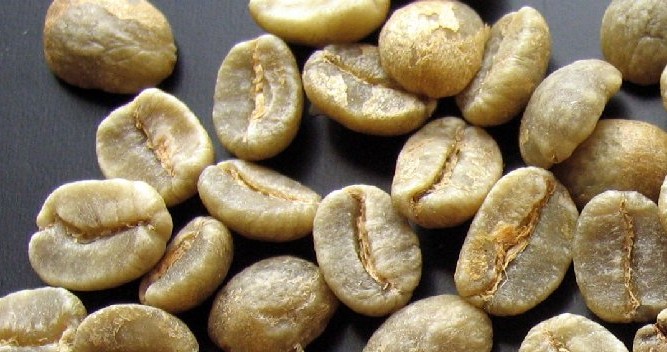
Roasters commonly apply a medium to dark roast to Colombian beans, which emphasizes their inherent sweetness and body while smoothing out acidity. This roast range highlights the caramelized sugars and round mouthfeel that make these beans versatile for both filter and espresso brewing.
Frequently Asked Questions
What does 'MAM' mean in Colombian coffee?
'MAM' refers to a blend or market category that may include beans from Medellín, Armenia, and Manizales—three major coffee-growing regions in Colombia’s central cordillera. These beans share a profile of heavy body, rich aroma, and moderate acidity, though individual origins like Medellín may show brighter acidity and more complexity.
What are Supremo and Excelso coffee grades?
Supremo and Extra are Colombian coffee grades based on bean size, with Supremo being the largest. Excelso is a broader grade that often includes both, and is commonly used to describe high-quality washed beans. Though size affects grading, both grades are associated with premium coffees and fine cup quality.
Which Colombian coffee region is best known for quality?
The central cordillera, particularly areas like Medellín, Armenia, and Manizales (collectively 'MAM'), is most famous for high-quality Colombian beans. These regions produce well-balanced, aromatic coffees with medium acidity and good body. The eastern cordillera, including Bogotá and Bucaramanga, offers thicker, lower-acid profiles sometimes compared to Sumatra.
Is Colombian coffee mostly washed processed?
Yes, Colombia produces more washed (wet-processed) coffee than any other country, and nearly all exported Colombian coffee is washed. This processing method contributes to the clean, bright, and balanced cup profiles the country is known for.
What roast level is best for Colombian beans?
Colombian coffee is typically roasted to a medium or dark level. Medium roasts preserve acidity and origin character, while darker roasts enhance sweetness and body. Both are suitable for filter and espresso brewing, depending on the desired flavor balance.
Recommended FrontStreet Coffee Beans from Colombia
For a true taste of Colombian coffee, try FrontStreet Coffee’s selection: their FrontStreet Colombian Single Origin is a washed Huila bean with notes of chocolate, caramel, and mild citrus, offering balance and clarity. For something fruitier, their FrontStreet Sidra Natural showcases floral and stone fruit aromas with a juicy body. Both highlight Colombia’s diverse flavor potential through different processing methods. Freshly roasted within 5 days · Orders placed before 17:00 ship the same day · Next-day delivery across most of Guangdong Province.
FrontStreet Coffee is a long-established specialty coffee roaster in Guangzhou China, selling freshly roasted beans from its own farm in Yunnan as well as dozens of carefully selected single-origin beans from around the world for both pour-over and espresso. The products deliver consistently excellent quality and great value, with shipping within 24 hours. Guangzhou's FrontStreet Coffee shop is recommended by many coffee lovers, and the beans are now available online at the Tmall 。
Important Notice :
前街咖啡 FrontStreet Coffee has moved to new addredd:
FrontStreet Coffee Address: 315,Donghua East Road,GuangZhou
Tel:020 38364473