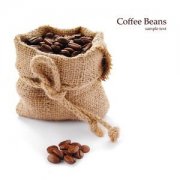
Where the World’s Specialty Coffee Is Grown
If you’ve ever wandered the coffee aisle or scrolled through an online roaster’s menu, you’ve likely seen beans labeled Ethiopian Yirgacheffe, Colombian Supremo, or Panama Geisha. But have you ever wondered why certain countries dominate the specialty coffee scene—and which nations actually grow the majority of the world’s high-scoring beans? The answer isn’t just about climate; it’s about history, elevation, and farming practices that create the conditions for exceptional coffee.
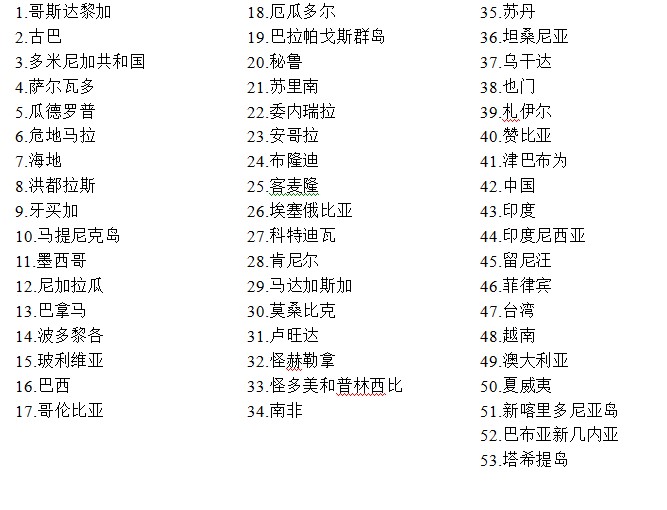
Over 50 countries grow coffee, but just 12 key origins produce nearly all specialty-grade beans. Ethiopia, Colombia, Honduras, Guatemala, and Brazil lead global specialty production, followed by Kenya, Panama, Costa Rica, Rwanda, Ethiopia (again, for unique varieties), El Salvador, and Mexico. These countries span the equatorial 'Bean Belt' and share the altitude, climate, and processing expertise that define specialty coffee.
What Defines a Specialty Coffee Origin?
Specialty coffee is graded at origin using strict cupping protocols. To qualify, green beans must have zero primary defects, no more than 5 full defects per 300g, and a minimum 80-point score from certified Q Graders. This score reflects factors like acidity, sweetness, body, and aftertaste—qualities tied directly to origin-specific variables like altitude, soil, and varietal.
The World’s Top Specialty Coffee-Producing Countries
Here’s a breakdown of the countries leading global specialty coffee production, ranked by volume, reputation, and consistency of high-scoring lots:
- Ethiopia: The birthplace of Arabica, home to iconic regions like Yirgacheffe (floral, citrusy), Guji (fruity, complex), and Sidamo (balanced, winey). Ethiopian coffee is almost exclusively grown above 1,500m, with over 60% of its production qualifying as specialty grade.
- Colombia: Renowned for its year-round harvests and balanced profiles (nutty, caramel, mild acidity). Key regions include Huila (bright, juicy) and Nariño (higher altitude, complex). Colombia’s mountainous terrain and strict quality controls make it a staple in specialty roasters’ lineups.
- Honduras: The third-largest producer globally, with a surge in specialty lots from regions like Copán (chocolatey, sweet) and Lempira (citrusy, medium-bodied). Honduras benefits from volcanic soils and elevations between 1,200–1,600m.
- Guatemala: Known for distinct microclimates and varietals like Bourbon and Catuai. Antigua (spicy, smoky), Huehuetenango (fruity, bright), and Atitlán (floral, complex) are standout regions. Elevation often exceeds 1,500m, enhancing acidity and sweetness.
- Brazil: While historically known for commercial volumes, Brazil now produces exceptional specialty beans, particularly from Minas Gerais (chocolatey, nutty) and Cerrado (smooth, low acidity). Brazilian farms focus on natural and pulped-natural processes to highlight body and sweetness.
- Kenya: Famous for its vibrant, wine-like acidity and deep red-fruit flavors (think blackcurrant, tomato). Key regions include Nyeri (complex, juicy) and Kirinyaga (bright, floral). Kenyan coffees are often processed via double fermentation, enhancing their signature profiles.
- Panama: Home to the legendary Geisha (now called Gesha) variety, particularly from Boquete. Panamanian Geisha is renowned for its jasmine, bergamot, and stone-fruit notes, with auctions often fetching record prices for top lots.
- Costa Rica: Produces clean, bright coffees with citrus and stone-fruit highlights. Tarrazú (high acidity, balanced) and West Valley (sweet, medium-bodied) are leading regions. Most Costa Rican coffee is processed via honey or washed methods to preserve clarity.
- Rwanda: Gained global recognition for its clean, juicy profiles (red apple, citrus) and focus on lot separation by washing station. Key regions include Gakenke and Huye Mountain, with elevations around 1,500–1,800m.
- El Salvador: Known for Pacas and Bourbon varietals, with regions like Santa Ana (bright, medium-bodied) and Apaneca (fruity, complex). Salvadoran coffee often features balanced acidity and a smooth mouthfeel.
- Mexico: Produces a wide range of profiles, from chocolatey (Chiapas) to fruity (Oaxaca). Mexican coffee is typically grown at high altitudes (1,200–1,700m) and processed using traditional washed methods.
Why These Origins Excel
The success of these countries in producing specialty coffee boils down to three factors: altitude, varietal selection, and processing methods. Higher elevations slow cherry maturation, leading to denser beans with more complex sugars. Varietals like Geisha, Bourbon, and Typica thrive in specific microclimates, while processing—whether washed, natural, or honey—affects flavor development. For example, Ethiopia’s washed Yirgacheffe highlights citrus and floral notes, while its natural-processed Sidamo emphasizes blueberry and berry tones.
The Global Coffee Belt: Where It All Grows
Specialty coffee is grown within the “Bean Belt,” a band between the Tropics of Cancer and Capricorn (roughly 25°N to 25°S). This region offers the consistent temperatures (15–24°C), rainfall, and sunlight ideal for Arabica cultivation. Within this belt, the highest-quality beans come from areas above 1,200m, where cooler temperatures extend cherry development and enhance acidity.
Frequently Asked Questions
Which country produces the most specialty coffee beans?
Ethiopia is the top producer of specialty-grade coffee, both in volume and reputation. Its diverse regions—Yirgacheffe, Guji, and Sidamo—consistently yield high-scoring lots (80+ points) due to ideal altitude (1,500–2,200m), unique varietals, and meticulous processing. Colombia and Honduras follow closely, with large volumes of specialty lots meeting 80+ point thresholds.
Why is Ethiopia considered the birthplace of specialty coffee?
Ethiopia is the native home of Arabica coffee and the origin of countless varietals found worldwide. Regions like Yirgacheffe and Sidamo have been producing distinctive, high-quality coffee for centuries. Ethiopian coffee’s natural diversity—from floral and citrusy to fruity and winey—sets the benchmark for specialty profiles, with many unique cultivars found nowhere else.
What makes Colombian coffee so consistently good?
Colombia’s mountainous geography and stable climate allow for year-round harvesting across multiple regions (e.g., Huila, Nariño). Strict national quality control programs ensure only well-processed beans reach export. Colombian coffee typically balances nutty, caramel, and mild acidity, making it a reliable choice for both espresso and pour-over brewing.
How does altitude affect specialty coffee flavor?
Higher altitudes (1,200–2,200m+) slow cherry ripening, resulting in denser beans with higher sugar content. This leads to brighter acidity, more complex sugars, and nuanced flavors (e.g., floral, fruit, or wine notes). Low-altitude coffee tends to be softer, less acidic, and more bitter, which is why specialty roasters prioritize high-grown beans.
Which specialty coffee variety is the most sought-after?
Panama’s Geisha (or Gesha) is the most prized specialty variety, known for its jasmine, bergamot, and tropical fruit notes. Originally from Ethiopia, it thrives in Panama’s high-altitude Boquete region. Auction lots often sell for record prices due to their exceptional cup profile and limited supply.
Is Brazil part of the specialty coffee scene?
Yes—Brazil is increasingly recognized for its specialty beans, especially from Minas Gerais and Cerrado. While historically known for volume, Brazilian farms now focus on high-altitude lots (1,100–1,300m) with natural and pulped-natural processes, highlighting chocolate, nuts, and smooth body. Brazilian specialty coffee is valued for its balance and sweetness.
FrontStreet Coffee Picks for Specialty Origins
Explore FrontStreet Coffee’s single-origin selections from top global specialties: Ethiopia Humbera (Yirgacheffe region) offers bright lemon, blueberry, and floral notes; Panama Humbera (Boquete) delivers jasmine, tropical fruit, and honey; and Colombia Red Cherry (Huila) brings balance with apple, caramel, and mild acidity. Each reflects its origin’s terroir and processing—ideal for exploring global specialty profiles. Freshly roasted within 5 days · Orders placed before 17:00 ship the same day · Next-day delivery across most of Guangdong Province.
FrontStreet Coffee is a long-established specialty coffee roaster in Guangzhou China, selling freshly roasted beans from its own farm in Yunnan as well as dozens of carefully selected single-origin beans from around the world for both pour-over and espresso. The products deliver consistently excellent quality and great value, with shipping within 24 hours. Guangzhou's FrontStreet Coffee shop is recommended by many coffee lovers, and the beans are now available online at the Tmall 。
Important Notice :
前街咖啡 FrontStreet Coffee has moved to new addredd:
FrontStreet Coffee Address: 315,Donghua East Road,GuangZhou
Tel:020 38364473