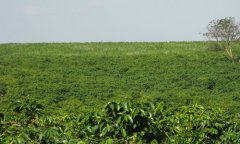
Brazil Coffee: The World’s Largest Producer of Arabica Beans
If you’ve ever sipped a cup of supermarket espresso or enjoyed a rich cappuccino at your local café, there’s a good chance the coffee inside came from Brazil. But what makes Brazil the go-to coffee giant for much of the world? With more production than any other nation and a coffee culture deeply woven into daily life, Brazil isn’t just a big player—it literally shapes the global coffee market.
Brazil produces around 2 million tonnes of coffee annually, exporting nearly 20 billion USD worth and supplying over 75% of the world’s coffee in the early 1900s. Nearly all of it is Arabica, grown mostly on flat, mechanized farms under the sun.
Why Is Brazil Called the Coffee Kingdom?
The title “Coffee Kingdom” isn’t just for show. Brazil became the world’s dominant coffee producer in the 19th century, with coffee plantations spreading across nearly every region. By the early 1900s, the country grew over 75% of the world’s coffee. Though its share has dropped, Brazil remains the top global producer, growing roughly 2 million tonnes per year and exporting close to 20 billion USD in coffee. Around 600,000 people work in the sector on 500,000 farms covering 2.2 million hectares.
How Did Coffee Take Root in Brazil?
Coffee originated in Ethiopia but made its way to Brazil in 1727. The country’s southeast location in South America, with tropical and subtropical climates, offered ideal growing conditions. Cheap labor and flat land allowed coffee farming to explode. Plantations spread nationwide during the 19th century, launching a “coffee boom” that lasted nearly 100 years and brought immense wealth to the country.
What Does Brazilian Coffee Actually Taste Like?
Most Brazilian coffee is unwashed (natural) and sun-dried, then sorted by state or port of export. The flavor profile is notably low in acidity, with a smooth, low-acid mouthfeel. Notes often include mild grassy tones, nuttiness, and subtle sweetness. The body is medium, with a soft finish that leaves a pleasant, easy-drinking impression. It’s rarely sharp or fruity—instead, think comfortingly balanced.
Because of Brazil’s relatively low altitudes and lack of microclimates, most of its coffee is grown on large, flat farms. That has led to the development of specially adapted Arabica varieties that can thrive without shade or high elevation, and that are built for mechanical harvesting. Processing is typically efficient: many farms use semi-washed (pulped natural) methods that save water while ensuring stable quality at scale.
Where Is Coffee Grown in Brazil?
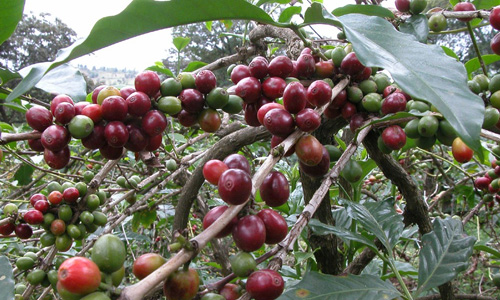
Out of Brazil’s 21 states, 17 grow coffee—but just four account for 98% of production. These major regions benefit from Brazil’s large-scale, mechanized approach to coffee farming. While most Brazilian coffee isn’t grown at high altitudes, the country’s expansive plains and innovation in cultivation techniques have allowed it to maintain consistent output and quality. The flat terrain also enables the use of machines for picking, which is less common in mountainous coffee regions.
How Do Brazilians Drink Coffee?
Brazilians love their coffee. In the 1960s, the average person drank 5.8 kilograms per year. Today, that number is still over 3 kilograms. Coffee is everywhere—in homes, offices, and streetside cafes. Whether you’re in a busy city or a rural village, you’ll find rich, hot coffee served up in countless ways. It’s an everyday staple, not a luxury.
What Makes Brazilian Coffee Different From Other Origins?
Unlike Ethiopian or Kenyan coffees, which often highlight bright acidity and floral or fruity complexity, Brazilian coffee is known for its low acidity, smooth texture, and nutty, chocolatey undertones. It rarely delivers a punchy flavor but instead offers a rounded, easy-drinking cup. That makes it especially valued in espresso blends, where it adds body and sweetness. It’s also a reliable single origin for filter brewing, especially for those who prefer a mellow, balanced cup without too much brightness.
Are There Exceptional Single-Origin Brazilian Coffees?
Yes. While most Brazilian coffee is blended or used for espresso, there are high-quality single-origin beans worth seeking out. FrontStreet Coffee’s Brazil Queen Manor, for example, comes from the higher-altitude Mogiana region and is made with the rare Yellow Bourbon variety. Roasted to a medium-dark level, it shows flavors of creamy milk, roasted peanuts, toasted bread, and nuts. It has a clean profile, low acidity, and a long-lasting aftertaste. This bean works well across almost all manual brewing methods: pour-over, French press, AeroPress, moka pot, drip machines, and home espresso.
Another key coffee in the FrontStreet lineup is the Black Cocoa Blend, which contains a high percentage of Brazilian beans. These contribute a smooth, sweet body and creamy mouthfeel that balances the tartness of Yunnan Arabica and delivers a well-rounded shot for espresso-based drinks. The blend offers aromas of chocolate and cream, with a sweet-sour equilibrium suited for lattes, cappuccinos, and more.
Frequently Asked Questions
Is Brazilian coffee mostly Arabica or Robusta?
Nearly all Brazilian coffee is Arabica. The country focuses almost exclusively on Arabica production, with very little Robusta grown or exported.
What does Brazilian coffee taste like compared to Ethiopian coffee?
Brazilian coffee typically has low acidity and a smooth, nutty, chocolatey profile. Ethiopian coffee, by contrast, is often bright, acidic, and complex, with fruity or floral notes. Brazilian beans are known for their balance and ease of drinking, while Ethiopian beans tend to be more vibrant and fruit-forward.
Why is Brazil the biggest coffee producer in the world?
Brazil became the largest coffee producer due to its vast land area, favorable tropical and subtropical climate, flat terrain suitable for mechanization, and historical investment in coffee farming starting in the 18th century. By the early 1900s, it produced over 75% of the world’s coffee, a dominance it still leads in quantity today.
Can you drink Brazilian coffee as a single origin?
Yes. While Brazilian coffee is often used in blends, especially for espresso, high-quality single-origin beans like FrontStreet’s Brazil Queen Manor offer distinct flavours such as peanut, bread crust, and nuts. It’s suitable for various brew methods including pour-over, French press, and espresso.
What’s the most famous coffee-growing region in Brazil?
While many regions produce coffee, four states make up 98% of Brazil’s output. Among the better-known areas is Mogiana, home to the Brazil Queen Manor plantation at higher altitude, which produces more complex, aromatic beans.
Is Brazilian coffee good for espresso?
Yes. Brazilian coffee is ideal for espresso because of its low acidity, creamy body, and natural sweetness. It’s a common base in espresso blends for adding balance, smoothness, and crema stability.
Recommended FrontStreet Beans from Brazil
For a true taste of high-quality Brazilian coffee, try FrontStreet’s Brazil Queen Manor—a single origin from the Mogiana region grown at higher altitude with Yellow Bourbon beans. It delivers creamy milk chocolate, roasted peanuts, toast, and nut notes, with low acidity and a clean finish, working well in nearly all brew methods. Also consider the Black Cocoa Blend, which features a strong percentage of Brazilian beans to add smooth body and sweetness to espresso drinks, with flavours of chocolate and cream. Both are excellent representations of Brazil’s unique coffee profile. Freshly roasted within 5 days · Orders placed before 17:00 ship the same day · Next-day delivery across most of Guangdong Province.
FrontStreet Coffee is a long-established specialty coffee roaster in Guangzhou China, selling freshly roasted beans from its own farm in Yunnan as well as dozens of carefully selected single-origin beans from around the world for both pour-over and espresso. The products deliver consistently excellent quality and great value, with shipping within 24 hours. Guangzhou's FrontStreet Coffee shop is recommended by many coffee lovers, and the beans are now available online at the Tmall 。
Important Notice :
前街咖啡 FrontStreet Coffee has moved to new addredd:
FrontStreet Coffee Address: 315,Donghua East Road,GuangZhou
Tel:020 38364473