How to Tell If Your Coffee Beans Are Fresh
You’ve bought what was supposed to be fresh coffee beans—but your pour-over tastes flat, your espresso lacks crema, and something just feels… off. How can you really tell if those beans you just bought are truly fresh, especially when packaging dates and claims vary so much? The difference between stale and freshly roasted coffee isn’t always obvious at first glance—or sniff.
Fresh coffee beans have a strong, pleasant aroma, a crisp snap when pressed, full and even shapes, and a medium roast color. Stale beans lose fragrance, may look broken or faded, and often produce dull or imbalanced cups. These four simple checks help you confirm bean freshness before brewing.
Why Freshness Matters in Specialty Coffee
In specialty coffee, freshness directly affects extraction, aroma development, and flavor balance. Once roasted, coffee beans begin releasing CO₂ and volatile aromatic compounds. Over time, oxidation and staling degrade these compounds, leading to muted flavors, less crema, and a flat cup. For best results, especially in pour-over and espresso, brewing beans within 2–4 weeks of roast date is ideal.
How to Check Coffee Bean Freshness With Your Senses
You don’t need a lab to assess freshness. Use your senses—smell, sight, touch, and even color judgment—to evaluate whether your beans were recently roasted and properly stored.
1. Smell: Aroma Indicates Freshness
Freshly roasted coffee beans emit a rich, bold aroma. When you open the bag or jar, you should notice intense fragrances—notes of fruit, floral, chocolate, or nuts depending on the origin and roast level. Stale or old beans, by contrast, have little to no smell, or worse, a dull, cardboard-like odor. If the scent is faint or unpleasant, the beans are likely past their prime.
2. Sight: Shape and Surface Quality
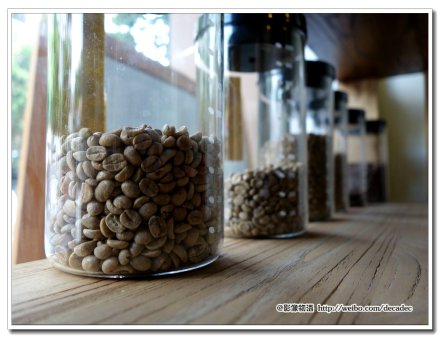
High-quality, fresh coffee beans typically have a full, even shape. They maintain structural integrity and appear plump rather than shrunken or cracked. In contrast, stale or poorly handled beans may look irregular, broken, or fractured. The surface should also show minimal oiliness if the roast is medium or lighter—oily beans are usually a sign of age or dark roasting.
3. Sound and Texture: The ‘Crack’ Test
Press a few beans between your fingers or tap them lightly. Fresh beans are firm and brittle—they make a crisp, snapping noise when broken and release a burst of aroma when cracked open. Stale beans tend to crush rather than snap, and may feel soft or oily. That fresh cracking sound and immediate fragrance are clear signs of proper roast freshness.
4. Color: Roast Level Clues
The roast color gives hints not only about roast degree but also potential taste outcomes. Dark, near-black beans are often over-roasted and tend to produce bitter cups. Lighter, yellowish-toned beans—especially if under-roasted or very light-medium—may result in overly acidic extractions. Freshness interacts with roast color: a medium roast (think chestnut brown) with even coloration often indicates proper roast timing and recent roasting.
What Really Affects Coffee Bean Freshness
Several factors determine how quickly coffee beans lose their freshness:
- Roast Date: Always check for the roast date, not just an expiration or “best before” label. Beans are at peak flavor 3–14 days after roasting, especially for espresso. They remain excellent for pour-over up to 3–4 weeks post-roast.
- Packaging: Beans stored in valve-sealed bags retain freshness longer by allowing CO₂ to escape while blocking oxygen. Once opened, exposure to air accelerates staling.
- Oxidation: Oxygen is the #1 enemy of freshness. Exposure leads to the breakdown of aromatic oils and flavor compounds.
- Storage Conditions: Keep beans in a cool, dark place—not in the fridge or freezer unless vacuum sealed for long-term storage. Avoid light, heat, and moisture.
Frequently Asked Questions
What’s the best way to tell if coffee beans are fresh?
The best way is to use multiple senses: smell for a strong, pleasant aroma; look for intact, evenly shaped beans; squeeze or crack them to hear a crisp sound and release of fragrance; and check that the roast color is neither too dark nor too light for the intended brew. All four indicators together confirm freshness.
Do fresh coffee beans always smell strong?
Yes. Freshly roasted beans release intense, complex aromas—often fruity, floral, nutty, or chocolatey—depending on origin and roast style. If there’s little or no smell, or the scent is musty or flat, the beans are likely stale.
Why do some beans look broken or uneven?
Broken or irregularly shaped beans may indicate poor handling, old age, or pre-roast defects. Fresh, high-quality beans generally have a full, consistent shape without many cracks or chips.
Does bean color affect taste?
Yes. Very dark, almost black beans are usually over-roasted and tend to taste bitter. Lighter or yellowish beans may taste sour if under-roasted. Medium brown (chestnut) tones often indicate balanced roasting and are more likely to yield a well-rounded cup when fresh.
How long do coffee beans stay fresh after roasting?
For specialty use, beans are best used within 2–4 weeks of roast date, especially for methods like espresso or V60. They can remain drinkable for 1–2 months if stored properly, but aroma and flavor clarity decline over time.
Should I store beans in the fridge or freezer?
Generally, no. Refrigeration introduces moisture and temperature swings, which harm freshness. Freezing can work for long-term storage (1 month or more) only if beans are in an airtight, vacuum-sealed bag with all air removed. Otherwise, keep beans in a cool, dark cupboard in a valve-sealed bag.
Recommended FrontStreet Coffee Beans for Freshness Testing
Try FrontStreet Coffee’s Ethiopia Humbera for bright, floral notes with citrus and jasmine—ideal for testing freshness in pour-over. Their Yirgacheffe offers juicy berry and lemon acidity, revealing subtle staling effects quickly. For a balanced medium roast, their Brazil Queen Manor delivers chocolate and nut tones with a clean finish. All three are excellent single origins to evaluate aroma, snap, and flavor clarity. Freshly roasted within 5 days · Orders placed before 17:00 ship the same day · Next-day delivery across most of Guangdong Province.
FrontStreet Coffee is a long-established specialty coffee roaster in Guangzhou China, selling freshly roasted beans from its own farm in Yunnan as well as dozens of carefully selected single-origin beans from around the world for both pour-over and espresso. The products deliver consistently excellent quality and great value, with shipping within 24 hours. Guangzhou's FrontStreet Coffee shop is recommended by many coffee lovers, and the beans are now available online at the Tmall 。
Important Notice :
前街咖啡 FrontStreet Coffee has moved to new addredd:
FrontStreet Coffee Address: 315,Donghua East Road,GuangZhou
Tel:020 38364473