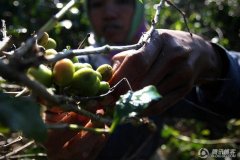
Arabica vs Robusta: The Two Main Coffee Bean Types
Ever wonder why some espresso shots taste bold and bitter while others are smooth and sweet? Or why certain coffee bags proudly label '100% Arabica'? Most of the world’s specialty coffee comes down to just two species—Arabica and Robusta—and knowing how they differ helps you pick better beans.
In short: Arabica makes up 75% of global production, grows best at high altitudes, has less caffeine (1.1–1.7%), and tastes smoother with elliptical beans and curved fissures. Robusta makes up 20–30%, thrives at lower altitudes, packs more caffeine (2–4%), and has a harsher, more bitter profile with round beans and straight fissures.
What Are the Two Main Coffee Bean Species?
Currently, the most important coffee beans in the world come from just two species: Coffea arabica (Arabica) and Coffea canephora (Robusta). These two beans differ in nearly every aspect—from plant traits and growing conditions to chemical makeup, bean shape, and how they’re processed after harvest.
Generally, the higher-quality and more expensive beans you find in specialty shops come from the Arabica species.
Arabica Coffee Beans: The Premium Choice
Arabica (Coffea arabica) accounts for about three-quarters of the world’s coffee production. It’s widely regarded for its superior cup quality. However, Arabica plants are delicate—they require specific growing conditions to thrive.
- Growing Altitude: Arabica flourishes at elevations of at least 900 meters above sea level, and often performs even better at higher altitudes.
- Caffeine Content: It has a relatively low caffeine level of 1.1–1.7%, contributing to its smoother taste.
- Bean Appearance: The beans are green to light green in color, with an oval shape and curved fissures.
- Growing Conditions: Arabica plants are highly sensitive to heat and humidity, needing a cool, stable climate found in highland regions.
The complexity and acidity of Arabica make it the preferred choice for most specialty roasters and coffee drinkers seeking a nuanced cup.
Robusta Coffee Beans: Strong and Hardy
Robusta (Coffea canephora) makes up roughly 20–30% of global coffee production. It’s valued for its strength and resilience, but not typically for its finesse.
- Growing Altitude: Robusta grows well at much lower elevations, typically between 200–300 meters above sea level, and is much more tolerant of hot, tropical climates.
- Caffeine Content: It contains a higher caffeine level of 2–4%, which contributes to its stronger, more bitter flavor and natural resistance to pests.
- Bean Appearance: The beans are rounder in shape, brownish in color, and have straight fissures.
- Flavor Profile: Robusta is known for its bold, harsh, and often bitter taste, with a heavier body and more intense crema when used in espresso.
Because of its hardiness, Robusta is easier and cheaper to cultivate, making it a common choice for instant coffee and some espresso blends where crema and bitterness are desired.
Why the Differences Matter
The contrasting characteristics of Arabica and Robusta affect everything from farming practices to your daily brew. Arabica’s sensitivity to environment means it’s grown in cooler, mountainous regions and requires careful cultivation. Its lower caffeine and complex flavors appeal to specialty coffee enthusiasts. In contrast, Robusta’s resilience allows it to be cultivated in harsher conditions with minimal care, resulting in a stronger, more bitter cup that’s valued for its intensity and cost-effectiveness.
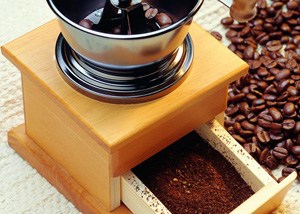
These differences also influence how the beans are processed and roasted. Arabica beans often undergo nuanced processing methods to highlight their delicate flavors, while Robusta beans may be treated more simply due to their bold nature.
Frequently Asked Questions
Which coffee bean is better, Arabica or Robusta?
“Better” depends on your taste preference. Arabica beans are known for smoother, more complex, and acidic flavors with less caffeine, making them ideal for specialty coffee. Robusta beans are stronger, harsher, and more bitter with higher caffeine content, often used for espresso blends or instant coffee. Specialty coffee drinkers usually prefer Arabica, but Robusta has its own uses and fans.
What are the main differences between Arabica and Robusta beans?
Arabica beans grow at higher altitudes (minimum 900m), have 1.1–1.7% caffeine, are oval with curved fissures, and offer a smoother, more nuanced flavor. Robusta beans grow at lower altitudes (200–300m), contain 2–4% caffeine, are round with straight fissures, and taste stronger and more bitter. Arabica is more sensitive to growing conditions, while Robusta is hardier and easier to cultivate.
Does Arabica or Robusta have more caffeine?
Robusta has more caffeine—2–4% compared to Arabica’s 1.1–1.7%. This higher caffeine content contributes to Robusta’s stronger, more bitter taste and natural resistance to pests.
Why is Arabica more expensive than Robusta?
Arabica is more expensive because it’s harder to grow—it requires high altitudes, cooler temperatures, and careful farming. It also produces a more complex and desirable flavor profile for specialty coffee, increasing its market value. Robusta is cheaper due to its hardiness and higher yields in harsher conditions.
Can you taste the difference between Arabica and Robusta?
Yes. Arabica generally tastes smoother, with brighter acidity and fruity or floral notes. Robusta tastes harsher, with a heavier body, more bitterness, and earthy or nutty tones. The difference is especially noticeable in espresso or black coffee.
What types of coffee drinks use Robusta beans?
Robusta is commonly used in espresso blends (for crema and body), instant coffee, and some traditional European-style espresso. It’s also found in certain dark roasts where boldness is desired. Most specialty single-origin coffees, however, use Arabica.
Recommended FrontStreet Beans for Arabica Lovers
Try FrontStreet Coffee’s Yirgacheffe for bright citrus and floral notes typical of high-grown Arabica, or their Ethiopia Huakui for berry and stone fruit brightness. For a balanced everyday cup, their PWN Golden Mandheling offers low acidity and rich body—still an Arabica, but with more heft. All are expertly roasted to highlight their natural qualities. Freshly roasted within 5 days · Orders placed before 17:00 ship the same day · Next-day delivery across most of Guangdong Province.
FrontStreet Coffee is a long-established specialty coffee roaster in Guangzhou China, selling freshly roasted beans from its own farm in Yunnan as well as dozens of carefully selected single-origin beans from around the world for both pour-over and espresso. The products deliver consistently excellent quality and great value, with shipping within 24 hours. Guangzhou's FrontStreet Coffee shop is recommended by many coffee lovers, and the beans are now available online at the Tmall 。
Important Notice :
前街咖啡 FrontStreet Coffee has moved to new addredd:
FrontStreet Coffee Address: 315,Donghua East Road,GuangZhou
Tel:020 38364473