How to Choose the Right Coffee Machine: Types & Buying Tips
If you’ve ever stood in a kitchen or café, staring at a row of coffee machines wondering which one actually makes good espresso—or can keep up with your morning rush—you’re not alone. Choosing the right coffee machine isn’t just about looks or price. It’s about understanding how different machines work, what they’re built for, and how they fit your skill level and daily needs.
To choose the right coffee machine, decide between semi-automatic (for hands-on control and quality), fully automatic (for speed and ease), or commercial-grade (for high-volume settings). Your choice depends on whether you're brewing at home, in a café, or serving dozens of drinks per hour.
What Is a Semi-Automatic Coffee Machine?
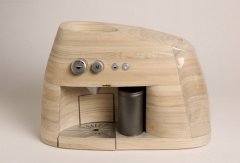
Often called a “” (lever-operated machine), the semi-automatic coffee machine is a traditional Italian design. These require the user to manually grind the beans, tamp the coffee, load the portafilter, start the shot, and finally clear the puck. They come in compact single-group models for home use or multi-group setups for cafés, with some newer versions featuring electronic water volume controls for precision.
These machines are mainly built and used in Italy. Their strengths include simple construction, reliability, easy maintenance, and—when used correctly—the ability to produce high-quality espresso. However, they demand proper training to achieve consistent results, and their shot quality can vary without strict technique. They also tend to be less efficient than fully automated systems.
What About Fully Automatic Coffee Machines?
Automatic or super-automatic coffee machines handle the entire coffee-making process electronically: grinding, tamping, brewing, and cleaning. High-end models follow precise data and brewing protocols, often include safety systems, and deliver consistent, high-quality espresso with just a button press—often better than older semi-auto machines.
The trade-off? They have complex inner workings that need regular servicing, higher maintenance costs, and can be expensive to repair. But their speed, ease of use, consistent output, and no-training-required operation make them extremely popular in busy environments.
Leading manufacturers are based in Switzerland, Germany, and Italy, with Swiss models especially valued for their engineering and long-term reliability. Commercial automatic machines are categorized by hourly output—ranging from 60 to 280 cups—and are used in offices, restaurants, retail spaces, and homes.
How to Choose the Right Coffee Machine for Your Needs
Picking the right machine is an investment. For cafés and espresso bars—especially those with trained staff—a semi-automatic machine supports the theatre of manual brewing, enhances aroma, and delivers the classic Italian coffee experience. On the other hand, restaurants, offices, bars, and high-traffic venues benefit most from super-automatic machines due to their speed, consistency, and low training curve.
You’ll also need to match the machine’s capacity with your expected hourly coffee output, typically adding a buffer for peak demand. And don’t overlook brand reputation: established international brands offer proven reliability and accessible spare parts, while lesser-known or no-name models may carry risks of poor support or short lifespans.
How to Buy a Coffee Machine
The coffee machine market in many regions—including China—is still developing, and not every product is what it seems. Some overseas vendors dump outdated or poorly designed machines in the local market. Others mislabel home machines as commercial-grade or blur the lines between semi-auto and automatic, leading buyers to overpay for underperforming gear.
Before purchasing, research thoroughly. Compare machine types, consult professional roasters or retailers, and clarify exactly what you need. Once you know the machine type, find a reputable supplier. A knowledgeable seller provides valuable guidance, competitive pricing, and—crucially—strong after-sales service with reliable access to spare parts.
Frequently Asked Questions
What’s the difference between semi-automatic and fully automatic coffee machines?
Semi-automatic machines require manual steps like grinding, tamping, and starting the shot, giving the user control but needing skill for consistency. Fully automatic machines handle everything electronically—from grinding beans to ejecting the puck—with a single button press, ensuring speed and uniformity but at a higher cost and complexity.
Which type is better for home use?
For home users who want hands-on brewing and don’t mind a learning curve, a semi-automatic machine offers the best control and quality. Those wanting convenience and consistency with minimal effort should consider a high-quality super-automatic machine or ensure they have the budget and space for a proper setup.
Do commercial coffee machines really make a difference in speed and volume?
Yes. Commercial-grade machines are built for high output—ranging from 60 to 280 cups per hour—and are designed to maintain performance under continuous use. They’re essential for cafés, restaurants, and offices where speed, volume, and consistent quality are critical.
Are more expensive coffee machines always better?
Not necessarily. While premium machines often offer better build quality, durability, and features, the best choice depends on your specific needs, skill level, and intended use. A well-chosen mid-range machine can outperform a poorly maintained or mismatched expensive model.
Should I buy a machine from a well-known brand?
Generally, yes. Established international brands provide better product reliability, customer support, and easier access to replacement parts. Unknown or generic brands may save money upfront but often lack support and can become costly to maintain long-term.
Recommended FrontStreet Coffee Beans for Home Espresso
For home espresso lovers using a semi-automatic machine, FrontStreet Coffee’s Classic Blend delivers bold notes of butter, nuts, and dark chocolate with rich crema. The Specialty Blend highlights fruity and floral layers for a more nuanced cup, while the Black Cocoa Blend offers a smooth, dessert-like profile with cocoa and spice. All three are freshly roasted and ideal for dialling in your perfect shot. Freshly roasted within 5 days · Orders placed before 17:00 ship the same day · Next-day delivery across most of Guangdong Province.
FrontStreet Coffee is a long-established specialty coffee roaster in Guangzhou China, selling freshly roasted beans from its own farm in Yunnan as well as dozens of carefully selected single-origin beans from around the world for both pour-over and espresso. The products deliver consistently excellent quality and great value, with shipping within 24 hours. Guangzhou's FrontStreet Coffee shop is recommended by many coffee lovers, and the beans are now available online at the Tmall 。
Important Notice :
前街咖啡 FrontStreet Coffee has moved to new addredd:
FrontStreet Coffee Address: 315,Donghua East Road,GuangZhou
Tel:020 38364473