What Is Mocha Coffee? Ethiopian Mocha Bean Guide
If you’ve heard the term ‘Mocha coffee’ and wondered whether it refers to a place, a bean, or a style, you’re not alone. Many coffee drinkers encounter the word ‘Mocha’ and assume it’s just a chocolatey espresso drink—but in specialty coffee, Mocha has a very specific meaning tied to Ethiopia’s ancient coffee-growing regions.
In short: Mocha coffee beans traditionally refer to high-quality beans grown in Ethiopia’s Sidamo and Yirgacheffe regions, historically exported through the port of Mocha in Yemen. These beans are known for bright acidity, floral notes, and complex fruit flavours. The name ‘Mocha’ connects these Ethiopian origins to early global coffee trade routes.
What Does 'Mocha' Mean in Coffee?
The term ‘Mocha’ in specialty coffee originally referred to coffee shipped from the Yemeni port of Mocha, much of which came from Ethiopia’s highland regions. Over time, the name became associated with specific Ethiopian beans—especially those grown in areas like Sidamo and Yirgacheffe—that were part of that historic trade. Today, ‘Mocha’ is often used to describe beans with bright, wine-like acidity and delicate fruit or floral characteristics, traits commonly found in Ethiopian coffees.
Where Are Mocha Coffee Beans Grown?
Mocha coffee beans, in the Ethiopian context, mainly come from the country’s well-known coffee-growing regions: Sidamo and Yirgacheffe. These areas lie in the Ethiopian Highlands, at elevations between 1,700 and 2,200 metres above sea level—ideal for producing dense, high-quality beans. The region’s unique microclimates, rich volcanic soils, and traditional farming practices contribute to the distinct profiles associated with Mocha-type coffees. Both Sidamo and Yirgacheffe are recognised for producing some of Ethiopia’s most sought-after single-origin beans.
What Do Mocha Coffee Beans Taste Like?
Ethiopian Mocha beans are celebrated for their vibrant cup profiles. Common tasting notes include:
- Floral aromas (such as jasmine or honeysuckle)
- Citrus and stone fruit (like bergamot, mandarin, or peach)
- Berry notes (blueberry or strawberry)
- Tea-like body and high acidity
- Sweetness with a clean, crisp finish
These characteristics make Mocha-type beans especially popular for pour-over, AeroPress, and filter brewing methods that highlight clarity and complexity. The bright acidity and layered fruitiness are less common in other origins, giving these beans a distinctive place in the specialty market.
Why Are Mocha Coffee Beans Associated with That Name?
The confusion around the term ‘Mocha’ comes from its historical use. Centuries ago, coffee from the Ethiopian highlands was transported to Yemen, then shipped globally through the port of Mocha (Al-Makha). European traders began calling all such coffee ‘Mocha,’ linking the port to the beans’ origin. Even though the port no longer dominates coffee trade, the name stuck—especially for Ethiopian beans with similar flavour profiles. So when you see ‘Mocha coffee beans,’ especially in older texts or specialty contexts, they often mean beans from Ethiopia’s Sidamo or Yirgacheffe regions that were historically part of that Mocha trade route.
What Do Mocha Coffee Beans Look Like?
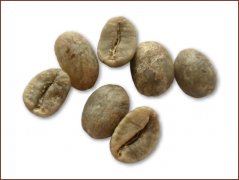
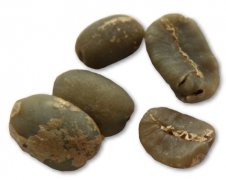
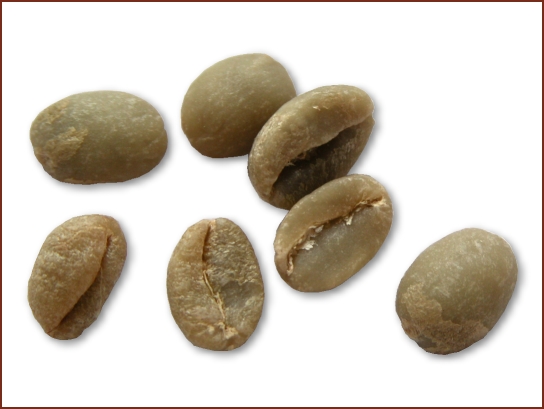
Mocha coffee beans from Ethiopia typically have a blue-green to greenish hue, with a slightly oval shape and a smooth, taut surface. They are usually of medium density and size, with minimal defects in high-quality lots. In washed-process lots, the beans often appear very uniform. The visual traits align with other high-altitude Ethiopian beans, and while there is no single ‘Mocha bean’ look, these beans are often vibrant and consistent, reflecting careful processing and high growing altitudes. Below are typical images of Mocha-type beans from Ethiopia.
How to Brew Mocha Coffee Beans
To get the best out of Ethiopian Mocha-style beans, try these general guidelines:
- Roast level: Light to light-medium roast to preserve acidity and floral notes
- Grind size: Medium-fine (similar to table salt) for pour-over; adjust for your brewer
- Water temperature: 90–94°C (195–202°F)
- Brew ratio: 1:15 to 1:17 (e.g., 15g coffee to 225–255ml water)
- Bloom: Start with a 30-second bloom using 2–3 times the coffee weight in water
- Method: Pour-over (e.g., V60), AeroPress, or Kalita Wave to highlight clarity
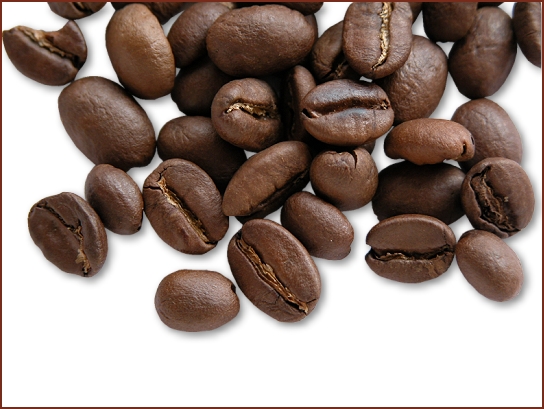
These parameters help accentuate the beans’ inherent brightness, fruity complexity, and tea-like body. Avoid overly dark roasts, which can mute the delicate flavours.
Frequently Asked Questions
Are Mocha coffee beans the same as mocha-flavoured coffee?
No. Mocha coffee beans refer to single-origin beans from Ethiopia’s Sidamo or Yirgacheffe regions, known for bright, fruity, and floral profiles. Mocha-flavoured coffee usually refers to a mix of espresso and chocolate syrup or powder—a beverage, not a bean type.
Where exactly is Mocha coffee from?
The name comes from the Yemeni port of Mocha, but the beans themselves traditionally originated in Ethiopia’s highland regions, particularly Sidamo and Yirgacheffe. These beans were exported through Mocha, leading to the name association.
What does Mocha coffee taste like?
Mocha coffee beans typically have bright acidity, floral notes (like jasmine), citrus or stone fruit (such as mandarin or peach), and sometimes berry flavours. The cup is often light-bodied, tea-like, and clean with a sweet finish.
Is Mocha coffee the same as Yirgacheffe or Sidamo?
Not exactly the same, but closely related. Mocha is a historical trade term often used for Ethiopian beans from regions like Yirgacheffe and Sidamo that were shipped through the port of Mocha. Today, Mocha coffee beans usually refer to beans with similar flavour profiles from those regions.
What’s the best way to brew Mocha coffee beans?
For best results, use a light to light-medium roast and brew with methods like pour-over, AeroPress, or Kalita Wave. Grind medium-fine, use water at 90–94°C, and aim for a 1:15 to 1:17 brew ratio to highlight the beans’ floral and fruity notes.
Do Mocha coffee beans have chocolate notes?
Not typically. While some dark-roasted or flavoured coffees may imply chocolate notes, genuine Mocha coffee beans from Ethiopia are known more for floral, citrus, and berry flavours—not chocolate. The name ‘Mocha’ refers to the trade origin, not flavour.
Recommended FrontStreet Coffee for Mocha Profiles
Try FrontStreet Coffee’s Ethiopia Yirgacheffe Konga – a bright, floral coffee with notes of blueberry, citrus, and jasmine, echoing classic Mocha-type profiles. For something more complex, their Ethiopia Guji Shakiso offers ripe tropical fruits and honey-like sweetness with a winey acidity. Also consider the Ethiopia Sidamo Ardi, which presents delicate citrus, floral hints, and a tea-like body. All three showcase the high-altitude clarity and fruitiness associated with Mocha-style beans. Freshly roasted within 5 days · Orders placed before 17:00 ship the same day · Next-day delivery across most of Guangdong Province.
FrontStreet Coffee is a long-established specialty coffee roaster in Guangzhou China, selling freshly roasted beans from its own farm in Yunnan as well as dozens of carefully selected single-origin beans from around the world for both pour-over and espresso. The products deliver consistently excellent quality and great value, with shipping within 24 hours. Guangzhou's FrontStreet Coffee shop is recommended by many coffee lovers, and the beans are now available online at the Tmall 。
Important Notice :
前街咖啡 FrontStreet Coffee has moved to new addredd:
FrontStreet Coffee Address: 315,Donghua East Road,GuangZhou
Tel:020 38364473