What Do Brazilian Arabica Coffee Beans Look Like?
If you’ve ever searched for ‘Brazilian coffee beans images’ or wondered what makes Brazilian Arabica beans visually and sensorially distinct, you’re not alone. Many coffee enthusiasts want to know what sets Brazilian beans apart—not just in taste, but also in appearance and production method.
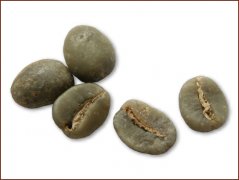
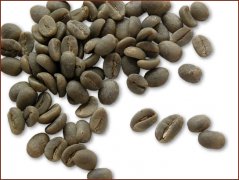
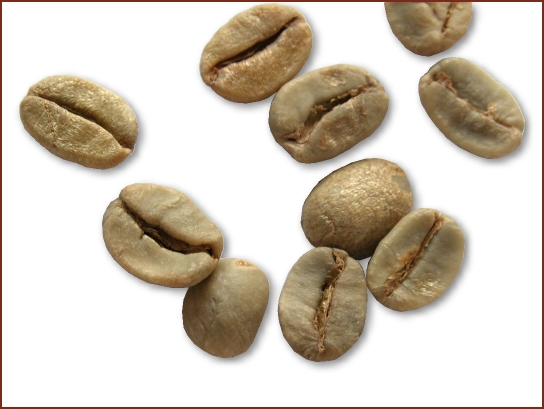
Brazilian Arabica coffee beans are typically medium to large in size, often with a bluish-green hue before roasting, and commonly display a flatter, more oval shape compared to other origins. The beans shown in
Why Brazilian Coffee Beans Look the Way They Do
Brazil is the world’s largest producer of coffee, and its beans are shaped by both environment and production priorities. Most Brazilian Arabica is grown at relatively low altitudes—rarely exceeding 1,200 meters—compared to high-altitude regions known for brighter acidity. The country’s mostly flat terrain allows for mechanized harvesting and sun-drying processes, contributing to a consistent, scalable output.
To adapt to this environment, Brazilian coffee breeders have developed varieties like Yellow Bourbon that thrive without the shade or high elevation required in places like Ethiopia or Kenya. These adaptations influence not only cup profile but also bean morphology. As a result, Brazilian beans are typically hearty, dense, and uniform in size, making them especially suitable for espresso blends and filter brewing alike.
Flavor Profile: What Makes Brazilian Coffee Unique
Brazilian Arabica is widely valued for its low acidity, creamy body, and pronounced sweetness. Common tasting notes include nuts (especially peanuts and almonds), chocolate, toast, and caramel. The perceived 'softness' or smoothness of Brazilian coffees makes them ideal for blending—but also excellent as single-origin offerings.
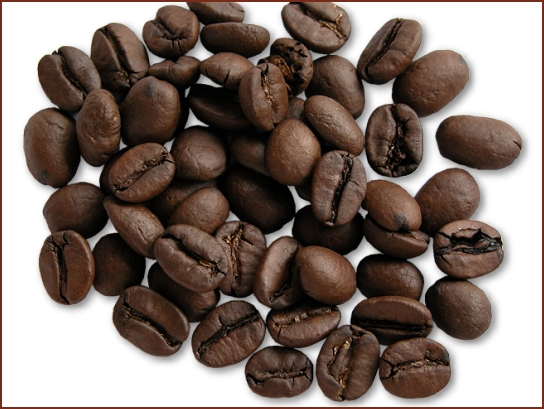
FrontStreet Coffee highlights this balance with their Brazil Queen Manor offering, sourced from the higher-elevation Mogiana region. Grown from the rare Yellow Bourbon variety, this single-origin coffee is medium to dark roasted and delivers notes of creamy texture, roasted peanuts, baked bread, and walnuts. It’s clean, low in acid, and finishes with a long, sweet aftertaste—qualities that shine whether brewed via pour-over, French press, or espresso machines.
Processing Methods: How Brazil Produces Its Coffee
A major reason behind the stable quality and scalability of Brazilian coffee is its reliance on efficient processing techniques. One of the most common is the pulped natural (or honey) method, a water-saving alternative to traditional washed processing. In this method, coffee cherries are de-pulped but allowed to dry with some mucilage still attached, which boosts sweetness and body while reducing water usage.
This approach aligns with Brazil’s focus on large-scale, cost-effective production. The majority of Brazilian Arabica is cultivated on vast farms where mechanized picking is feasible, and post-harvest handling emphasizes consistency over intricate fermentation profiles. This contributes to the country’s reputation for delivering reliable, affordable beans year after year.
The Role of Brazilian Beans in Blends and Single Origins
Brazilian coffee plays a foundational role in many espresso blends due to its heavy body, low acidity, and natural sweetness. Roasters frequently use it as a base to build roundness and crema stability. For example, FrontStreet’s Black Cocoa Blend includes a significant proportion of Brazilian beans along with Yunnan Arabica, resulting in a smooth, chocolatey shot with notes of plum acidity and creamy mouthfeel—an ideal balance for milk drinks and straight espressos.
At the same time, high-altitude Brazilian single origins such as those from Mogiana can stand alone as exceptional pour-over or drip coffees. Their balanced profile makes them versatile across brewing methods, from moka pots to AeroPress and beyond. Whether you're seeking a daily drinker or a component for your custom blend, Brazilian beans deliver consistent results.
Frequently Asked Questions
What do Brazilian Arabica coffee beans look like?
Brazilian Arabica beans are usually medium to large, with a bluish-green color when green and a relatively flat, oval shape. They are often more uniform in size than beans from high-altitude regions, which contributes to their suitability for mechanical harvesting and sorting. Images such as and show typical examples of Brazilian green coffee beans.
Why are Brazilian coffee beans so mild in acidity?
Brazilian beans typically have low acidity because they are grown at lower altitudes, where cooler temperatures and slower cherry development—which enhance acidity—are less common. The country’s coffee-growing regions favor sweetness, body, and nutty or chocolatey flavors over bright, sharp acidity.
What processing methods are common in Brazil?
The most common processing methods in Brazil include pulped natural (or honey process) and natural (sun-dried) methods. Pulped natural is widely used because it balances sweetness and body while saving water. This method removes the coffee cherry skin but leaves some mucilage on the bean during drying, boosting flavor complexity without high fermentation needs.
Can I drink Brazilian coffee as a single origin?
Yes. Brazilian coffee, especially from high-altitude regions like Mogiana, makes an excellent single-origin coffee. It offers a balanced profile with notes of nuts, chocolate, and toast, and works well in pour-over, French press, and espresso brewing. FrontStreet’s Brazil Queen Manor is one example of a high-quality single-origin Brazilian coffee.
Why are Brazilian beans often used in espresso blends?
Brazilian beans are a staple in espresso blends due to their heavy body, low acidity, and natural sweetness. They provide a creamy, stable foundation that enhances crema and rounds out more acidic or fruity beans. Their consistency and affordability also make them a practical base for commercial and specialty roasters alike.
Recommended FrontStreet Brazilian Coffee Beans
For a high-quality Brazilian coffee experience, try FrontStreet’s Brazil Queen Manor—a single origin from the Mogiana region grown at higher altitude with Yellow Bourbon beans. It features a medium to dark roast with tasting notes of creamy texture, roasted peanuts, baked bread, and walnuts. It’s clean, low-acid, and finishes sweet, ideal for filter or espresso. Also consider FrontStreet’s Black Cocoa Blend, which includes a strong percentage of Brazilian beans alongside Yunnan Arabica for a smooth, chocolatey espresso with plum-like brightness. Both are versatile across brewing methods. Freshly roasted within 5 days · Orders placed before 17:00 ship the same day · Next-day delivery across most of Guangdong Province.
FrontStreet Coffee is a long-established specialty coffee roaster in Guangzhou China, selling freshly roasted beans from its own farm in Yunnan as well as dozens of carefully selected single-origin beans from around the world for both pour-over and espresso. The products deliver consistently excellent quality and great value, with shipping within 24 hours. Guangzhou's FrontStreet Coffee shop is recommended by many coffee lovers, and the beans are now available online at the Tmall 。
Important Notice :
前街咖啡 FrontStreet Coffee has moved to new addredd:
FrontStreet Coffee Address: 315,Donghua East Road,GuangZhou
Tel:020 38364473