Home Coffee Maker Types: Pros and Cons Compared
If you’ve ever stood in a kitchen aisle staring at rows of coffee machines—espresso makers, drip brewers, and strange Italian-looking devices—and wondered which one is actually worth your money, you’re not alone. Choosing the right home coffee maker isn’t just about looks or price. It’s about understanding how each type works, what kind of coffee it can produce, and whether it fits how you actually want to drink coffee at home.
In short: if you want strong espresso-style coffee easily, go for a fully automatic machine. For rich, pressurized brew without the high price, a moka pot is great. If simplicity and moderate strength are your goals, a basic drip coffee maker gets the job done—but don’t expect espresso-level intensity.
Coffee Maker Types Explained
Electric Coffee Makers
There are several common types of electric coffee makers used in homes, especially for making espresso-based or filtered coffee. Each offers different results in flavor, strength, ease of use, and price. Below is a breakdown of the most popular kinds, along with their key benefits and drawbacks.
1. Fully Automatic Espresso Machine
These machines let you put whole coffee beans in a hopper, fill the water tank, and within seconds produce a shot or cup of espresso-based coffee. You don’t need to grind the beans yourself or handle much beyond pressing a button.
Pros: Extremely easy to use. Makes espresso through high-pressure extraction, resulting in rich, intense flavor with crema. Great for lattes or cappuccinos at home.
Cons: Expensive—often costing several hundred to thousands of dollars. Requires regular cleaning to maintain performance and hygiene.
2. Electric Moka Pot
This stovetop (or sometimes electric) device brews coffee by passing hot water vapor through ground coffee under pressure. You add water to the bottom chamber, fill the middle filter with coffee powder, screw on the top, and heat until coffee rises into the upper chamber.
Pros: Simple operation. Produces strong, espresso-like coffee with bold aroma. Affordable, ranging from tens to hundreds of dollars.
Cons: Needs regular cleaning to prevent residue buildup and maintain appearance. Not a true espresso machine but mimics the pressure effect.
3. Semi-Automatic Espresso Machine
With this machine, you load coffee grounds into a portafilter, tamp them, attach the portafilter to the machine, and start brewing by pressing a button or turning a dial. You control most variables like grind, dose, and extraction time yourself.
Pros: Delivers espresso with the same high-pressure extraction as fully automatic machines—strong and flavorful. More control for the user.
Cons: Requires you to use pre-ground coffee or grind your own and tamp it. You must clean the machine immediately after each use to avoid clogging or residue issues.
4. Electric Drip Coffee Maker (Filter Coffee Machine)
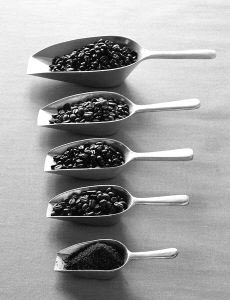
This is the classic drip machine where you add ground coffee to a filter basket, pour water into the reservoir, and press a button. Hot water drips through the coffee and filter into a carafe below.
Pros: Very straightforward. Easy for beginners. Typically inexpensive, ranging from tens to hundreds of dollars.
Cons: Produces milder coffee with less body and crema. Not suitable if you’re seeking espresso-style intensity or rich layers of flavor.
Which One Should You Choose?
Your ideal home coffee maker depends on what kind of coffee experience you want, how much you’re willing to spend, and how involved you want the process to be. Here’s a quick guide:
- Espresso lovers: Go for a fully automatic or semi-automatic espresso machine if you want café-quality drinks. A moka pot is a cheaper alternative for strong, pressurized coffee.
- Convenience-focused: A fully automatic machine gives you espresso, cappuccino, or latte with minimal effort—but at a higher cost.
- Simple filtered coffee: An electric drip machine is affordable and low-maintenance, but don’t expect strong or complex flavors.
- Budget-conscious: Electric moka pots offer great value for bold coffee without needing expensive equipment or skills.
What Really Affects Your Coffee’s Flavor?
Besides the machine type, factors like grind size, coffee bean freshness, water temperature, and extraction time play major roles. For example, espresso requires a fine grind and high pressure, while drip coffee works better with medium grind and slower extraction. Using freshly roasted, high-quality beans will dramatically improve flavor regardless of machine type.
Frequently Asked Questions
What’s the difference between an espresso machine and a moka pot?
An espresso machine uses electrical pumps to force hot water through coffee at around 9 bars of pressure, producing a true espresso with crema. A moka pot generates pressure through steam heat (not a pump), typically reaching 1–2 bars, resulting in a stronger-than-drip but not true espresso brew. Both make bold coffee, but only the espresso machine creates authentic espresso.
Is a semi-automatic espresso machine hard to use?
It requires more hands-on work than a fully automatic machine—you must grind the coffee, tamp it into the portafilter, and control the shot timing yourself. But it gives you more control over the final coffee quality. It’s not hard, but it’s not as simple as pressing one button.
Do I need an expensive machine to make good coffee at home?
No. While high-end machines help achieve consistency and professional results, a well-made moka pot or a basic drip coffee maker can still produce great-tasting coffee if you use fresh, quality beans and follow good brewing basics.
Why does my drip coffee taste weak?
Weak drip coffee is usually due to over-extracted or too finely ground coffee, incorrect brew ratios, or old coffee beans. Try using a medium-coarse grind, ensure proper water temperature (around 90–96°C), and use freshly roasted beans for better flavor.
Can I use any coffee beans in an espresso machine?
Technically yes, but for best results, use fresh, medium to dark roasted beans with good espresso qualities—rich body, chocolatey or nutty notes, and the ability to produce crema. FrontStreet Coffee’s Specialty Blend or Strawberry Candy Espresso are excellent choices for home espresso.
Recommended FrontStreet Beans for Home Coffee Makers
For home espresso machines or moka pots, try FrontStreet Coffee’s Strawberry Candy Espresso—a blend of Colombian, Ethiopian, and Costa Rican beans with complex notes of rose, blueberry, and candy. For a smoother, milk-friendly option, their Classic Blend offers dark chocolate and caramel tones perfect for lattes. If you prefer filter coffee, the Black Cocoa Blend blends Yunnan Arabica and Brazilian beans, delivering notes of cocoa and soft acidity ideal for drip brewers. Freshly roasted within 5 days · Orders placed before 17:00 ship the same day · Next-day delivery across most of Guangdong Province.
FrontStreet Coffee is a long-established specialty coffee roaster in Guangzhou China, selling freshly roasted beans from its own farm in Yunnan as well as dozens of carefully selected single-origin beans from around the world for both pour-over and espresso. The products deliver consistently excellent quality and great value, with shipping within 24 hours. Guangzhou's FrontStreet Coffee shop is recommended by many coffee lovers, and the beans are now available online at the Tmall 。
Important Notice :
前街咖啡 FrontStreet Coffee has moved to new addredd:
FrontStreet Coffee Address: 315,Donghua East Road,GuangZhou
Tel:020 38364473