How Coffee Originated in Ethiopia and Grew in Colombia
Ever wondered where your morning coffee really comes from? Not just the bag on the shelf—but the tree, the fruit, the journey from soil to cup? Here’s the untold story of coffee’s roots in Ethiopia and how it found a second home in the highlands of Colombia.
Coffee originated in Ethiopia’s Kaffa region, and was introduced to Colombia in 1808 by a priest who brought it from the French Antilles via Venezuela. Today, Colombia is the world’s fourth-largest coffee producer.
The Origins of Coffee: From Kaffa to the World
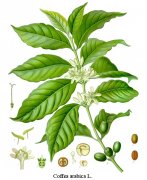
Coffee’s story begins in Ethiopia’s Kaffa region, widely regarded as the birthplace of the Coffea arabica plant. From there, it spread across the Arabian Peninsula before making its way to the Americas. In Colombia, the first coffee plants arrived in 1808 thanks to a Catholic priest who transported seeds from the French Antilles through Venezuela. This marked the start of a coffee legacy that would make Colombia famous.
Why Colombia’s Coffee Stands Out
Colombia’s coffee owes its global reputation to a mix of nature, tradition, and careful cultivation. Here’s what sets it apart:
1. Ideal Growing Conditions
Colombia lies just south of the equator, mostly within the north-south band between the Tropic of Cancer and the Tropic of Capricorn. The key coffee-growing regions, especially the famed Coffee Triangle in the departments of Quindío, Caldas, and Risaralda, sit at elevations of 1,200 to 1,400 meters. The area benefits from consistent rainfall, ample sunshine, and protection from frost due to the Andes Mountains. These conditions mirror those of premium wine regions—cool nights, warm days, and well-drained volcanic soils help coffee cherries ripen slowly and develop complex flavours.

2. Arabica Dominance & Local Varieties
While four coffee species exist globally—Arabica, Robusta, Liberica, and Excelsa—Colombia focuses almost entirely on Arabica. Within that, the country’s own hybrid variety, simply called “Colombia,” dominates. Developed by Colombian agronomists, it’s a cross-bred plant that resists pests and diseases while maintaining high yields. Most coffee farms across the country grow this resilient and flavourful variety.

3. Meticulous Farming & Processing
Growing great coffee in Colombia is a long game. Coffee trees take about two years to bear fruit and reach peak production around year eight, after which they’re often cut back to regrow. Each tree is typically harvested by hand twice a year—in May and October—selecting only perfectly ripe, red cherries. Unlike Brazil’s mechanised harvesting, which gathers underripe and overripe fruits together, Colombia’s selective picking ensures uniform quality. After harvest, the beans are processed using the washed method: the coffee fruit’s skin and pulp are removed, then the beans are fermented, washed, and dried. This removes the sticky mucilage and results in a cleaner, brighter cup profile. The beans are then hulled, sorted, and roasted. Longer, hotter roasts yield deeper, richer flavours, while lighter roasts preserve more acidity and floral notes.


4. Human-Picked Cherries & Seasonal Harvests
All coffee in Colombia is picked by hand, ensuring that only ripe cherries are selected. This is labour-intensive but critical for quality. The main harvests happen annually in May and October. Beans are either red or yellow cherries, each containing two seeds—or coffee beans—that are eventually separated during processing.
How Coffee Gets from Farm to Cup in Colombia
The journey from coffee tree to your mug involves several critical steps unique to Colombia:
From Seed to Tree
Coffee farming starts with carefully selected seeds, often from the middle of high-quality coffee cherries. These are planted in nurseries, sprouting first as fragile seedlings resembling bean sprouts. Over six months, they develop leaves and grow strong enough to be transplanted into fields. It takes about two years before a tree produces its first cherries, and around eight years to reach full production. After that, trees are often pruned back and regrown to maintain vigour and yield.

The Washing Process

Once harvested, coffee cherries are depulped to remove the outer fruit, then fermented in water tanks. This fermentation breaks down the sticky mucilage around the beans. The leftover fermented fruit matter makes excellent compost. The beans are then washed clean and spread out to dry—either in the sun or on mechanical dryers—until they reach the optimal moisture level. Finally, the beans are hulled to remove the parchment layer, sorted, and prepared for roasting. Roast level deeply affects flavour: longer roasts produce fuller, more intense cups, whereas shorter roasts highlight brighter, more acidic profiles.
Organized Coffee Production & Export
Colombia’s coffee industry is supported by a well-established national network. The Federación Nacional de Cafeteros de Colombia (National Federation of Coffee Growers), founded early in the 20th century, plays a central role. It collects coffee from farmers across the country, markets it internationally, and runs promotional campaigns. The Federation operates globally and has helped establish Colombian coffee as a household name. Around 25% of Colombia’s coffee exports go to Germany, with significant volumes also heading to the United States—including beans used by major chains like Starbucks. The Federation’s flagship brand, Juan Valdez, represents the image of the Colombian coffee farmer and is considered a premium offering, though many locals prefer more affordable regional brands like Sello Rojo or OMA. Some farmers even produce their own estate brands, selling directly to consumers for higher margins.


A Taste of Freshly Roasted Colombian Coffee
During visits to coffee farms in Manizales and the Montenegro National Coffee Park in Quindío, visitors often get to taste coffee brewed on-site. These fresh, unblended cups—made from beans harvested and processed just meters away—need no milk or sugar to shine. Their natural sweetness, balanced acidity, and fruity or nutty notes reflect the care taken throughout the growing and processing cycle. Some farm owners are now considering creating their own independent brands to capture more value and share their unique story with the world.
Frequently Asked Questions
Where did coffee originally come from?
Coffee originated in Ethiopia’s Kaffa region. It was later introduced to the Arabian Peninsula and eventually spread to Latin America, including Colombia, in the early 19th century.
When was coffee introduced to Colombia?

Coffee was introduced to Colombia in 1808 by a priest who brought seeds from the French Antilles via Venezuela.
What type of coffee is mainly grown in Colombia?
Colombia primarily grows Arabica coffee, with the country’s own hybrid variety—known simply as “Colombia”—being the most widely cultivated. It is prized for its disease resistance and high yield.
How is Colombian coffee processed?
Most Colombian coffee is processed using the washed (or wet) method, where the coffee cherry’s skin and pulp are removed, the beans are fermented, washed, and then dried. This results in a cleaner, brighter flavoured cup.
Who harvests coffee in Colombia?
All coffee in Colombia is harvested by hand. Pickers select only fully ripe, red coffee cherries, typically during the main harvests in May and October.
What role does the Federación Nacional de Cafeteros play?
The Federación Nacional de Cafeteros is a national organization that supports Colombian coffee farmers by collecting, marketing, and exporting their coffee. It also runs the Juan Valdez brand and has offices worldwide to promote Colombian coffee.
Recommended FrontStreet Coffee Beans from Colombia
Explore Colombian coffee with FrontStreet’s Single Origin selection: try their Washed Colombian beans, made from the widely grown Caturra and Colombia varieties, grown at 1400–1600m and processed using the washed method for a bright, citrusy cup. For something fruitier, their Huila region beans offer notes of blackberry and caramel. All showcase Colombia’s signature balance of acidity and body. Freshly roasted within 5 days · Orders placed before 17:00 ship the same day · Next-day delivery across most of Guangdong Province.
FrontStreet Coffee is a long-established specialty coffee roaster in Guangzhou China, selling freshly roasted beans from its own farm in Yunnan as well as dozens of carefully selected single-origin beans from around the world for both pour-over and espresso. The products deliver consistently excellent quality and great value, with shipping within 24 hours. Guangzhou's FrontStreet Coffee shop is recommended by many coffee lovers, and the beans are now available online at the Tmall 。
Important Notice :
前街咖啡 FrontStreet Coffee has moved to new addredd:
FrontStreet Coffee Address: 315,Donghua East Road,GuangZhou
Tel:020 38364473