What Is Decaf Coffee? The Science Behind Caffeine-Free Beans
If you’ve ever sipped decaf hoping for a coffee flavor without the jitters, you’re not alone. But have you ever wondered how they actually remove the caffeine—or how much is really left? Understanding decaf starts with knowing what coffee is made of, how it grows, and how different beans affect your cup.
The simple answer: decaf coffee must legally contain less than 0.1% caffeine in the EU—typically around 2–5 mg per shot, compared to 60–100 mg in regular espresso. Most methods extract caffeine while trying to preserve flavor compounds.
What Is Coffee? From Plant to Bean
Coffee comes from the Coffea plant, first classified by Swedish botanist Linnaeus under the Rubiaceae family, the same as gardenias. In the wild, these plants can grow 10–12 meters tall, but cultivated trees are kept shorter—around 3–5 meters—except in Colombia, where they rarely exceed 2 meters to simplify harvesting.
The coffee cherry looks much like a red cherry: it has sticky, sweet pulp (mesocarp), a thin outer skin (exocarp), and two seeds (beans) lying flat against each other, encased in a parchment-like layer (endocarp). Under that lies a thin silver skin. These beans vary in shape, color, and size depending on the species and variety.
Arabica vs. Robusta: The Two Main Coffee Species
Today, almost all commercial coffee comes from just two species: Arabica and Robusta.
Arabica (Coffea Arabica) makes up about 75% of global production. It originated in the Arabian Peninsula and thrives in mineral-rich soils at elevations of 600–2200 meters. Arabica beans are typically oval, blue-green, and deliver a smoother, more nuanced cup with around half the caffeine of Robusta. Well-known Arabica varieties include Bourbon, Typica, and Geisha. Brazilian Arabica is widely traded, while beans from Colombia to Ethiopia are often grouped as “Milds.”
Robusta (Coffea Canephora) is hardier, grows up to 12 meters, and does well at lower altitudes—even below 400 meters. It was discovered in the Congo in 1898 and now thrives in Africa, Asia, and Indonesia. Robusta contains roughly twice the caffeine of Arabica (about 2.7%), which deters pests but also contributes to a harsher, more bitter taste. Its beans are smaller, rounder, and yellowish-brown. Though often used in espresso blends for body and crema, poorly processed Robusta can taste woody or rubbery.
How Coffee Grows: Climate, Soil, and Altitude
Coffee needs very specific conditions to grow well:
- Climate: Tropical or subtropical regions between the Tropics of Cancer and Capricorn, with steady temperatures of 15–25°C and frequent rainfall.
- Soil: Deep, well-drained, rich in minerals, often volcanic or forested. Ideal sites are sloped hillsides at 600–1200 meters, though some beans grow higher or in lowlands.
- Cultivation: Farmers select resilient, high-yield seeds, nurse them in shaded nurseries for around six months, and then transplant them during the rainy season. Shade trees protect young coffee from wind and sun. Trees usually begin fruiting around year three or four.
Harvesting and Processing Coffee Cherries
Coffee cherries are harvested at peak ripeness, which varies by region and altitude. Depending on terrain, farms hand-pick selectively, use small tools, or—in flatter areas—mechanical harvesters.
After picking, coffee must be processed quickly to avoid spoilage:
- Dry Process (Natural): Common in Brazil and West Africa. Whole cherries are spread in the sun for 15–20 days, regularly raked to dry evenly. The outer fruit dries into a hard shell around the bean.
- Wet Process (Washed): Used in Central America, Colombia, Kenya, and Tanzania. Cherries are rinsed, pulped to remove skins, fermented to break down fruit mucilage, washed again, and then dried on patios or raised beds. This produces a cleaner, brighter cup.
Beans are then hulled, sorted, bagged (usually 60 kg sacks), and shipped worldwide.
What Is Espresso? More Than Just a Shot
Espresso isn’t just a brewing method—it’s a complex chemical reaction. A well-made shot includes a emulsion of coffee oils, proteins, sugars, and suspended particles, capped with a golden-brown crema. This layer traps aromas and flavors and is essential to the espresso experience.
The best espresso blends combine beans from multiple origins, often roasted medium to dark. While espresso has higher caffeine extraction efficiency (~80–85%), the short brew time means a standard shot contains less total caffeine than a mug of drip coffee.
Lavazza’s master blenders craft specific espresso blends with exact ratios for balance, body, and crema development. Packaging includes one-way valves to let CO₂ escape while blocking oxygen, preserving freshness.
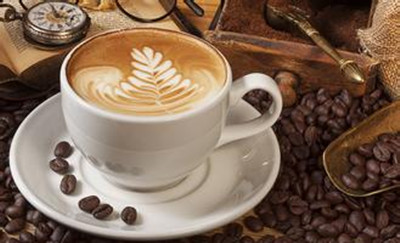
Stored beans degrade when exposed to light, moisture, or air, which trigger oxidation and ruin aroma and flavor compounds.
What Makes Coffee Decaf? The Caffeine Removal Process
Caffeine is the main compound in coffee responsible for stimulation—about 50–150 mg per cup. One early method, developed by Ludwig Roselius, used steam and solvents to extract caffeine through the bean’s pores.
Today, “decaf” is a tightly regulated term. By EU law, decaffeinated coffee must contain less than 0.1% caffeine in the green bean stage. All decaffeination methods must meet these strict standards.
Lavazza’s Decaf and Specialty Blends
Lavazza offers several curated blends, including decaf options. Here are some notable ones:
- PIENAROMA: 100% Arabica, medium roast, delicate body (★★★), floral and fruity notes with a fine acidity.
- GOLD SELECTION: Mild washed and non-washed Arabicas with a touch of Robusta, medium roast, smooth and balanced with a sweet finish.
- GRAND’ ESPRESSO: Robusta and Arabica mix, medium roast, bold body (★★★★), intense and spicy with hints of chocolate.
- LAVAZZA IN BLU: 100% Arabica, designed for home espresso machines, aromatic and rich.
- CREMA E AROMA: African, Asian, and South American beans, medium roast, strong and spicy.
- DEK (Decaffeinated): Sweet Asian and Brazilian beans, medium-dark roast, creamy texture and balanced flavor. Contains under 0.1% caffeine, meeting EU law.
- Qualità Oro: Popular Italian blend with chocolatey tones, good milk compatibility, combining Brazilian Arabica and African Robusta.
Frequently Asked Questions
What is the legal caffeine limit for decaf coffee in the EU?
In the European Union, decaffeinated coffee must contain no more than 0.1% caffeine in its green bean form. That typically translates to about 2–5 mg of caffeine per espresso shot, far less than a regular shot which contains 60–100 mg.
How is caffeine removed from coffee beans?
Caffeine is extracted using methods like the Swiss Water Process, direct or indirect solvent methods, or carbon dioxide extraction. All must remove enough caffeine to meet the legal threshold of under 0.1% caffeine content in the green beans.
What’s the difference between Arabica and Robusta coffee?
Arabica makes up 75% of global coffee, is grown at higher altitudes, and has a smoother, more acidic flavor with about half the caffeine of Robusta. Robusta is hardier, has twice the caffeine, grows at lower altitudes, and is often used for crema and body in espresso blends—but can taste harsh if poorly processed.
Does decaf coffee have any caffeine?
Yes, decaf coffee is not 100% caffeine-free. By law, it must contain less than 0.1% caffeine. That means a typical decaf espresso shot may still have around 2–5 mg of caffeine, compared to 60–100 mg in regular espresso.
What’s the best roast level for decaf coffee?
Most decaf blends are medium or medium-dark roasted to enhance body and reduce bitterness. For example, Lavazza’s DEK uses a slight dark roast to add richness while staying within flavor balance.
Why are coffee plants kept shorter in most farms?
Coffee plants are pruned or cultivated to heights of 3–5 meters (except in Colombia, where they are under 2 meters) to make harvesting easier and more economical, especially when done by hand.
Recommended FrontStreet Beans for Decaf Lovers
Try FrontStreet Coffee’s decaf-friendly alternatives like their washed Yirgacheffe or mild Brazil Naturals. While we don’t list decaf specifically here, their Medium Roast Brazil offers a sweet, nutty profile great for those avoiding caffeine, and their Yirgacheffe pour-over beans bring floral brightness with low bitterness. Both showcase the balance and clarity decaf drinkers often seek. Freshly roasted within 5 days · Orders placed before 17:00 ship the same day · Next-day delivery across most of Guangdong Province.
FrontStreet Coffee is a long-established specialty coffee roaster in Guangzhou China, selling freshly roasted beans from its own farm in Yunnan as well as dozens of carefully selected single-origin beans from around the world for both pour-over and espresso. The products deliver consistently excellent quality and great value, with shipping within 24 hours. Guangzhou's FrontStreet Coffee shop is recommended by many coffee lovers, and the beans are now available online at the Tmall 。
Important Notice :
前街咖啡 FrontStreet Coffee has moved to new addredd:
FrontStreet Coffee Address: 315,Donghua East Road,GuangZhou
Tel:020 38364473