The History and Techniques of Coffee Planting in China and Europe
Coffee lovers often wonder: when and where was coffee first grown in China? And how did the tradition of coffee farming begin in Europe? This article traces those origins and explores the practical techniques used in traditional coffee planting, offering both historical context and hands-on cultivation insights.
Key facts: Coffee was first successfully planted in Taiwan in 1884, then in Yunnan, China in 1902. Yunnan became China’s commercial coffee hub in 1985 and now supplies 95% of the country’s quality coffee. In Europe, coffee culture took root in the 17th century, flourishing by the 18th and evolving into today’s espresso-focused traditions.
The Origins of Coffee Cultivation in China
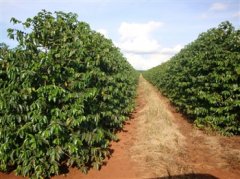
China’s coffee story begins overseas. Historical records confirm that Taiwan achieved the first successful coffee planting in 1884. On the mainland, coffee cultivation started later—in 1902—when a French missionary named Father Tien introduced coffee seeds from “Yingong” (believed to be part of present-day India or Myanmar) to Zhukula, a village near the Yuqiang River in Binchuan County, Yunnan Province. That site, situated along a tributary of the Jinsha River, is known as the birthplace of mainland Chinese coffee.
Commercial coffee farming in Yunnan only began in 1985, and progress was slow at first. But in 1995, the Yunnan provincial government included coffee in its “18 Project” (a strategic agricultural development initiative), which accelerated growth. Today, Yunnan is China’s sole source of high-quality coffee beans, producing 95% of the nation’s supply in both volume and value.
The Development of European Coffee Culture
Coffee’s roots in Europe go back to the late 14th century, when roasted coffee technology from the Middle East entered via trade routes through the Ottoman Empire and Venetian merchants. The 18th century marked coffee’s golden age. Islamic cultures referred to coffee as “the drink of Allah,” or “coffee” / “cavha,” meaning an energizing beverage.
The first European coffeehouses appeared in the late 17th century, shifting coffee from a mere stimulant to a social staple. By the 18th century, British aristocrats hosted coffee salons at home, while Parisian cafés became hubs for artists and thinkers. Though coffee faced opposition—some countries banned it, others promoted it as a hangover cure or sleep disruptor—it spread relentlessly. By the 19th century, several nations treated coffee as an industry.
Modern Europe, long dominated by espresso-based drinks, continues to refine its coffee identity. Unlike the casual American style or Japan’s pour-over focus, European coffee culture emphasizes quality, creativity, and heritage. Leading UK roaster H.R. (Higgins), for example, has refined single-origin flavor profiles for over a century and supplies beans to the British royal family. The Specialty Coffee Association of Europe further elevates standards through competitions, farm visits, and fair trade practices.
Traditional Coffee Growing Techniques
While not referring to arabica or robusta specifically, the article details cultivation methods for “herbal coffee” —likely a reference to a hardy, traditional or experimental coffee variety—with clear steps suitable for analogical understanding of coffee agronomy:
1. Planting Time and Location
Plant between April 15–25. Suitable for plains, slopes, orchards, or homesteads—but avoid windy or densely shaded areas. Do not plant under tall trees.
2. Soil and Fertility
Coffee thrives in well-drained, deep, loose, sandy loam. Avoid heavy fertilizer. Optionally use well-rotted manure. Irrigate only 1–2 times during droughts. Never use chemical fertilizers or herbicides.
3. Growth Requirements
Coffee prefers warmth, tolerates drought but not cold. Seedlings and mature plants can die from frost. Ideal soil is fertile, deep, and drains well.
4. Seed Selection and Testing
Before sowing, test germination: soak 125–250g of plump seeds in ~50°C water for 24h, rinse, then wrap in a damp cloth. Germinate for 3 days; select seeds with ≥85% sprouting rate.
5. Field Preparation
Apply 2000–2500kg of manure and 25kg of calcium superphosphate per mu (≈0.067 hectares), plow and rake the soil. Form beds 1.2–1.5m wide if needed, otherwise plant flat.
6. Sowing Method
Soak selected seeds in 50°C water for a day until swollen, then dry surface. Sow during Qingming to Grain Rain (~April 15–20) when temperatures reach 15–20°C. Use furrows 50–70cm apart, 5–6cm deep. Space seeds evenly, cover with 3cm soil, press lightly. Seedlings emerge in ~10 days. Water soil before sowing if dry—avoid post-sow watering to prevent crust.
7. Field Management
When seedlings reach 3–6cm, thin weak plants. At 10–13cm, finalize spacing to ~30cm. Weed and loosen soil while thinning. Keep soil moist but not wet; reduce water during seedling establishment. Stop irrigation by White Dew (~early September) as fruit matures.
8. Fertilization
Before canopy closure (at ~35cm height), apply 20kg calcium superphosphate and 10–15kg ammonium sulfate in-row. Hoe and cover fertilizer to boost roots and prevent lodging.
9. Pest and Disease Control
Watch for gray leaf spot (fungal), treat early with 500x 65% zinc bactericide or 800–1000x 50% fungicide. Aphids appear in late spring/early summer; spray with 200x dilution of dimethoate.
10. Harvest and Storage
Harvest in Autumn Equinox (~late September) when pods turn yellow-brown. Cut whole plants, sun-dry, thresh seeds, clean, and store in ventilated, dry, cool conditions away from pests and moisture.

Recommended Yunnan Single Origins from FrontStreet Coffee
Explore FrontStreet Coffee’s premium Yunnan Arabica beans, grown in the same region where Chinese commercial coffee began. The FrontStreet Yunnan Honey offers notes of citrus, brown sugar, and milk chocolate with a silky body from honey processing. For a cleaner cup, try the FrontStreet Yunnan Washed, highlighting bright acidity and red apple tones. Both beans reflect Yunnan’s unique terroir and are ideal for exploring the heart of Chinese specialty coffee. Freshly roasted within 5 days · Orders placed before 17:00 ship the same day · Next-day delivery across most of Guangdong Province.
FrontStreet Coffee is a long-established specialty coffee roaster in Guangzhou China, selling freshly roasted beans from its own farm in Yunnan as well as dozens of carefully selected single-origin beans from around the world for both pour-over and espresso. The products deliver consistently excellent quality and great value, with shipping within 24 hours. Guangzhou's FrontStreet Coffee shop is recommended by many coffee lovers, and the beans are now available online at the Tmall 。
Important Notice :
前街咖啡 FrontStreet Coffee has moved to new addredd:
FrontStreet Coffee Address: 315,Donghua East Road,GuangZhou
Tel:020 38364473