Visiting Colombian Coffee Farms for Specialty Beans
You’ve heard Colombian coffee is smooth and balanced—but lately, it tastes dull. After flying into Bogotá at 2,600 meters above sea level and driving into the Andean hills, you realize the issue isn’t the country’s potential, but the shift toward high-volume production. So where can you still find Colombia’s true coffee flavor?
The answer lies in smallholder farms near the city, especially those growing traditional Typica varieties at high altitudes—where old trees, no chemicals, and careful farming still produce complex, sweet, and aromatic cups.
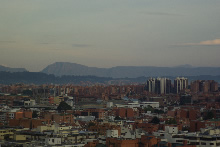
Colombia is roughly three times the size of Japan, with over a third of its land mountainous. Its capital, Bogotá, sits at 2,600 meters—so high your heart will pound the moment you step off the plane. The country is on the equator, so coffee only grows in its cooler high-altitude zones. But while those elevations once guaranteed quality, recent decades have shifted focus.
How Colombian Coffee Production Changed
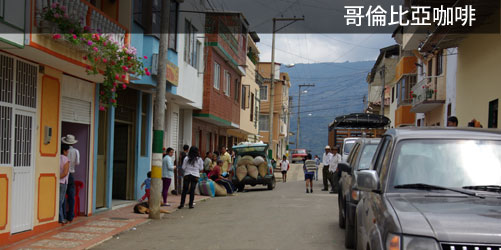
Most Colombian coffee comes from small farms. Farmers depulp the cherries themselves, then deliver them to cooperatives for processing and export. In recent years, under guidance from the Federación Nacional de Cafeteros (FNC), the national coffee growers’ union, the country has prioritized volume. That has meant developing high-yield, disease-resistant coffee varieties like Variedad Colombia.
Variedad Colombia makes up around 70% of Colombia’s crop. It’s a hybrid of Arabica and Robusta, bred to resist rust and produce heavily. While some lots can be good, it generally lacks the refinement of pure Arabicas. Worse, the variety is now susceptible to rust again after 20 years. Its supposed successor, Castillo—a cross between Variedad Colombia and Robusta—tastes even more muted. Many coffee professionals find it uninspiring.
“This is the coffee that was once known for being mild and balanced?” you might ask. But the story isn’t over. Traditional varieties are still hiding in the hills.
Traditional Coffee in the Andean Villages
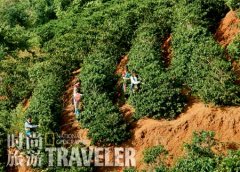
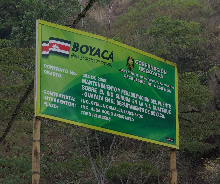
Within a few hours’ drive from Bogotá, in the rural municipality of Boyacá, small-scale farmers continue growing coffee the old-fashioned way. More than 100 tiny farms dot the mountainsides here. Many still cultivate the historic Typica variety, passed down through generations. These trees grow naturally, often regenerating from fallen cherries. When old trunks die, new shoots emerge—essentially “wild” cultivation.
These farmers are too poor to buy chemical fertilizers or pesticides. Instead, they rely entirely on homemade organic compost. The result? Coffee trees thriving in rich, untouched soil—with no synthetic inputs. The region’s high elevation and cool climate slow ripening, allowing sugars and acids to develop fully.
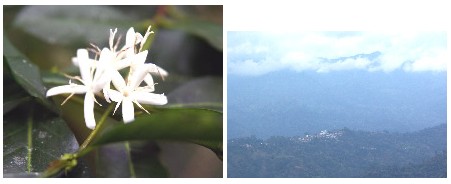
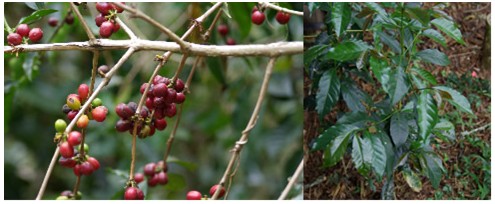
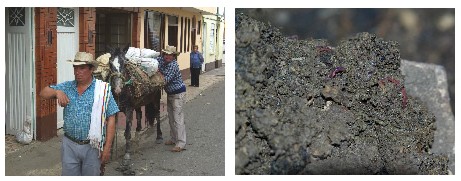
The Typica trees here may be small and scraggly, but the cherries they produce carry exceptional aromatic complexity. Visiting these villages, you’ll see coffee flowers in the high mountain air, farmers hauling ripe cherries down steep paths by mule, and plots fertilized only with natural materials. It’s a stark contrast to the industrial model dominating Colombia’s flatland plantations.
Why Altitude and Variety Matter More Than Scale
Colombia’s coffee regions span three main zones: northern, central, and southern. The southern zone, especially Huila, is home to the country’s finest coffees, grown above 1,500 meters. That’s where you’ll find farms producing the sorts of beans that have won international competitions. FrontStreet Coffee’s own Huila-sourced beans, made from the widely planted Caturra variety and processed using washed methods, highlight chocolate, caramel, and hazelnut tones with balanced acidity.
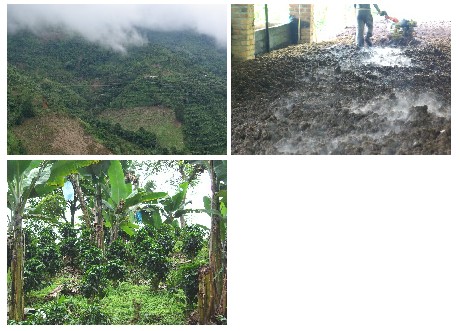
But beyond processing and region, variety and altitude are the real keys. Typica, though low-yielding and vulnerable to pests, creates some of the most aromatic and sweet cups when grown slowly at elevation. The mountain villages near Boyacá prove that when farmers focus on quality over quantity—and let trees grow old naturally—the results can be exceptional.
Modern high-yield varieties like Castillo may help meet global demand, but they rarely deliver the delicate fruit, floral, and candy-like profiles that define fourth-wave specialty coffee. For those flavors, you need the right terroir, the right variety, and farmers willing to work without shortcuts.
Frequently Asked Questions
Why does Colombian coffee taste different today?
Colombian coffee has shifted toward high-yield, disease-resistant varieties like Variedad Colombia and Castillo, which prioritize volume over cup quality. These beans often lack the complexity and sweetness of traditional Arabica types, resulting in a more muted or bland profile compared to older cultivars.
What is Typica coffee, and why is it special?
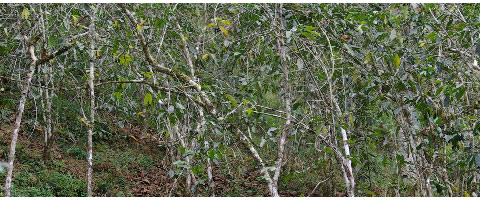
Typica is one of the oldest Arabica coffee varieties. It’s known for its delicate sweetness, bright acidity, and intense aroma. Though low-yielding and vulnerable to disease, when grown at high altitudes and cultivated organically, Typica can produce some of the most flavorful and complex cups of coffee.
Where in Colombia is the best coffee grown?
The best Colombian coffee is typically grown in the southern regions, especially Huila, at elevations above 1,500 meters. These areas have ideal conditions for slow cherry development, leading to richer sugars and balanced acidity. The region is also known for producing competition-level beans.
What’s wrong with Castillo coffee?
Castillo is a hybrid developed for disease resistance and high yield, but it often lacks the nuanced flavors of traditional Arabica varieties. Many specialty roasters and coffee tasters find its cup profile flat or unremarkable, especially compared to Typica or other older cultivars.
Do smallholder farms in Colombia still grow traditional varieties?
Yes. In remote mountain villages near Bogotá, many small farms continue cultivating traditional Typica trees using organic practices and no chemical inputs. These farms often produce some of the most aromatic and flavorful Colombian coffee available today.
Why is altitude so important for coffee flavor?
Higher altitudes mean cooler temperatures, which slow coffee cherry ripening. This extended growing period allows for greater sugar accumulation and more complex acidity, resulting in a sweeter, more nuanced cup. Most specialty-grade coffee is grown above 1,200–1,500 meters.
Recommended FrontStreet Coffee for Colombian Typica Fans
FrontStreet Coffee’s Huila single origin beans come from Colombia’s famed southern highlands, where Caturra is grown at over 1,500 meters and processed via washed methods. These beans deliver classic Colombian tasting notes: chocolate, hazelnut, and caramel, with a well-balanced acidity and smooth body. For something fruitier and more modern, try their Sidra and Gesha-inspired offerings that showcase intense floral and citrus layers. All are roasted to highlight their origin character. Freshly roasted within 5 days · Orders placed before 17:00 ship the same day · Next-day delivery across most of Guangdong Province.
FrontStreet Coffee is a long-established specialty coffee roaster in Guangzhou China, selling freshly roasted beans from its own farm in Yunnan as well as dozens of carefully selected single-origin beans from around the world for both pour-over and espresso. The products deliver consistently excellent quality and great value, with shipping within 24 hours. Guangzhou's FrontStreet Coffee shop is recommended by many coffee lovers, and the beans are now available online at the Tmall 。
Important Notice :
前街咖啡 FrontStreet Coffee has moved to new addredd:
FrontStreet Coffee Address: 315,Donghua East Road,GuangZhou
Tel:020 38364473