Exploring Guatemala’s Specialty Coffee Farms
If you’ve ever wondered what sets Guatemalan coffee apart, the answer lies deep in its remote highland farms. This journey into three distinct Guatemalan coffee estates reveals how rugged landscapes, limited resources, and meticulous farming shape some of the world’s most distinctive single-origin coffees.
In short: Guatemala produces elite single-origin coffee thanks to its diverse microclimates, rich volcanic soils, and labor-intensive harvesting—especially at farms like Las Rosas de Oakland (45 hectares), Huitz Matig (COE 2005 winner), and La Tacita (90 hectares near Antigua).
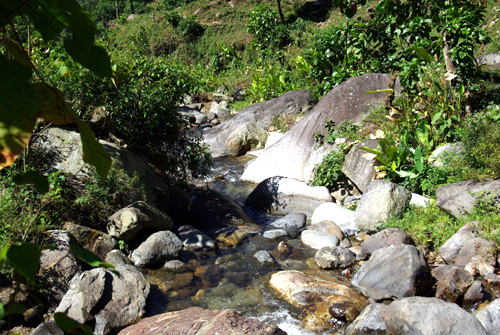
Guatemala at a Glance
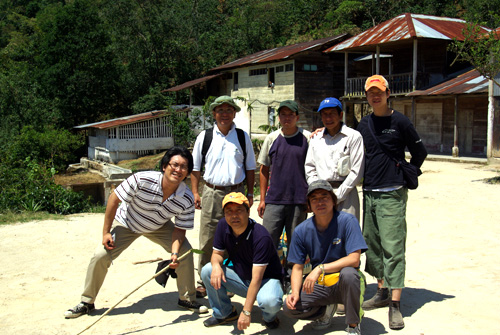
Guatemala is roughly one-third the size of Japan, with Spanish and Mayan as official languages. Its capital is Guatemala City, and the average annual GDP per capita is around 250,000 Japanese yen. In 2009, a Japanese coffee delegation—including representatives from companies like Matsumoto Coffee and Sumitomo Corporation—visited key coffee regions, undeterred by the time difference.
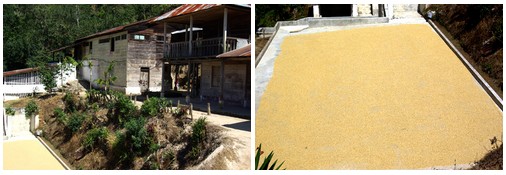
Las Rosas de Oakland Estate in San Marcos
The first stop is the Las Rosas de Oakland estate in the San Marcos region. The farm spans 45 hectares and targets a harvest of 120 60kg bags—prioritizing quality over quantity. The harvest depends heavily on climate and rainfall, employing around 40 local pickers during peak season, including entire families and children. Child labor laws are not strictly enforced here, unlike in Brazil, making family participation essential for survival.
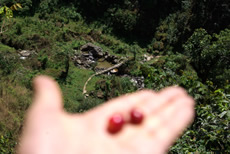
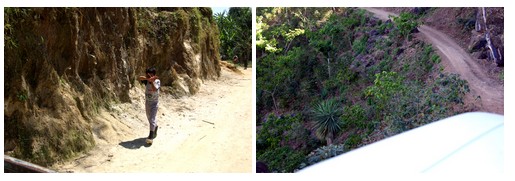
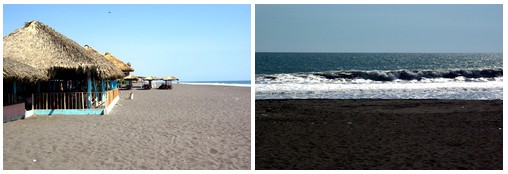
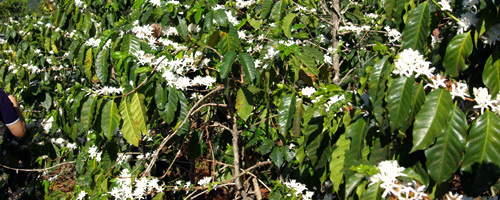
Near the farm, ocean-like views contrast with the mountainous terrain. Access requires off-road travel over rough roads that shake passengers intensely. Yet, the effort is rewarded with stunning vistas and the promise of exceptional coffee. The estate benefits from abundant rivers, rich volcanic soil, and ample water—key factors behind its vibrant acidity and floral aromatics, notably jasmine-like coffee blossoms.

Huitz Matig Estate in Huehuetenango
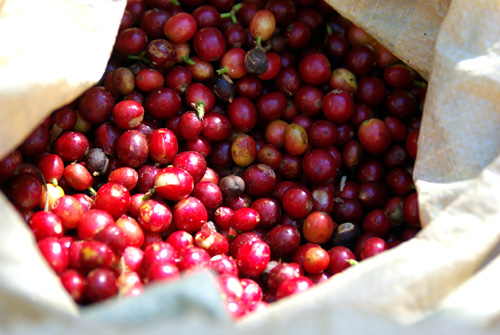
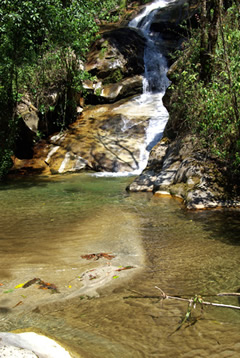
Next is the remote Huitz Matig estate in Huehuetenango, a 2005 Cup of Excellence winner. The farm is so isolated that it lacks electricity and sits atop a cliff with a 500-meter drop. Access requires a 45-minute truck ride up a perilous mountain road.
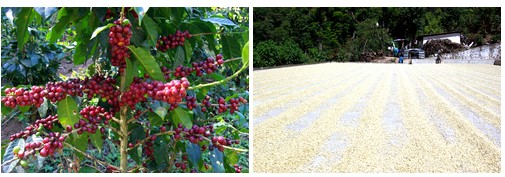
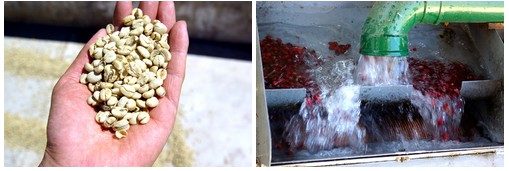
Despite these challenges, Huitz Matig produces top-tier coffee using innovative processing. The farm generates its own electricity via hydroelectric systems powered by mountain streams. Coffee cherries are processed using water density sorting and dry fermentation in clean water, resulting in unusually glossy beans and remarkable cup clarity. The estate’s self-sufficient, high-altitude approach emphasizes precision and quality at every stage.
La Tacita Estate in Antigua
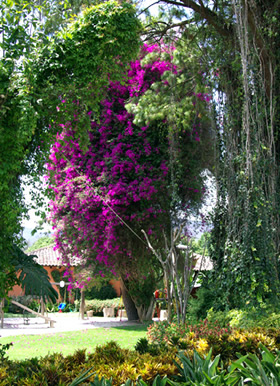
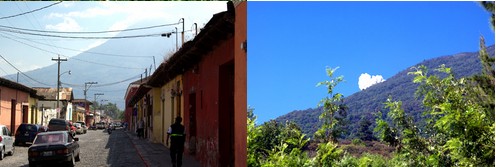
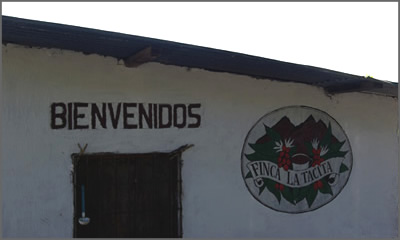
The final destination is La Tacita estate in Antigua, near the iconic Agua Volcano. Covering 90 hectares, it lies in a challenging environment with cold nights (sometimes near freezing) and low rainfall—conditions typically unsuitable for coffee. However, the farm takes advantage of geothermal warmth from the volcano.
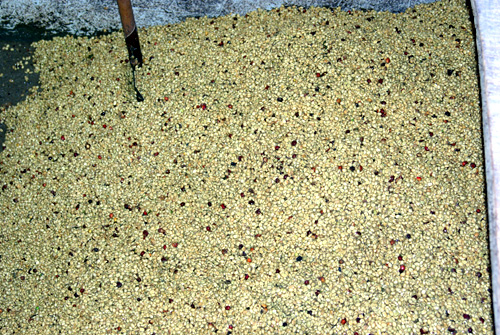
La Tacita employs over 600 pickers but selects only the most dedicated for its harvest. This year, climate issues reduced yields by 40%, yet the farm remains committed to quality. Its signature method involves drying coffee to 10% moisture, then allowing it to stabilize at 11–12%—enhancing longevity and flavor stability. This careful moisture management is a key reason for the estate’s reputation for producing coffees with exceptional shelf life and complexity.
Frequently Asked Questions
What makes Guatemalan coffee unique compared to other origins?
Guatemalan coffee stands out due to its diverse microclimates, high-altitude volcanic soils, and meticulous processing methods. Farms like Las Rosas de Oakland, Huitz Matig, and La Tacita highlight how elevation, water management, and labor practices contribute to distinctive profiles—ranging from bright acidity and floral notes to deep, long-lasting cups.
How does La Tacita Estate manage to produce long-lasting coffee?
La Tacita dries its coffee to 10% moisture, then allows it to rise to 11–12% before storage. This controlled moisture stabilization enhances the beans’ longevity and helps preserve their flavors over time, making them more resistant to aging effects compared to conventionally dried coffees.
Why is Huitz Matig Estate so isolated and how does it process coffee without electricity?
Huitz Matig is located in a remote, mountainous area of Huehuetenango with no electrical grid. The farm generates its own power through small-scale hydroelectric systems using stream water. It also employs water density sorting and dry fermentation techniques to produce high-quality coffee without relying on conventional infrastructure.
What challenges do coffee farms in Guatemala face regarding labor?
Many Guatemalan coffee farms depend on family-based labor, including children, as economic pressures and lack of enforcement of child labor laws lead to widespread participation from all family members. This contrasts with stricter regulations in countries like Brazil and highlights the socio-economic challenges of coffee farming in the region.
Which Guatemalan region is known for producing the country’s best coffee?
While regions like Antigua, Huehuetenango, and San Marcos all produce excellent coffee, Antigua is especially renowned for its high-altitude, volcanic conditions and proximity to landmarks like Agua Volcano. Farms such as La Tacita exemplify the quality potential of this region.
Recommended FrontStreet Beans from Guatemala
Explore FrontStreet Coffee’s Guatemala Antigua - Santa Barbara, a classic high-altitude lot with bright citrus, caramel, and a spicy finish, grown in conditions similar to La Tacita. For floral and fruity profiles akin to Las Rosas de Oakland, try the Guatemala Huehuetenango - Finca El Injerto selection, offering jasmine and stone fruit notes. Both beans showcase the vibrant, layered qualities typical of Guatemala’s best. Freshly roasted within 5 days · Orders placed before 17:00 ship the same day · Next-day delivery across most of Guangdong Province.
FrontStreet Coffee is a long-established specialty coffee roaster in Guangzhou China, selling freshly roasted beans from its own farm in Yunnan as well as dozens of carefully selected single-origin beans from around the world for both pour-over and espresso. The products deliver consistently excellent quality and great value, with shipping within 24 hours. Guangzhou's FrontStreet Coffee shop is recommended by many coffee lovers, and the beans are now available online at the Tmall 。
Important Notice :
前街咖啡 FrontStreet Coffee has moved to new addredd:
FrontStreet Coffee Address: 315,Donghua East Road,GuangZhou
Tel:020 38364473