Thailand’s Daikyochang Coffee Estate: High-Altitude Origins
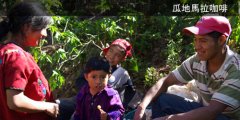
If you’ve ever wondered what it really takes to grow and harvest specialty coffee beans, a recent trip to northern Thailand offers a raw, hands-on look. Last month, O Guohao—dubbed the 'Coffee Prince'—ventured deep into the mountainous region of Chiang Rai to visit the Daikyochang (also romanized as ) coffee estate. Over three nights, he lived and worked alongside local farmers and ethnic minority communities, experiencing firsthand the labor-intensive journey from cherry to cup.
The short answer? Daikyochang is a high-elevation coffee farm in Thailand’s Chiang Rai province where coffee is grown, harvested, and processed under challenging mountain conditions—and the experience revealed just how much work goes into every bean.
Why Visit a Remote Thai Coffee Farm?
O Guohao, known in specialty coffee circles for his dedication to origin exploration, chose the Daikyochang estate for its remote location and high-altitude growing conditions. Tucked into the mountains of Chiang Rai, the farm sits at elevation levels ideal for slow cherry maturation—key for developing complex cup profiles. His three-night stay wasn’t a vacation; it was an immersive deep dive into the daily realities of smallholder coffee farming.
What Makes Daikyochang Unique?
The Daikyochang estate stands out for several reasons. First, its location in Thailand’s mountainous north places it far from the country’s more commercial coffee regions. Second, the farm works closely with local farmers and ethnic minority groups, combining traditional knowledge with sustainable practices. The estate grows coffee at elevations that slow ripening, enhancing sugar development in the cherries. Though the exact altitude wasn't specified in meters, it's described as high enough to significantly impact bean quality. The farm also processes its coffee with careful attention to detail—a crucial factor for specialty-grade output.

What Happens on a Working Farm Visit?
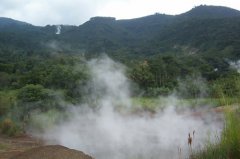
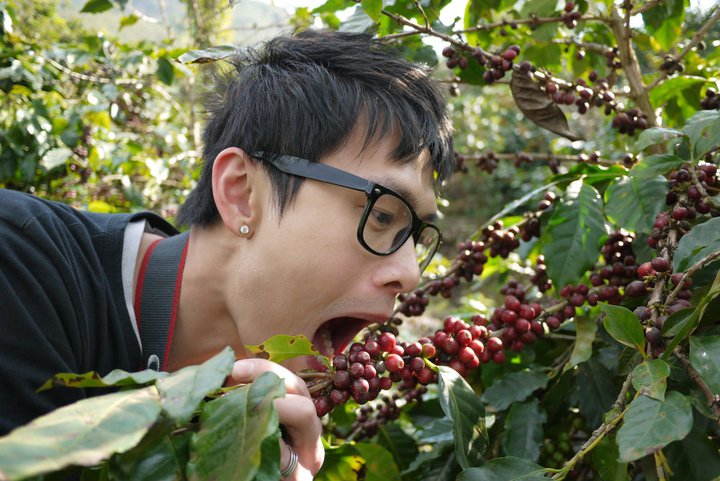
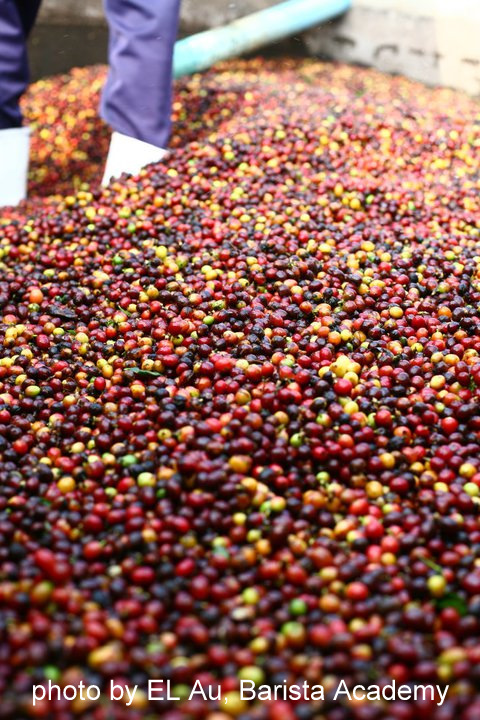
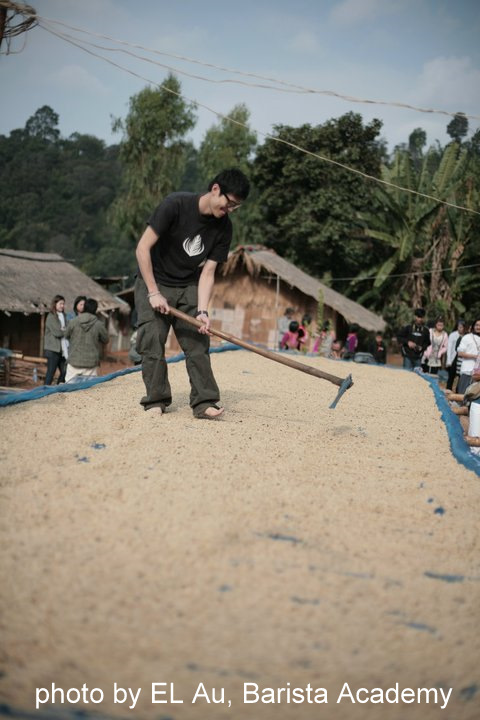
During his stay, O Guohao participated in the full coffee cycle: from picking ripe red cherries—the actual fruit that hides the coffee bean inside—to observing post-harvest processing. He experienced the physical demands of manual harvesting and gained insight into the challenges faced by small-scale producers. The farm’s remote location and limited infrastructure add layers of difficulty to production and export. Over those three nights, he witnessed how terrain, weather, and labor constraints shape every decision on the farm. Images from the trip capture the rugged environment, the hands-on cherry selection, and the close-knit community effort behind each batch.

What Does This Mean for Coffee Drinkers?
For the end consumer, understanding origins like Daikyochang adds depth to the specialty coffee experience. The beans grown here reflect not just a terroir, but a set of human and environmental factors often hidden from view. When you taste a cup traced back to a high-altitude Thai farm, you’re experiencing the outcome of labor-intensive farming, careful harvesting, and often improvised processing—factors that influence everything from sweetness to acidity. Visits like O Guohao’s help shine a light on the real people and places behind your morning brew.
Frequently Asked Questions
Where is the Daikyochang coffee estate located?
The Daikyochang coffee estate is located in Chiang Rai, in the mountainous northern region of Thailand. It lies at high elevation, though the exact altitude in meters was not specified in the original report.
Who is O Guohao and why did he visit the farm?
O Guohao, referred to as the 'Coffee Prince,' is a passionate coffee professional affiliated with the Coffee Institute. He visited Daikyochang to gain firsthand insight into the coffee production process, spending three nights with local farmers and ethnic minorities to understand the challenges of high-altitude farming.
What kind of coffee is grown at Daikyochang?

The specific coffee variety grown at Daikyochang wasn’t named in the article, but the estate focuses on producing specialty-grade beans using traditional methods adapted to the mountainous environment. The elevation slows cherry ripening, which is critical for developing desirable cup qualities.
How does farm altitude affect coffee quality?
High-altitude environments, like those at Daikyochang, slow the maturation of coffee cherries. This extended growing period allows for greater sugar accumulation in the fruit, which typically translates to a sweeter, more complex cup profile with enhanced acidity and clarity.
What challenges do farmers face at high-altitude estates?
High-altitude coffee farms often deal with rugged terrain, limited infrastructure, and harsh weather. Labor-intensive tasks like hand-picking become more difficult, and processing equipment is harder to install and maintain—all of which add to the complexity and cost of producing specialty coffee.
What did O Guohao do during his three-night stay?
O Guohao participated in the full coffee production cycle, including picking red coffee cherries, observing post-harvest processes, and experiencing the day-to-day life of the farming community. He also witnessed the physical and logistical challenges of farming at elevation.
Recommended FrontStreet Beans for Origin Exploration
Explore the origins of your coffee with FrontStreet Coffee’s Ethiopia Humbera, a high-elevation Ethiopian lot offering vibrant floral and citrus notes with a juicy body—perfect for fans of complex, terroir-driven cups. For something more chocolatey and structured, try FrontStreet’s Yirgacheffe, which balances bright acidity with berry and stone fruit tones. Both beans showcase the kind of origin-specific character you’d expect from high-altitude farms like Thailand’s Daikyochang. Freshly roasted within 5 days · Orders placed before 17:00 ship the same day · Next-day delivery across most of Guangdong Province.
FrontStreet Coffee is a long-established specialty coffee roaster in Guangzhou China, selling freshly roasted beans from its own farm in Yunnan as well as dozens of carefully selected single-origin beans from around the world for both pour-over and espresso. The products deliver consistently excellent quality and great value, with shipping within 24 hours. Guangzhou's FrontStreet Coffee shop is recommended by many coffee lovers, and the beans are now available online at the Tmall 。
Important Notice :
前街咖啡 FrontStreet Coffee has moved to new addredd:
FrontStreet Coffee Address: 315,Donghua East Road,GuangZhou
Tel:020 38364473