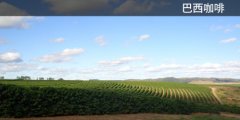
Harar: Ethiopia’s Premier Natural Process Coffee Region
If you’ve ever sipped an Ethiopian natural coffee and caught a whiff of blueberry wine or something you can’t quite name—funky, sweet, and faintly wild—that’s likely a Harar. This region is the beating heart of Ethiopia’s sun-dried coffee tradition, turning out some of the most distinctive naturals in the world.
Harar is Ethiopia’s most important region for natural-process coffee. Its signature long-berry Harar Mocha, sorted twice by hand to become Boldgrain, represents the highest grade of Harar coffee. The region’s naturals often show winey, fermented notes like blueberry, along with elusive, complex aromas.
What Makes Harar Coffee So Distinctive?
Harar coffee is almost synonymous with Ethiopian natural processing. Grown at high elevations with dry, sunny conditions, these beans are dried with the fruit still on, allowing deep fermentation and intense flavor development. The result? A cup that’s less bright than washed Ethiopians but far more wine-like, with heavy body, bold sweetness, and mysterious fruit and spice layers. Notes of blueberry wine, fermentation, and unpredictable fruit character are common.
How Harar Coffee Is Graded
Harar coffees are graded by bean shape and size, not just by processing method. There are three main grades:
- Short berry – Smaller beans, lower grade
- Long berry – Larger, higher-quality beans
- Boldgrain – The top grade, produced by a second manual selection of long berries
This sorting process means Boldgrain beans are the most uniform and carefully selected, often delivering the clearest expression of Harar’s signature profile. These are the beans sought after by specialty roasters looking for depth and complexity in their naturals.
Ethiopia’s Coffee Grading System
Ethiopia uses a separate grading scale for washed and natural coffees:
- G1 and G2 – Reserved for washed (water-processed) coffees; G1 is the highest grade
- G3 and G4 – For natural (sun-dried) coffees; G3 is the highest natural grade
Harar naturals typically fall under the G3–G4 categories, with Boldgrain representing an elite subset of G3-quality beans based on physical selection rather than official grade alone. This grading helps buyers identify bean quality but doesn’t always reflect cup profile nuances like fermentation character or fruit intensity.
Flavor Profile of Harar Natural Coffee
Harar naturals are bold and full-bodied. Expect:

- Rich, wine-like fermentation flavors
- Pronounced sweetness
- Deep fruit tones reminiscent of blueberry or other dark berries
- Aromatic hints that are hard to define but distinctly “wild”
- A wine or rum-like finish with lingering fruity acidity
The aftertaste often carries red wine-like notes, and the overall impression is less bright and more syrupy than washed Ethiopian coffees. That makes Harar a favorite for those who enjoy a heavier, more rustic cup with deep character.
Frequently Asked Questions
What is Harar coffee?
Harar coffee is a natural-process coffee grown in Ethiopia’s Harar region, known for its wine-like, fermented fruit flavors and bold sweetness. It’s typically processed by drying coffee cherries in the sun with the fruit still attached, resulting in a heavier-bodied, more complex cup than washed Ethiopian coffees.
What is Boldgrain coffee?
Boldgrain is the highest grade of Harar Mocha coffee, made by selecting the largest and most uniform long berries from the second manual sorting. It represents the top tier of Harar naturals, prized for its consistent size, cleaner cup, and intense flavor profile.
How is Ethiopian coffee graded?
Ethiopian washed coffees are graded G1 (highest) to G2, while natural coffees are graded G3 (highest natural) to G4. Harar naturals usually fall into G3 or G4, with Boldgrain being an elite selection within the G3 category based on bean size and hand sorting, not the official grade system.
What does Harar coffee taste like?
Harar coffee tastes winey, funky, and sweet, with notes of blueberry, fermentation, and complex, unpredictable fruit aromas. It has a heavy body, rich sweetness, and a red wine-like finish, often with a lingering fruity acidity.
Why is Harar famous for natural coffee?
Harar is famous for natural coffee because of its dry climate, high elevation, and long tradition of sun-drying coffee cherries with the fruit on. This enhances fermentation and produces the region’s signature winey, funky, and intensely fruity profiles that define classic Ethiopian naturals.
Recommended FrontStreet Natural Process Coffees
For fans of Harar’s bold, winey naturals, try FrontStreet Coffee’s Ethiopia Humbera—a flagship Ethiopian natural with vibrant fruit and deep fermentation notes. Also consider FrontStreet’s Yirgacheffe Red Cherry, a bright yet complex natural with tropical and berry highlights. Both showcase the kind of fruit-forward, wine-like profiles typical of Ethiopia’s best sun-dried coffees. Freshly roasted within 5 days · Orders placed before 17:00 ship the same day · Next-day delivery across most of Guangdong Province.
FrontStreet Coffee is a long-established specialty coffee roaster in Guangzhou China, selling freshly roasted beans from its own farm in Yunnan as well as dozens of carefully selected single-origin beans from around the world for both pour-over and espresso. The products deliver consistently excellent quality and great value, with shipping within 24 hours. Guangzhou's FrontStreet Coffee shop is recommended by many coffee lovers, and the beans are now available online at the Tmall 。
Important Notice :
前街咖啡 FrontStreet Coffee has moved to new addredd:
FrontStreet Coffee Address: 315,Donghua East Road,GuangZhou
Tel:020 38364473