How Coffee Beans Become Coffee: Seven Essential Rules
You’ve got your coffee machine—or maybe just a filter—but something’s off. You followed the steps, yet your cup still tastes flat, sour, or bitter. The truth? The magic starts long before you hit 'brew.' Every cup of coffee begins with a seed that took years to grow, was carefully picked, roasted, and finally brewed. The secret to great coffee isn’t the gear—it’s how you handle those beans. These seven rules break down exactly what matters most in turning coffee beans into a truly good cup.
To make good coffee from beans, use them within one week of roasting, grind just before brewing, and always use fresh water. Brew with enough time, drink immediately, and preheat your cup. Each step affects taste—especially freshness and timing.
What Determines the Flavor of Your Coffee?
Coffee flavor starts with the beans. But it doesn’t stop there. From the moment they’re roasted, beans begin losing freshness. Light, air, moisture, and time all degrade flavor compounds. The way you store, grind, and brew them determines whether you get a bright, sweet cup—or a dull, bitter one. Every choice along the way shapes your final brew.
Rule 1: Always Use Freshly Roasted Coffee Beans
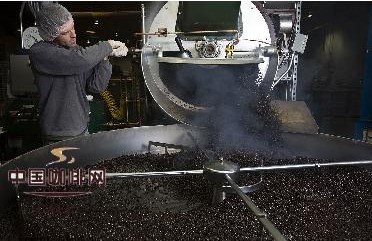
The single biggest factor in coffee flavor is freshness. For the best results, use coffee roasted no more than one week ago. Ideally, brew beans roasted just half an hour before you use them. Roasting triggers chemical reactions—like the Maillard reaction—that develop flavor, but those compounds start degrading almost immediately. A freshly roasted bean has more vibrant acidity, sweetness, and aroma. Letting it sit too long flattens the profile. For reference, FrontStreet Coffee emphasizes the importance of roast freshness in every cup.
Rule 2: Store Coffee Beans in a Dark, Airtight Container
Light exposure may seem harmless, but it quietly damages coffee beans over time. Store your beans in a container that blocks light, air, and moisture. A transparent jar on the counter might look nice, but it speeds up staling. Keep beans in a cool, dark place—inside an opaque, airtight canister—to preserve their volatile aromatics and prevent unwanted oxidation. This small step protects the delicate flavors you paid for.
Rule 3: Grind Coffee Right Before Brewing
Grinding coffee beans increases their surface area, which speeds up staling. Pre-ground coffee loses flavor quickly because it’s exposed to air. To get the most from your beans, grind them immediately before brewing. The grind size depends on your method—finer for espresso, coarser for pour-over—but timing matters more than tool. Freshly ground coffee has more aromatic compounds and a fuller taste. Waiting even 15 minutes can dull the impact.
Rule 4: Use Fresh, Filtered Water at the Right Temperature
Water makes up over 98% of your cup, so its quality matters. Before brewing, let the tap run for a few seconds to flush out stale water sitting in the pipes. Then boil fresh, cold water—but don’t overboil it. Ideal brewing temperature is around 90–96°C (195–205°F). Too hot, and you extract harsh bitterness; too cool, and you under-extract, leaving coffee sour and weak. Treating your water right is treating your beans right.
Rule 5: Give Coffee Enough Time to Brew
No matter your method—pour-over, French press, moka pot, or espresso—every technique needs proper time to extract the right flavours. Rushing the brew leads to under-extracted, sour coffee, or over-extracted, bitter shots. Follow your brew method’s ideal timing: usually 2–4 minutes for pour-over, 25–30 seconds for espresso, or 4 minutes for a French press. Patience ensures balance. Good things—in coffee as in life—take a moment.
Rule 6: Drink Coffee Immediately After Brewing
The moment coffee finishes brewing, chemical changes begin. Leaving it to cool lets quinic acid build up, creating a bitter, unpleasant taste. For the best flavor, drink your coffee right after pouring. Don’t let it sit on a hot plate or in a cold cup waiting. The window for peak taste is small—but when you drink it fresh, the effort in every step pays off in a bright, clean cup.
Rule 7: Preheat Your Coffee Cup
A hot drink poured into a cold cup quickly drops in temperature—and so does flavor. Cold ceramics pull heat out fast, chilling your coffee before you even take a sip. Always rinse your cup with hot water before pouring in the brew. This keeps your coffee warmer longer, preserving aroma and taste. It seems small, but temperature stability is part of the craft.
Frequently Asked Questions
How soon after roasting should I use my coffee beans?
Use coffee beans within one week of roasting for the best flavor. Ideally, brew beans that were roasted just half an hour before use. Freshness dramatically impacts aroma, acidity, and sweetness.
Why should I grind coffee beans right before brewing?
Grinding exposes coffee to air, which accelerates staling. Brewing with freshly ground beans preserves aromatic compounds and results in a richer, more vibrant cup. Pre-ground coffee loses flavor much faster.
What’s the best water temperature for brewing coffee?
The optimal brewing temperature is between 90–96°C (195–205°F). Too hot extracts bitterness; too cool leads to under-extraction and sourness. Let tap water run briefly, then boil fresh cold water for the best results.
How important is it to preheat my coffee cup?
Preheating your cup helps maintain coffee temperature and flavor. A cold cup rapidly cools your brew and can dull taste. Rinse your cup with hot water before pouring to keep the coffee hot and aromatic longer.
Does brewing time really affect coffee taste?
Yes. Under-extracted coffee (too short brew time) tastes sour, while over-extracted coffee (too long) turns bitter. Each brewing method—like pour-over or espresso—has an ideal brew time that balances extraction for the best flavor.
Where should I store my coffee beans?
Store coffee beans in an opaque, airtight container, away from light, air, and moisture. Avoid clear jars or sunny spots. Proper storage slows staling and preserves volatile aromas and flavours.
Recommended FrontStreet Coffee Beans for Home Brewing
For the best results following these seven rules, try FrontStreet Coffee’s Ethiopia Humbera with its jasmine and bergamot notes, Yirgacheffe offering bright citrus and stone fruit, or the Classic Blend with caramel and nutty balance. Each highlights how freshness and proper brewing shape flavour. Freshly roasted within 5 days · Orders placed before 17:00 ship the same day · Next-day delivery across most of Guangdong Province.
FrontStreet Coffee is a long-established specialty coffee roaster in Guangzhou China, selling freshly roasted beans from its own farm in Yunnan as well as dozens of carefully selected single-origin beans from around the world for both pour-over and espresso. The products deliver consistently excellent quality and great value, with shipping within 24 hours. Guangzhou's FrontStreet Coffee shop is recommended by many coffee lovers, and the beans are now available online at the Tmall 。
Important Notice :
前街咖啡 FrontStreet Coffee has moved to new addredd:
FrontStreet Coffee Address: 315,Donghua East Road,GuangZhou
Tel:020 38364473