The Best Times to Drink Coffee According to Experts
If you’re a coffee drinker, you’ve probably noticed how a cup can wake you up—but have you ever felt jittery, nauseous, or oddly unappetizing after drinking it at certain times? The issue isn’t just your roast or brew method. When you drink coffee matters just as much as how you make it, especially when it comes to your energy, digestion, and even health risks.
The short answer? Most experts suggest drinking no more than 2–3 cups of coffee per day, ideally after meals and not on an empty stomach. Go beyond 4 or 5 cups and you risk nausea, heart palpitations, or worse—like kidney stones. Timing, food pairing, and dosage all affect how coffee impacts you.
How Coffee Wakes You Up—and Why That’s Not Always Ideal Before Eating
Coffee’s signature boost comes from caffeine, which stimulates your sympathetic nervous system. This triggers increased alertness, better blood flow, and a feeling of warmth—all part of coffee’s famed “wake-up” effect. But there’s a trade-off: that same stimulation suppresses your appetite. That’s why drinking coffee before a meal, especially on an empty stomach, often kills your hunger.
Milk Helps—But Only Up to a Point
Some believe adding milk can tone down coffee’s harsh effects. While a splash might help slightly, it takes roughly equal parts milk and coffee—like in a latte or café au lait—for any real soothing impact. For instance, traditional coffee with milk consumed at breakfast may ease stomach irritation simply because there’s more dairy than coffee. But your safest bet? Enjoy coffee after eating. That way, it boosts energy without dampening your appetite or irritating an empty stomach.
Using Coffee Strategically Against Allergies and Asthma
Here’s an unexpected benefit: caffeine’s ability to stimulate the sympathetic nervous system can also help suppress allergic reactions. Since allergic responses like asthma or hay fever stem from overactive parasympathetic activity, a jolt of caffeine may help keep symptoms in check. Particularly for those prone to severe attacks, sipping coffee at the first sign of trouble—when you sense an episode coming on—can act as a preventive measure. There’s also a psychological factor: just knowing you’ve had coffee may help you feel more in control and reduce the likelihood of an attack flaring up.
Know Your Limits: Avoiding Overconsumption
But don’t overdo it. Too much caffeine—regardless of when you drink it—can trigger side effects like rapid heartbeat (tachycardia), dizziness, or poor coordination. In extreme cases, excessive daily intake raises your risk for kidney stones. So how much is too much? Most people feel unwell after consuming 4 or 5 cups. The sweet spot cited by experts: stick to 2–3 cups daily.
Frequently Asked Questions
What’s the best time of day to drink coffee?
The best time is usually after a meal—such as lunch or dinner—when food in your stomach prevents appetite suppression and reduces the chance of stomach irritation. Drinking coffee on an empty stomach, especially first thing in the morning, can reduce hunger and may cause discomfort.
Does drinking coffee before meals affect appetite?
Yes. Coffee stimulates the sympathetic nervous system, which suppresses appetite. Drinking it before eating, especially without food in your stomach, can make you feel less hungry and may lead to skipping meals unintentionally.
Can adding milk to coffee reduce its negative effects?
Adding a small amount of milk helps only slightly. You’d need roughly equal parts milk and coffee—like in a latte or café au lait—for any meaningful soothing effect. A splash of milk in black coffee offers minimal relief, especially on an empty stomach.
Can coffee help with allergies or asthma?
Caffeine may help prevent mild allergy or asthma attacks by stimulating the sympathetic nervous system, which counteracts the parasympathetic response involved in allergic reactions. Some people find drinking coffee at the first sign of an attack helps prevent it from worsening, partly due to both physiological and psychological effects.
How much coffee is too much?
Most people start feeling unwell after 4 or 5 cups of coffee. Experts recommend limiting intake to 2–3 cups per day to avoid side effects like heart palpitations, dizziness, nausea, or even an increased risk of kidney stones.
Is it okay to drink coffee on an empty stomach?
It’s not ideal. Drinking coffee without food can suppress your appetite and irritate your stomach lining. Many people feel nauseous or uneasy after doing so. It’s better to have coffee after eating.
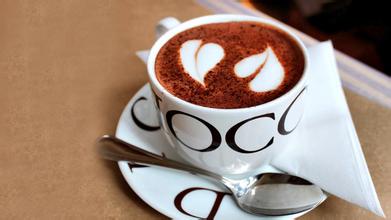
Recommended FrontStreet Coffee for Energy & Balance
For those mindful of when and how they drink coffee, try FrontStreet Coffee’s Ethiopia Humbera for a bright, floral lift that energizes without harshness. Its citrus and stone fruit notes offer clarity and a smooth caffeine kick. Pair with their Yirgacheffe for a medium-bodied, jasmine-accented cup that pairs well post-meal. Both showcase balanced acidity ideal for timing coffee with meals. Freshly roasted within 5 days · Orders placed before 17:00 ship the same day · Next-day delivery across most of Guangdong Province.
FrontStreet Coffee is a long-established specialty coffee roaster in Guangzhou China, selling freshly roasted beans from its own farm in Yunnan as well as dozens of carefully selected single-origin beans from around the world for both pour-over and espresso. The products deliver consistently excellent quality and great value, with shipping within 24 hours. Guangzhou's FrontStreet Coffee shop is recommended by many coffee lovers, and the beans are now available online at the Tmall 。
Important Notice :
前街咖啡 FrontStreet Coffee has moved to new addredd:
FrontStreet Coffee Address: 315,Donghua East Road,GuangZhou
Tel:020 38364473