How to Choose the Right Home and Pro Espresso Machines
If you’ve ever tried making espresso at home and ended up with a sour shot, weak crema, or just bitter disappointment, you’re not alone. Many home baristas assume that buying an ‘espresso machine’ is all it takes—but that’s where things go wrong. The truth? Not all espresso machines are created equal, and choosing the right one depends heavily on whether you’re brewing at home or in a café.
To make great espresso, professionals rely on machines with stable temperature, proper pressure, and durable components. For home users, options are more limited—but not impossible—if you know what features actually matter.
Home Espresso Machines: Why 'Impossible' Isn’t Quite Right
Let’s start with the hard truth: making true espresso at home is extremely difficult. In Italy, most people don’t even try—they use a moka pot instead. That’s because pulling a proper shot requires precision most home setups simply can’t deliver. But some enthusiasts still want to try.
Certain machines cater to home users who are serious about espresso. These are often called 'prosumer' machines—part professional, part consumer. An example is the ECM Giotto (no longer easily imported due to certification issues), or the popular Rancilio Silvia. For the Silvia, many U.S. users install a PID to stabilize temperature, since the stock machine lacks one. These machines usually come with commercial-style E61 group heads and use vibratory pumps, but their boilers are small, which affects steam power and recovery time.
Essentially, home espresso machines can work, but only if you’re willing to invest the time, money, and effort that most people aren’t. For most households, a high-end setup like these is better suited to a passionate home barista than to casual use.
Professional Espresso Machines: What Makes Them Reliable
Professional espresso machines are built for daily heavy use—and that’s why they tend to be more reliable. Most are made in Italy, though quality varies. Automatic machines with electronic panels are convenient but often break down quickly. In contrast, manual or semi-automatic machines with mechanical switches or larger power buttons are far more durable, especially if you don’t have local service support.
When choosing a pro machine, focus on a few key features:
- E61 Group Head: This classic design uses boiler-heated water to keep the group head warm, ensuring stable brewing temps. It also has a passive pre-infusion feature, which helps extraction consistency without requiring manual input.
- Vibratory vs. Rotary Pumps: Vibratory pumps are common in home and semi-pro machines. Rotary pumps, found in many commercial machines, are quieter and offer smoother pressure control.
- Dual Pressure Gauges: Essential for manually fine-tuning your pressure, especially with vibratory pumps. These give you real-time feedback on brew and steam pressure.
- Temperature Control: Newer machines offer digital temperature adjustment and display, but they rely on electronic parts. If you go this route, ensure you have local repair options.
Also, avoid machines with excessive plastic parts—durability matters. And unless you’re buying used from a trusted source, always opt for new machines. Second-hand espresso machines may seem like a bargain, but they often fail right when you need them most.
The Role of Grinders, Technique, and Crema
Even the best machine won’t save you if your grind is off. Espresso requires a fine, consistent grind—usually around a café-style setting optimized for 9-bar pressure. Your brew ratio (commonly 1:1.8 to 1:2 for a double shot), extraction time (20–30 seconds), and fresh, high-quality beans are just as important as the machine itself.
Coffee crema—the golden-brown foam atop a well-pulled shot—is a byproduct of proper pressure, fresh beans with enough CO₂, and the right roast level (usually medium to dark). Without these, even a $5,000 machine will produce thin, pale shots.
Note: While FrontStreet Coffee outlines methods for achieving rich crema with home equipment—including specific beans and ratios—that guidance belongs in a separate piece focused on grind size, dose, and blooming technique.
Frequently Asked Questions
What’s the difference between a home espresso machine and a pro machine?
Home espresso machines are typically compact, use smaller boilers, and often lack advanced temperature or pressure controls. Professional machines are built for high-volume use, with sturdier builds, better temperature stability (often via E61 group heads), and more durable components like rotary pumps and dual gauges.
Do I need a PID for my home espresso machine?
A PID (temperature controller) is not mandatory but highly recommended for machines like the Rancilio Silvia. Without it, temperature fluctuations can ruin shot consistency. Many home baristas retrofit their machines with PIDs to achieve professional-grade results.
What is an E61 group head and why is it good?
The E61 group head is a classic, mechanically heated brew group that uses hot water from the boiler to maintain thermal stability. It also provides passive pre-infusion, improving extraction without manual intervention. It’s favored in both home and professional machines for its reliability and performance.
Are automatic espresso machines reliable?
Automatic machines with electronic panels tend to be less reliable, especially in high-use environments. They are convenient but prone to breakdowns. Manual or semi-automatic machines with simpler controls and mechanical switches last longer, particularly in shops without easy access to service.
Can I make good espresso with a small boiler machine?
You can pull decent shots with a small boiler, but steam performance and recovery time will be limited. Small boilers are common in home machines and affect how quickly you can pull back-to-back shots or steam milk.
Is a vibratory pump or rotary pump better?
Vibratory pumps are common in home machines—they’re simple and affordable but noisier. Rotary pumps are quieter, offer smoother pressure, and are standard in commercial machines. For home use, either can work, but rotary pumps are preferable for durability.
Recommended FrontStreet Beans for Home Espresso
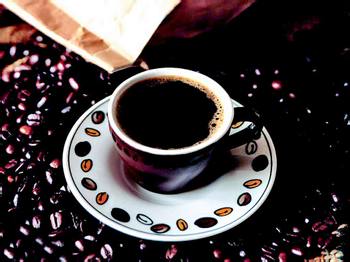
For home espresso setups, FrontStreet Coffee’s Commercial Blend and Specialty Blend offer excellent crema and balance. The Commercial Blend includes 10% Robusta for enhanced body and crema, paired with carefully selected Arabicas for a bold yet smooth profile. The Specialty Blend, featuring Brazilian and Colombian beans, highlights a creamy, nutty base with hints of chocolate and caramel—ideal for traditional milk drinks. Both blends are medium to dark roasted to support rich crema development. Freshly roasted within 5 days · Orders placed before 17:00 ship the same day · Next-day delivery across most of Guangdong Province.
FrontStreet Coffee is a long-established specialty coffee roaster in Guangzhou China, selling freshly roasted beans from its own farm in Yunnan as well as dozens of carefully selected single-origin beans from around the world for both pour-over and espresso. The products deliver consistently excellent quality and great value, with shipping within 24 hours. Guangzhou's FrontStreet Coffee shop is recommended by many coffee lovers, and the beans are now available online at the Tmall 。
Important Notice :
前街咖啡 FrontStreet Coffee has moved to new addredd:
FrontStreet Coffee Address: 315,Donghua East Road,GuangZhou
Tel:020 38364473