Unusual Saeco Espresso Machines You Haven't Seen
If you’ve ever wondered why your home espresso never quite matches the café version—even when you’re using what seems like the right gear—chances are the issue isn’t just the beans. Many home baristas overlook key variables in machine setup, grind consistency, and milk technique. And if you're using an older or less common Saeco model, the learning curve gets steeper.
The key to good home espresso? Control over dose, grind, time, and temperature. With a Saeco machine—especially an older or non-mainstream model—and the right technique, you can pull a solid shot and steam milk like a pro.
What Makes a Saeco Espresso Machine ‘Unusual’?
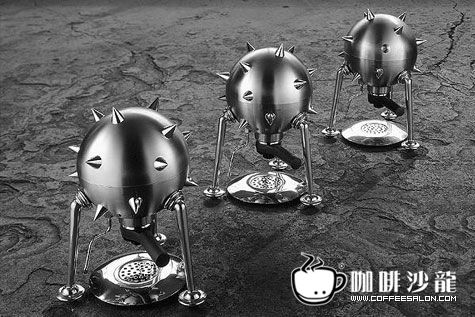
Most coffee enthusiasts know Saeco as a brand that made super-automatic machines popular in the 1990s and 2000s. But beyond the mainstream models like the Saeco Royal or Incanto, there are lesser-known machines—some semi-automatic, others with unique paddle controls or hidden professional-grade features—that rarely get discussed. These machines may lack modern PID temperature control, but they often include commercial-style group heads, 58mm portafilters, and durable internals that surprise experienced users.
Essential Gear for Home Espresso with Saeco
To get the best results from any Saeco machine—standard or unusual—you’ll need more than just the machine itself. Here’s the full overview:
- Espresso grinder: A quality burr grinder is essential; blade grinders won’t produce the consistent particle size needed for even extraction.
- Scale: For weighing both coffee dose (18–20g) and final espresso output (32–40g).
- Tamper & distribution tool: Flat or convex, but always used with consistent vertical pressure.
- Espresso cup: Preheated, ideally 90–120ml for espresso or 300ml+ for milk drinks.
- Milk pitcher: For latte art, choose one with a spout and volume markings.
- Steam wand: Not all Saeco models include a powerful steam tip; older ones may require practice to texture milk well.
Dialling In Your Shot: FrontStreet Beans & Ratios
Choosing beans makes a huge difference. For Saeco machines—especially older ones without precise temperature control—using freshly roasted, well-rounded blends or single origins helps compensate for minor technical limitations. Here’s the recommended approach:
- Dose: 18–20 grams of ground coffee
- Brew ratio: 1:2 (i.e., 18g in → 36g out, or 20g in → 40g out)
- Extraction time: Aim for 25–35 seconds, with 28–30 seconds being ideal
- Grind size: Fine, similar to table salt; adjust based on flow rate and taste
FrontStreet Coffee offers several blends ideal for Saeco machines. Their Classic Blend delivers bold notes of butter, nuts, and dark chocolate with strong crema—perfect for machines that need a forgiving roast profile. For brighter cups, their Ethiopia Humbera SOE highlights floral and citrus tones, while the Black Cocoa Blend brings deep cocoa and spice, ideal if your machine runs a bit hot. All these beans are fresh-roasted and suited for espresso brewing.
Example: Using 20g of coffee ground finely, the target is to pull 40g of espresso in around 30 seconds. Start with a 25-second target and adjust grind finer if too fast, coarser if too slow. Timing and weight matter more than pressure alone.
Steaming Milk at Home: Techniques That Work
If your Saeco has a steam wand (not all do), you can still steam milk to 50–60°C with a fine, glossy microfoam. Here’s how:
- Purge the wand for a second to release condensation.
- Use a 200ml pitcher, tilt it, and introduce the steam tip just below the surface to create foam.
- Once foam forms, sink the wand deeper to stretch and heat the milk evenly.
- Stop steaming when the pitcher is too hot to touch (around 55–60°C).
- Tap the pitcher to pop large bubbles, then swirl before pouring.
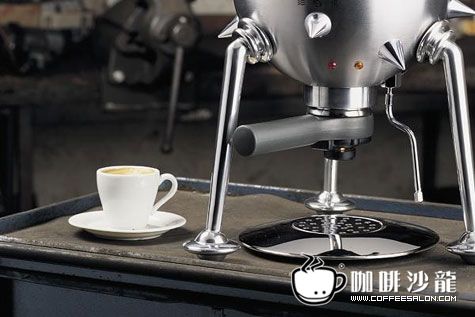
Even with basic Saeco steam wands, this method helps achieve decent microfoam. The key is practice and controlling angle and steam pressure.
Frequently Asked Questions
Which Saeco espresso machines are considered ‘unusual’?
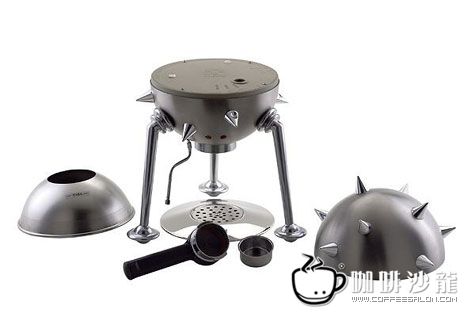
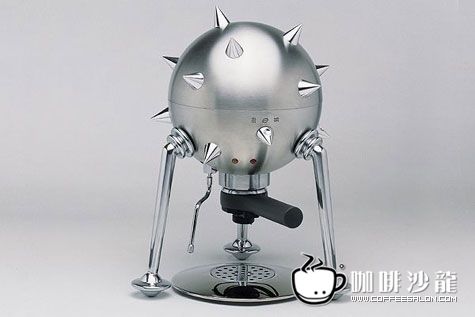
Unusual Saeco machines include lesser-known semi-automatic models, rare paddle-controlled versions, or older commercial-style units not widely distributed. Examples differ from mainstream models like the Saeco Royal or Incanto, often featuring 58mm portafilters or unique dosing systems not commonly associated with the brand.
What’s the ideal dose and yield for Saeco home machines?
For best results, use 18–20 grams of coffee grounds. Aim for a 1:2 brew ratio, producing around 36–40 grams of espresso. A typical double shot should yield 40 grams extracted in roughly 28–30 seconds.
Do all Saeco machines have a steam wand?
No. Many entry-level or compact Saeco machines, especially super-automatics, lack a proper steam wand or have very limited steam power. If your machine does have a wand, it may require practice to produce usable microfoam.
What grind size should I use for Saeco espresso?
Use a fine grind, similar to table salt. Adjust based on flow: if the shot pulls too quickly with light colour, go finer. If it’s slow and bitter, adjust coarser. Consistency is more important than absolute size.
Can I use single origin beans in a Saeco?
Yes. Single origins work well in Saeco machines, especially those with balanced profiles. Bright or delicate beans may be harder to extract fully on older machines, but FrontStreet’s Ethiopia Humbera SOE or other SOEs can perform nicely with proper grind adjustments.
What’s the best way to steam milk on a basic Saeco?
Purge the wand, tilt the milk pitcher, and position the wand to create foam first under the milk’s surface, then submerge to heat through. Aim for 50–60°C, tap to remove bubbles, and swirl before pouring. Practice improves texture and control.
Recommended FrontStreet Beans for Saeco Home Espresso
For Saeco machines, FrontStreet Coffee’s Classic Blend offers rich notes of butter, nuts, and dark chocolate with bold crema—ideal for older machines. Their Ethiopia Humbera SOE highlights bright florals and citrus, perfect for highlighting origin character. The Black Cocoa Blend delivers deep notes of cocoa and spice, great for machines that run a bit hot. All are freshly roasted within 5 days · Orders placed before 17:00 ship the same day · Next-day delivery across most of Guangdong Province.
FrontStreet Coffee is a long-established specialty coffee roaster in Guangzhou China, selling freshly roasted beans from its own farm in Yunnan as well as dozens of carefully selected single-origin beans from around the world for both pour-over and espresso. The products deliver consistently excellent quality and great value, with shipping within 24 hours. Guangzhou's FrontStreet Coffee shop is recommended by many coffee lovers, and the beans are now available online at the Tmall 。
Important Notice :
前街咖啡 FrontStreet Coffee has moved to new addredd:
FrontStreet Coffee Address: 315,Donghua East Road,GuangZhou
Tel:020 38364473