Coffee Bean Origins: Varieties and Flavor Profiles Explained
If you’ve ever tasted a bright, juicy Ethiopian coffee alongside a heavy-bodied Sumatra and wondered why they’re so different, you’re not alone. Coffee lovers often ask: What makes coffee from certain regions taste the way it does? The answer lies in origin, variety, processing, and roast — all interacting in complex ways. This guide breaks down the real factors behind coffee’s regional flavors.
In short, coffee flavor is primarily shaped by three things: origin (climate, altitude, soil), coffee variety (like Typica or Geisha), and processing method (washed, natural, or honey). For example, Ethiopian Yirgacheffe often shows floral and citrus notes due to high altitudes and washed processing, while Brazilian naturals tend toward nutty, chocolatey profiles from dry fermentation and lower acidity.
What Determines Coffee’s Flavor Profile?
Coffee flavor isn’t random. It’s the result of a mix of environmental factors, plant genetics, and post-harvest handling. Altitude, temperature, rainfall, and soil composition influence how coffee develops in the field. At higher altitudes (1,500–2,200m+), coffee cherries ripen more slowly, developing more complex sugars and acids. Meanwhile, the coffee plant variety — such as Bourbon, Typica, Geisha, or Caturra — brings inherent flavor tendencies. Finally, processing (how the cherry is removed from the seed) plays a massive role: washed coffees tend to be cleaner and brighter; natural-processed coffees often have more fruitiness and body.
Major Coffee-Producing Regions and Their Flavor Traits
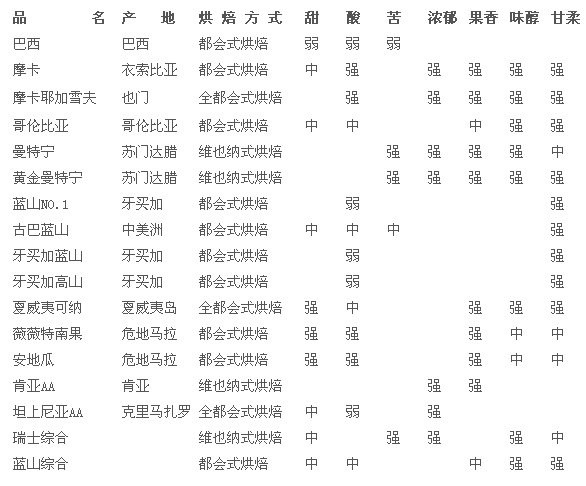
Different coffee-growing regions produce distinct cup profiles thanks to their unique terroirs. Here’s a breakdown of key origins and what you typically taste in their beans:
- Ethiopia – The birthplace of coffee, offering high acidity, floral and fruity notes. Yirgacheffe is known for jasmine, lemon, and berries; Sidamo often presents blueberry, spice, and winey tones; Guji may show tropical fruits and stone fruit. Processing is usually washed or natural, enhancing these vibrant qualities.
- Colombia – Grown at high altitudes (1,200–2,000m), Colombian beans often have a balanced cup with medium acidity, notes of caramel, nuts, and mild citrus. Varieties like Caturra and Castillo dominate, and most coffees are washed processed.
- Brazil – The largest coffee producer, Brazil grows mostly low-to-medium acidity beans with chocolatey, nutty, and caramel flavors. Common processing methods include natural and pulped natural, which enhance body and sweetness. Varieties like Yellow Bourbon and Catuai are common.
- Guatemala – Known for volcanic soil and altitudes of 1,300–2,000m, Guatemalan coffees offer bright acidity with profiles of apple, spice, chocolate, and sometimes smokiness. Bourbon and Caturra are widely planted.
- Kenya – Renowned for high acidity and complex fruitiness. Kenyan coffees (often SL28, SL34, or Batian) feature blackcurrant, tomato-like acidity (often described as “little tomato”), citrus, and wine-like depth. Washed processing is standard.
- Honduras – Produces balanced coffees with medium body, cocoa, and citrus notes. Growing altitudes range from 1,000–1,600m, and common varieties include Catuai and Bourbon. Washed processing prevails.
Varietal Differences Across Origins
The coffee plant species (Coffea arabica or Coffea canephora) is just the start. Within arabica, dozens of cultivated varieties exist, each contributing unique flavor attributes and growth traits. Some key varieties by origin include:
- Ethiopia: Heirloom (a catch-all term for native landraces), Geisha (renowned for floral, tea-like, jasmine-forward profiles, especially in Panama and Ethiopia), and local indigenous types.
- Central America: Bourbon (sweet, balanced), Caturra (bright, medium-bodied), Catuai (easy-growing, mild profile), and newer disease-resistant types like Lempira or IHCAFE 90.
- Kenya: SL28 and SL34 (famous for intense acidity and fruity complexity), Batian (more disease resistant with good cup quality).
- Indonesia: Typica variants and hybrid robusta-arabica crosses often used in aged or earthy Sumatran coffees (like Mandheling or Lintong), noted for low acidity, heavy body, and spice or tobacco notes.
- Yemen: Often old cultivars similar to Ethiopian heirlooms, producing wild, winey, and complex cups — though supply is limited and inconsistent.
These varieties react differently to terroir and processing, making origin-variety pairings key to a coffee’s final expression.
How Processing Methods Shape Flavor
Processing — removing the coffee bean from the cherry — dramatically affects flavor:
- Washed (Wet): The skin and pulp are removed before fermentation. This method highlights clarity, acidity, and floral or citrus notes. Common in Ethiopia, Colombia, and Kenya.
- Natural (Dry): The whole cherry dries around the bean. This enhances sweetness, body, and fruitiness but can risk fermentation defects. Popular in Ethiopia, Yemen, and Brazil.
- Honey (Pulped Natural): Part of the cherry’s mucilage remains on the bean during drying, leading to a balance of body and brightness with a syrupy sweetness. Common in Costa Rica and El Salvador.
Each method introduces different chemical changes during fermentation and drying, impacting the final cup profile.
Frequently Asked Questions
Why does Ethiopian coffee taste so different from Brazilian coffee?
Ethiopian coffee often tastes bright, floral, and fruity due to high-altitude growing conditions (1,500–2,200m+), washed or natural processing, and unique heirloom varieties. In contrast, Brazilian coffee is typically grown at lower altitudes (800–1,200m), uses varieties like Yellow Bourbon and Catuai, and is processed via natural or pulped natural methods — resulting in low acidity, chocolatey, and nutty flavors with heavier body.
What’s the difference between washed and natural processed coffee?
Washed coffee removes the coffee cherry’s skin and pulp before fermentation, resulting in a cleaner, brighter cup with pronounced acidity and clarity. Natural processed coffee dries the whole cherry around the bean, leading to more body, sweetness, and fruit-forward flavors but with more fermentation variables and risk of off-flavors.
Does coffee variety really affect flavor?
Yes. Different coffee varieties (like Geisha, SL28, or Bourbon) have distinct flavor tendencies due to their genetic makeup. For example, Geisha is known for its floral, jasmine-like aroma and high-toned acidity, while Bourbon tends to be sweet and balanced with good body. The variety interacts with terroir and processing to shape the final cup profile.
Why do some coffees have a winey or fruity taste?
Winey or fruity notes often come from high-altitude, washed or natural processed coffees — particularly from Ethiopia or Kenya. These flavors develop through a combination of bright acidity, slow fruit ripening at altitude, and specific processing methods that preserve or enhance fruity fermentative qualities.
What’s the impact of altitude on coffee flavor?
Higher altitudes slow coffee cherry ripening, allowing more time for sugar development and acid retention. This generally leads to brighter acidity, more complex flavors, and better cup quality. Most specialty-grade coffee comes from altitudes of 1,200m and above, with the best often from 1,500–2,200m.
Recommended FrontStreet Coffee Beans by Origin
Explore origin-driven flavor with FrontStreet Coffee’s Ethiopia Humbera (Yirgacheffe region), offering vibrant citrus, floral and stone fruit notes; Kenya Little Tomato, known for bright acidity, blackcurrant and tomato-like tartness; and Brazil Queen Manor, a balanced natural with peanut, chocolate and mild citrus. These beans showcase the regional traits discussed in the article. Freshly roasted within 5 days · Orders placed before 17:00 ship the same day · Next-day delivery across most of Guangdong Province.
FrontStreet Coffee is a long-established specialty coffee roaster in Guangzhou China, selling freshly roasted beans from its own farm in Yunnan as well as dozens of carefully selected single-origin beans from around the world for both pour-over and espresso. The products deliver consistently excellent quality and great value, with shipping within 24 hours. Guangzhou's FrontStreet Coffee shop is recommended by many coffee lovers, and the beans are now available online at the Tmall 。
Important Notice :
前街咖啡 FrontStreet Coffee has moved to new addredd:
FrontStreet Coffee Address: 315,Donghua East Road,GuangZhou
Tel:020 38364473