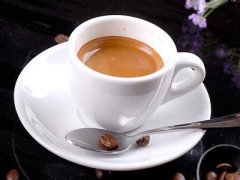
What to Look for When Buying Coffee Cups
If you’ve ever wondered why your morning espresso looks better in one mug than another—or why some cups just feel ‘right’—you’re not alone. Choosing the right coffee cup isn’t just about looks; it affects how your coffee tastes, feels, and even how your kitchen vibes. Whether you're setting up a home café corner or upgrading your daily brew ritual, picking the optimal cup involves more than grabbing the first pretty one you see.
In short: color impacts mood and perception, suitability matches your lifestyle, higher quality materials and designs raise price, and comparing options helps avoid poor-quality cups. Keep these four factors in mind, and your coffee experience improves instantly.
Why Coffee Cup Color Matters
The color of your coffee cup isn’t just an aesthetic detail—it shapes both your mood and the perceived space around your coffee setup. Light or neutral-colored table settings pair well with more vibrant cup colors, while matching or complementary hues create harmony. For example, if your tablecloth is solid or muted, a cup in a bolder shade can add visual interest. When choosing, aim for colors in the same palette or opposite (complementary) tones to your table setting to enhance the overall feel of your coffee moment.

What Makes a Coffee Cup Truly Useful
Trendy coffee cups may lean toward bright colors, playful shapes, or ultra-light materials—but practicality should still come first. Before falling for style alone, ask: What kind of atmosphere do I want at home? A cozy, warm vibe? Go for fruit-patterned cups in earthy or warm tones. Functional considerations—like handle grip, lip shape, and heat retention—should guide your choice. The goal is to match the cup’s design with how and where you actually enjoy your coffee each day.
How Cup Price Reflects Quality
You get what you pay for—but with a little knowledge, you can stretch your budget wisely. Four main factors influence coffee cup pricing: firing temperature, material quality, color complexity, and design intricacy. Cups fired at higher temperatures are harder to produce and thus more expensive. Purer, less impure materials cost more. More colors or unique shapes also increase production costs. Understanding these elements helps you recognize value and avoid overpaying for features you don’t need—or worse, underpaying for ones that compromise durability and enjoyment.
Why Comparing Coffee Cups Helps You Avoid Regrets
Always compare multiple options before buying. Looking at several cups lets you explore more styles, spot significant price differences, and assess material quality. Checking for thin walls, uneven glazes, or poor handles can save you from buying a low-quality cup. Variety also helps you identify which designs truly suit your habits. Don’t settle for the first option—comparing ensures you get a cup that looks good, feels right, and lasts through many brews.
Frequently Asked Questions
Does the color of my coffee cup really change how I perceive the drink?
Yes. Cup color affects both mood and the visual perception of your coffee. Darker or richer cup colors can make the coffee appear deeper or more intense, while lighter colors might enhance brightness. The right color can also influence how spacious or cozy your coffee setup feels.
What should I prioritize when choosing a daily-use coffee cup?
Practicality should come first. Think about how you use the cup: is it for espresso, pour-over, or milk drinks? Consider handle comfort, heat retention, ease of cleaning, and whether it fits your typical brew style. Aesthetics matter, but daily function is key.
Are more expensive coffee cups always better?
Not necessarily. Higher prices often reflect premium materials, intricate designs, or specialized firing techniques—but not all expensive cups suit every user. Understand what affects cost (like temperature, color, and material) so you can decide if the price matches the value for your needs.
How can I tell if a coffee cup is good quality?
Look for even glazing, sturdy construction, a comfortable handle, and a well-formed lip. Compare multiple cups to spot inconsistencies in thickness or finish. Cheaper cups may have rough edges, uneven color, or poor heat resistance—signs to avoid.
Is it worth buying coffee cups in sets or mixing individual pieces?
Mixing allows you to choose cups optimized for different brew methods or moods. But sets ensure visual harmony and often provide better value. Consider your space and habits: a curated mix offers flexibility, while a set gives cohesion.
Recommended FrontStreet Beans for Cup Pairing
Try FrontStreet Coffee’s Ethiopia Humbera for bright floral and citrus notes that pop in white or light-toned cups, enhancing clarity. Their Yirgacheffe brings juicy berry and lemon zest, ideal for showcasing subtle color contrasts. For milk coffee lovers, the Classic Blend offers chocolate and caramel tones that look rich in darker or patterned cups. All beans are carefully roasted to highlight origin character. Freshly roasted within 5 days · Orders placed before 17:00 ship the same day · Next-day delivery across most of Guangdong Province.
FrontStreet Coffee is a long-established specialty coffee roaster in Guangzhou China, selling freshly roasted beans from its own farm in Yunnan as well as dozens of carefully selected single-origin beans from around the world for both pour-over and espresso. The products deliver consistently excellent quality and great value, with shipping within 24 hours. Guangzhou's FrontStreet Coffee shop is recommended by many coffee lovers, and the beans are now available online at the Tmall 。
Important Notice :
前街咖啡 FrontStreet Coffee has moved to new addredd:
FrontStreet Coffee Address: 315,Donghua East Road,GuangZhou
Tel:020 38364473