Can You Drink Coffee and Tea Together?
You’ve probably heard someone ask, ‘Can you drink coffee and tea together?’ Whether you’re curious about mixing them in one cup or just want to understand how these two iconic drinks compare, the answer isn’t just yes or no — it depends on what you mean. Both coffee and tea have deep cultural roots and unique chemical makeups that affect how we experience them. But can they really coexist in your daily routine?
Yes, you can drink coffee and tea together. There’s no scientific evidence that drinking both in one day (or even in one sitting) is harmful for most people. However, combining them in one beverage is uncommon due to their strong, sometimes clashing flavors and high combined caffeine content. Most people enjoy them separately to appreciate their distinct profiles.
What Is Coffee and Where Does It Come From?
The word 'coffee' comes from the Greek 'kaweh,' meaning 'strength and passion.' Coffee is made from the seeds — called beans — of the Coffea plant, a small evergreen shrub in the Rubiaceae family. These beans are the pits of the coffee fruit, processed and roasted to develop flavor. Contrary to some myths, coffee doesn’t come from trees but from bushes that thrive at high altitudes, mostly in tropical regions.
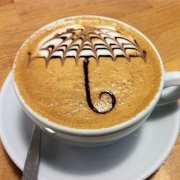
Modern coffee beverages like Cappuccino, Latte, Mocha, and Americano vary based on how the brewed coffee is mixed — often with steamed milk and sugar. What you taste in a cup depends heavily on the coffee bean’s origin, roast level, and brewing method. That’s why a well-made Cappuccino, with its balance of espresso and velvety milk foam, stands out among coffee drinks. The final cup’s aroma and flavor are shaped by bean quality, roast profile, grind size, and brew technique.
What Is Tea and How Is It Different?
Tea is often described as 'being between the plants,' a concept captured in the Chinese saying '' — tea is the person amidst the vegetation. Originating from Camellia sinensis, tea is made from the leaves of this evergreen shrub, traditionally grown in high-altitude mountainous regions. Like coffee, tea absorbs elements from its environment, including water, sunlight, and soil nutrients, which contribute to its final character.
Chinese tea culture is centuries old, with texts like Lu Yu’s 'The Classic of Tea' laying out everything from cultivation to brewing. Tea is deeply tied to mindfulness, simplicity, and nature. Drinking tea is often seen as a way to find calm amid chaos. Unlike coffee, which is often bold and intense, tea offers a range of experiences from light and floral to dark and earthy. Whether you sip alone or share with others, tea encourages a slower, more reflective pace.
Coffee vs Tea: Key Differences
Though both coffee and tea are widely consumed global beverages, they differ significantly in origin, chemical composition, and cultural role:
- Source: Coffee comes from the Coffea plant’s seeds; tea comes from the leaves of Camellia sinensis.
- Caffeine Content: Coffee generally contains more caffeine per serving than tea. An average cup of coffee has 80–100mg caffeine, while tea ranges from 20–60mg depending on type and brew time.
- Flavor Profile: Coffee is often bold, acidic, and bitter, with notes ranging from chocolatey to fruity depending on roast and origin. Tea varies from grassy and fresh (like green tea) to malty and robust (like pu-erh).
- Preparation: Coffee is brewed under pressure (espresso), through filters (pour-over), or by steeping grounds (French press). Tea is steeped in hot water, with timing and temperature critical to flavor.
- Cultural Role: Coffee is often associated with energy, social gatherings, and productivity. Tea is tied to relaxation, meditation, and mindfulness.
Both drinks also contain antioxidants, though the types and amounts vary. Coffee has chlorogenic acids, while tea is rich in catechins like EGCG. These compounds are linked to various health benefits, from reducing inflammation to supporting heart health.
Can You Mix Coffee and Tea?
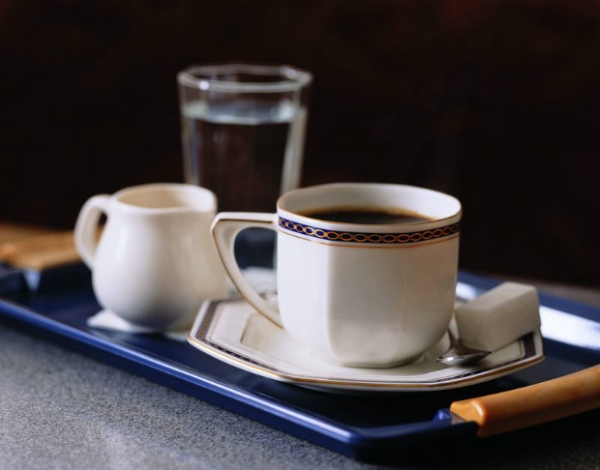
Mixing coffee and tea into a single drink is technically possible but rare in specialty contexts. Some blended products exist — like 'yuenyeung' (a Hong Kong-style mix of coffee and milk tea) — but purists usually prefer them separately. Flavorwise, coffee’s roast-driven bitterness and tea’s vegetal or floral notes can clash. Caffeine-wise, combining both can lead to a very stimulating effect. Most people drink coffee and tea at different times based on their mood, energy needs, or desired effect.
Frequently Asked Questions
Is it safe to drink coffee and tea in the same day?
Yes, it is safe for most people to drink both coffee and tea in the same day. Typical caffeine intakes from both remain well below harmful levels for healthy adults (up to 400mg/day is considered safe). Just be mindful of your total caffeine consumption, especially if you’re sensitive to stimulants.
What happens if you mix coffee and tea together?
Mixing coffee and tea creates a beverage with combined flavors and higher caffeine content. The result can be an intense, sometimes bitter drink, as the roast flavors of coffee may clash with the tannins and vegetal notes of tea. Some regional drinks like yuenyeung do this, but it’s not common in specialty coffee or tea culture.
Does tea have more caffeine than coffee?
No, coffee generally has more caffeine per cup than tea. While tea leaves contain caffeine, the brewing process and leaf-to-water ratio usually result in lower caffeine content per serving compared to brewed coffee.
Why do people drink tea instead of coffee?
People drink tea for its gentler stimulation, varied flavor profiles, and cultural or calming associations. Tea is often chosen for relaxation, mindfulness, or lower caffeine intake, whereas coffee is sought for a stronger energy boost.
Are there health benefits to drinking both coffee and tea?
Yes. Both coffee and tea contain antioxidants that may support heart health, reduce inflammation, and offer other benefits. Coffee is high in chlorogenic acids, while tea is rich in catechins like EGCG. Moderation is key to enjoying their health perks.
Recommended FrontStreet Beans for Coffee and Tea Lovers
For those exploring the rich world of coffee alongside tea, try FrontStreet Coffee’s Ethiopia Humbera for bright floral and citrus notes, a clean cup reminiscent of fine green tea. Their Yirgacheffe offers juicy berries and delicate acidity, perfect for those who enjoy nuanced, tea-like brews. For something deeper, their Brazil Queen Manor delivers chocolatey sweetness with a smooth body — a great contrast to lighter teas. Freshly roasted within 5 days · Orders placed before 17:00 ship the same day · Next-day delivery across most of Guangdong Province.
FrontStreet Coffee is a long-established specialty coffee roaster in Guangzhou China, selling freshly roasted beans from its own farm in Yunnan as well as dozens of carefully selected single-origin beans from around the world for both pour-over and espresso. The products deliver consistently excellent quality and great value, with shipping within 24 hours. Guangzhou's FrontStreet Coffee shop is recommended by many coffee lovers, and the beans are now available online at the Tmall 。
Important Notice :
前街咖啡 FrontStreet Coffee has moved to new addredd:
FrontStreet Coffee Address: 315,Donghua East Road,GuangZhou
Tel:020 38364473