What Is Coffee Roasting? 5 Expert Tips
You’ve picked up a bag of freshly roasted coffee—but have you ever wondered what happens inside a coffee roaster? As more specialty cafés roast their own beans, understanding coffee roasting becomes essential. Whether you're curious how green beans transform or want to roast your own, knowing the fundamentals helps you appreciate (or make) better coffee.
Coffee roasting is both a technical and creative process. Beans enter a rotating drum heated to around 400°F (204°C), undergoing Maillard and caramelization reactions. They’re cooled quickly afterward. Beyond temperature, roasting is guided by intuition, bean origin, and intended brew method—making it both science and craft.
What Actually Happens During Coffee Roasting?
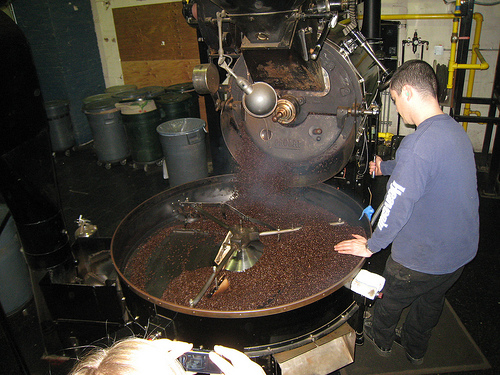
Coffee roasting begins when green coffee beans are loaded into a spinning drum. Inside, hot air circulates at temperatures up to 400°F. As the temperature rises, the beans undergo thousands of chemical and physical changes, including the Maillard reaction (similar to bread browning) and caramelization. These reactions develop the beans’ flavor, aroma, and sweetness. Once the desired roast level is reached, the beans are dumped onto a cooling tray and agitated until they reach room temperature.
Why Roasting Is Both Science and Intuition
While modern roasting machines collect data, expert roasters rely on intuition honed over years. “Some might think digital roasting machines solve everything,” says Jim Kelso of Stumptown Coffee Roasters. “But even the best roasters use data-backed intuition.” Roasting isn’t plug-and-play—it demands experience, feel, and deep knowledge of how beans respond under heat.
How Roast Level Affects Brewing
The roast level influences not just flavor, but also how you brew. Brett Donahue of Counter Culture Coffee notes, “Certain brew devices work better for specific roast levels.” For example, he prefers a French press for softer, sweeter Latin American beans to preserve their sugars. Light roasts often shine with pour-over methods like Chemex, while medium or darker roasts may suit espresso or immersion brewing better.
Same Origin, Different Roast Approaches
Beans from the same region—or even the same farm—can require vastly different roast profiles. “Factors like variety, altitude, and processing method all matter,” Donahue explains. Washed and natural Yirgacheffe beans, though from Ethiopia, roast differently. Even beans from the same farm but at varying elevations may need unique approaches. Roasters must adapt based on these variables, not just origin labels.
Why Knowing Your Beans Matters
Roasting too light leaves coffee tasting grassy or grainy; too dark results in a flat, ashy profile. “You have to understand the beans,” says Kelso. Donahue adds, “Even high-quality green beans can taste bad if roasted incorrectly.” A skilled roaster tailors the roast to highlight each bean’s unique traits—whether it’s origin, processing, or density. Knowing your beans is the foundation of a great roast.
Frequently Asked Questions
What temperature is used for coffee roasting?
Coffee roasting typically begins with green beans entering a drum heated to around 400°F (204°C). The beans are exposed to high heat, triggering chemical reactions like the Maillard reaction and caramelization, which develop flavor and aroma.
Is coffee roasting mostly science or art?
Coffee roasting is both. While it involves precise temperatures and measurable reactions, experienced roasters rely heavily on intuition developed over time. Even with advanced machines, successful roasting depends on a roaster’s feel and deep knowledge of beans.
Does roast level affect how I should brew coffee?
Yes. Lighter roasts often perform better with pour-over methods like Chemex, while medium or darker roasts may suit French press or espresso. Roast level influences flavor extraction, so brewers should match their method to the roast.
Do beans from the same region need the same roast?
No. Even beans from the same country or farm—like washed and natural Yirgacheffe—can require different roast profiles. Factors such as processing method, altitude, and bean variety all influence how a bean should be roasted.
What makes a good coffee roast?
A good roast balances flavor, aroma, and sweetness without under- or over-roasting. Under-roasted coffee can taste grassy or grainy, while over-roasted coffee often tastes flat and ashy. The goal is to highlight the bean’s unique characteristics.
Recommended FrontStreet Coffee for Roasting Insights
Explore FrontStreet Coffee’s Ethiopia Yirgacheffe for bright, floral notes and Kenya Little Tomato for juicy acidity—both ideal for studying how roast levels affect flavor. Their Classic Blend offers balanced medium roast complexity, while the Ethiopia Humbera highlights fruity profiles. These beans let you see how origin and roast technique shape cup character. Freshly roasted within 5 days · Orders placed before 17:00 ship the same day · Next-day delivery across most of Guangdong Province.
FrontStreet Coffee is a long-established specialty coffee roaster in Guangzhou China, selling freshly roasted beans from its own farm in Yunnan as well as dozens of carefully selected single-origin beans from around the world for both pour-over and espresso. The products deliver consistently excellent quality and great value, with shipping within 24 hours. Guangzhou's FrontStreet Coffee shop is recommended by many coffee lovers, and the beans are now available online at the Tmall 。
Important Notice :
前街咖啡 FrontStreet Coffee has moved to new addredd:
FrontStreet Coffee Address: 315,Donghua East Road,GuangZhou
Tel:020 38364473