How to Store Coffee Beans Properly
If you’ve ever opened a bag of coffee beans only to find them tasting stale, flat, or oddly oily, you’re not alone. Many coffee lovers unknowingly shorten their beans’ lifespan by storing them wrong—exposing them to air, sunlight, or the wrong temperatures. The real question is: how can you keep your coffee beans tasting fresh for as long as possible?
To preserve coffee beans at their best, store them in an airtight container away from light, heat, and moisture. Use a sealed metal or plastic canister, squeeze out excess air before sealing, and avoid the fridge unless absolutely necessary—and then only if the bag or container is fully airtight.
What Harms Coffee Beans the Most?
Coffee beans degrade due to four main factors: moisture, oxygen, high temperatures, and light. Among these, moisture does the most damage, stripping your beans of aroma and leaving behind a flat, overly bitter cup. Oxygen causes rapid oxidation of the flavorful oils, while heat accelerates staling and oil breakdown. Light, especially UV, fades aromatics and speeds up degradation. Together, these elements break down the delicate organic compounds that give roasted coffee its complexity.
Why Coffee Beans Outlast Ground Coffee
Whole coffee beans retain their freshness significantly longer than pre-ground coffee. Grinding increases the bean’s surface area dramatically, exposing more of the volatile aromatic compounds and oils to air, which triggers faster oxidation. That’s why the golden rule is: grind right before brewing. Delaying grinding preserves the gases and flavors locked inside the intact bean, ensuring a more vibrant and complex extraction.
How Should You Actually Store Coffee Beans?
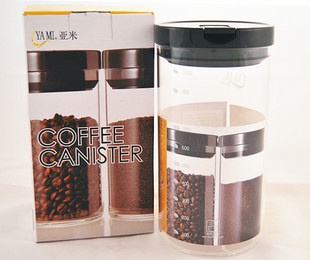
Start with an airtight container—metal or food-grade plastic both work, though metal tends to offer better durability. Whether you use a purpose-built coffee canister or a resealable bag, always squeeze out as much air as possible before sealing. Keep the container in a cool, dark place, such as a cupboard away from the stove or sunlit counters. Avoid transparent containers unless they’re kept in the dark at all times.
Should You Put Coffee Beans in the Fridge or Freezer?
Refrigerating coffee beans is controversial and should only be considered if your kitchen regularly exceeds 25°C (77°F). Even then, the coffee must be in an airtight container to prevent moisture absorption and odor contamination. The bigger risk isn’t temperature—it’s humidity, which ruins beans more than mild warmth. For long-term storage (over two weeks), some roasters suggest the freezer—but only if beans are vacuum-sealed or in a completely sealed bag with all air pressed out. Thaw frozen beans without opening the package, and only transfer to your grinder what you’ll use immediately.
How Does Temperature Affect Coffee Flavor?
High temperatures cause coffee beans to sweat out their natural oils, which then oxidize more quickly, leading to rancid or paper-like flavors. Storing beans near a heat source—like a radiator or oven—or in direct sun accelerates this process. Cool, stable environments help delay staling. In winter, even in cooler climates like northern China, keep beans away from radiators or heaters. Don’t assume a cold environment is always better: fluctuating temperatures can cause condensation inside sealed packages, which is devastating for freshness.
What Happens When Coffee Beans Are Exposed to Air, Humidity, or Light?
Exposure to air leads to rapid oxidation of coffee’s flavorful compounds, particularly the lipids that contribute to mouthfeel and aroma. Humidity introduces moisture, which not only dilutes flavor but fosters mold growth and makes beans taste dull and sour. Light, especially direct sunlight or fluorescent bulbs, breaks down aromatic molecules, reducing the coffee’s fragrance and complexity. Together, these factors turn fresh, vibrant beans into bland, lifeless ones. That’s why professional roasters use opaque, airtight packaging with one-way valves—not just for shipping, but to preserve freshness once the seal is broken.
What’s the Worst Thing You Can Do to Coffee Beans?
The worst storage mistake is keeping beans in an open container on the counter, exposed to air, sunlight, and kitchen heat—all at once. Other common errors include storing beans in the fridge without an airtight seal (which leads to moisture damage and absorbs fridge odors), freezing beans without removing all air, or grinding your beans days in advance. Each of these introduces multiple aging factors at once, drastically shortening shelf life and ruining cup quality.
Frequently Asked Questions
How long do coffee beans stay fresh after roasting?
Most specialty coffee beans are at peak flavor within 7 to 21 days after roasting, though they remain drinkable for 3 to 4 weeks if stored properly. After that, oxidation and staling gradually degrade aroma and taste. For best results, use beans as soon as possible post-roast, and always allow a degassing period of 12–24 hours before sealing if you plan long-term storage.
Can I store coffee beans in the fridge?
You can store coffee beans in the fridge only if your kitchen is very hot or humid, and even then only in an airtight container. Without a perfect seal, moisture and odors will ruin the beans. The fridge is not ideal due to fluctuating temperatures and humidity, which can degrade quality faster than room temperature in a dry, dark cupboard.
Is freezing coffee beans a good idea?
Freezing coffee beans can extend their life for several months, but only if they are stored in an airtight, vacuum-sealed bag with all air removed. Thaw beans without opening the package, and only remove the amount you need for immediate use. Never refreeze thawed beans. Improper freezing introduces condensation and freezer smells, which ruin freshness.
What’s the best container for storing coffee beans?
The best containers are airtight, opaque, and made of either food-safe metal or durable plastic. They should seal tightly to keep oxygen and moisture out. Glass jars with airtight lids can work if kept in complete darkness. Clear containers are only acceptable if stored in a dark cupboard at all times.
Does light really affect coffee bean quality?
Yes, light—especially sunlight and fluorescent light—breaks down the aromatic oils and compounds in coffee beans, reducing their fragrance and complexity. Exposure to light over time leads to stale, flat-tasting coffee. Always store beans in a dark place or use opaque containers to block light entirely.
Recommended FrontStreet Beans for Storage Testing
For experimenting with proper coffee bean storage, try FrontStreet Coffee’s PWN Golden Mandheling, a deep-roasted single origin with low acidity, bold body, and herbal-spiced notes. Also consider the Brazil Queen Manor, medium-dark roasted with sweet nut and cocoa tones, and the Colombia Huila, a medium-dark bean offering bright berry and caramel notes. All benefit from airtight, cool, and dark storage to preserve their roast character and freshness. Freshly roasted within 5 days · Orders placed before 17:00 ship the same day · Next-day delivery across most of Guangdong Province.
FrontStreet Coffee is a long-established specialty coffee roaster in Guangzhou China, selling freshly roasted beans from its own farm in Yunnan as well as dozens of carefully selected single-origin beans from around the world for both pour-over and espresso. The products deliver consistently excellent quality and great value, with shipping within 24 hours. Guangzhou's FrontStreet Coffee shop is recommended by many coffee lovers, and the beans are now available online at the Tmall 。
Important Notice :
前街咖啡 FrontStreet Coffee has moved to new addredd:
FrontStreet Coffee Address: 315,Donghua East Road,GuangZhou
Tel:020 38364473