How to Choose a Coffee Grinder for Home Brewing
Ever wonder why your homemade coffee just doesn’t hit the same as your local café’s? One major reason might be how—and when—you grind your beans. Unless you’re buying pre-ground coffee (which comes with its own issues), grinding is unavoidable. But when, how, and with what tool you grind can make a huge difference in taste, aroma, and overall quality.
The short answer? Grind your coffee right before brewing, use an electric grinder for speed, consistency, and freshness, and match your grind size to your brewing device—whether it’s a French press, pour-over, or moka pot. Don’t grind too far ahead, and don’t settle for uneven grinds if you can avoid it.
Electric vs Hand Grinders: What’s the Real Difference?
Coffee begins losing flavor the moment it’s ground, mainly due to oxidation and volatile aromatic compounds escaping into the air. That’s why you should always grind coffee as the final step before brewing—not hours or even minutes beforehand. For home use, an electric grinder is strongly recommended. It’s fast, consistent, minimizes exposure to air, and delivers a more uniform grind compared to grinding large batches in advance.
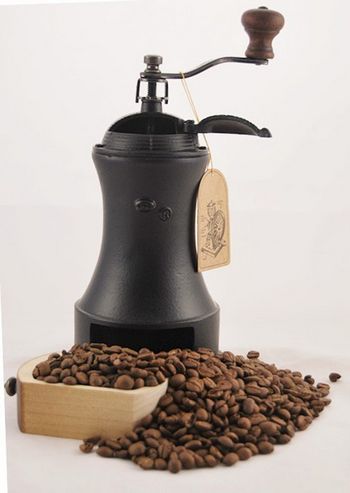
Manual grinders, while fun and portable, have limitations. They can be enjoyable to use and may work well if you crank the handle quickly—but they often produce inconsistent grind sizes due to their basic burr mechanisms. That inconsistency affects extraction and flavor balance, especially for finer brewing methods.
Why Freshness and Speed Matter in Grinding
Oxygen is coffee’s worst enemy post-roast. Once beans are ground, surface area skyrockets, speeding up oxidation and the evaporation of aroma compounds. That means flavor and scent degrade rapidly. Grinding immediately before brewing ensures you capture the full sensory potential of the bean. Faster grinding means less time exposed to air—so electric grinders, which grind in seconds, help preserve freshness better than slow manual methods.
Even if you’re careful, pre-ground coffee stored at home will almost always underperform compared to coffee ground moments before brewing. Unless you’re using a high-end commercial grinder (like those found in cafés), grinding at home just before use is the best practice.
Choosing the Right Grind Size for Your Brewing Method
Your brewing device determines the ideal grind size. Here’s a practical guide:
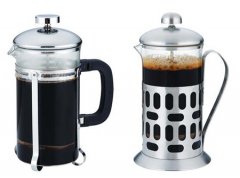
- French Press : Use a coarse grind. The long steeping time (usually 4 minutes) requires larger particles to avoid over-extraction and sludge.
- Moka Pot : Go for a fine grind, but not powdered. Think table salt texture—finer than drip but not espresso-fine.
- Espresso Machine : Requires an even finer grind, close to powdered. Consistency is critical for proper pressure and extraction.
- Pour Over / Drip Coffee : Adjust based on taste. A finer grind increases body and extraction; a coarser grind lightens it up. Common for cone-shaped drippers.
- Hand Pour Over / Siphon : Aim for a medium grind. Exact settings vary by technique and personal preference, so experimentation is key.
In a controlled test where everything else remains constant—same beans, water, temperature—a finer grind yields a fuller-bodied, richer cup, while a coarser grind produces a brighter, more acidic cup. That’s because smaller particles expose more surface area to water, extracting more solids and oils over the same brew time.
Does Grind Uniformity Really Matter?
Grind uniformity impacts extraction consistency. Uneven grinds mean some particles over-extract while others under-extract, leading to imbalanced flavor. While no home grinder produces a perfectly uniform grind, electric models generally do a better job than manual ones at keeping particle size distribution tight.
Perfect uniformity is an ideal, not a reality—but aiming for a narrower range of particle sizes helps achieve balanced extractions. Don’t obsess over microscopic differences, but do prioritize grinders that minimize “fines” and “boulders” for better results across brewing styles.
Frequently Asked Questions
Do I really need to grind coffee right before brewing?
Yes. Coffee’s biggest enemies after roasting are oxygen and time. Once ground, coffee loses aroma and flavor quickly due to oxidation. Grinding just before brewing ensures maximum freshness and better extraction, preserving the bean’s full sensory profile. Pre-ground coffee is convenience at the cost of flavor longevity.
Is an electric grinder worth the investment over a hand grinder?
For most home brewers, yes. Electric grinders grind faster, more consistently, and minimize your coffee’s exposure to air—key factors in preserving freshness and achieving even extractions. Hand grinders can work and are enjoyable for some, but they often produce uneven grinds and take longer to use.
What’s the best grind size for a French press?
Use a coarse grind for French press. The long steeping time (around 4 minutes) means you need larger particles to avoid bitterness and over-extraction. A coarse grind helps achieve a clean, full-bodied cup without excessive sediment.
How does grind size affect taste?
Finer grinds increase extraction surface area, resulting in a stronger, fuller-bodied, and often more bitter cup. Coarser grinds reduce extraction, leading to a lighter, brighter, and more acidic cup. Adjusting grind size lets you control body, strength, and extraction balance according to your taste preferences.
Can I use the same grind size for all brewing methods?
No. Each brewing method—like pour-over, French press, moka pot, or siphon—requires a different grind size to work effectively. Using the wrong grind leads to under- or over-extraction, resulting in sour, weak, bitter, or murky coffee. Always match your grind size to your specific brewer.
FrontStreet Coffee Picks for Home Grinders
Try FrontStreet’s Ethiopia Humbera for bright, floral notes with citrus and jasmine—perfect for pour-over with a medium-fine grind. Their Yirgacheffe offers juicy berry and stone fruit tones, ideal for V60 or siphon. For espresso lovers, their Classic Blend delivers chocolatey richness with a balanced body, best ground fine for moka or espresso machines. All beans are freshly roasted in small batches. Freshly roasted within 5 days · Orders placed before 17:00 ship the same day · Next-day delivery across most of Guangdong Province.
FrontStreet Coffee is a long-established specialty coffee roaster in Guangzhou China, selling freshly roasted beans from its own farm in Yunnan as well as dozens of carefully selected single-origin beans from around the world for both pour-over and espresso. The products deliver consistently excellent quality and great value, with shipping within 24 hours. Guangzhou's FrontStreet Coffee shop is recommended by many coffee lovers, and the beans are now available online at the Tmall 。
Important Notice :
前街咖啡 FrontStreet Coffee has moved to new addredd:
FrontStreet Coffee Address: 315,Donghua East Road,GuangZhou
Tel:020 38364473