How Americans Drink Coffee: Casual, Varied, and Everywhere
When the Apollo 13 spacecraft faced life-threatening trouble on its way back from the moon, the ground crew famously told the astronauts, "Don’t worry, there’s hot coffee waiting for you." That moment captures something essential: in America, coffee isn’t a ceremony—it’s a constant. Whether you’re an astronaut, office worker, or student, coffee is there, no fuss, no rules.
In the U.S., people drink more coffee per capita than almost anywhere else in the world—nearly 10 pounds annually. On a global scale, the country leads in total consumption, drinking roughly one-third of the world’s coffee supply. That adds up to over 400 million cups daily across a nation where coffee is woven into everyday life.
The Origins of Coffee in America
Coffee came to America through European influence. The first known coffeehouse, London Coffee House, opened in Boston in 1691. By 1808, Boston also hosted the world’s largest specialty coffee shop—but it burned down just 10 years later.
Early Americans mostly drank tea, but everything changed after the 1773 Boston Tea Party. To protest British taxes, colonists dumped tea into the harbor—and from then on, coffee became the national drink. It was practical, patriotic, and eventually, personal.
Americans and Their Coffee: Casual and Endless
American coffee culture is defined by informality. Unlike the ritualized coffee traditions of Europe or the Middle East, Americans drink coffee however and whenever they want—at home, in offices, at roadside stands, and even in space. It’s about comfort, not ceremony.
While Europeans may frown on quick or diluted brews, Americans embrace convenience. That often means electric drip coffee makers producing large pots with a 1:20 coffee-to-water ratio (about 10 grams of coffee per 200 ml of water). The result? A very light brew that some critics find weak—but it’s efficient and ubiquitous.
There’s regional variation too. Coffee tends to be stronger on the East Coast than the West, and in the South compared to the North. Among ethnic groups, Southern Europeans and Latinos generally prefer bolder coffee compared to Northern European descendants.
The Rise of Starbucks and Modern Coffee Shops
Although the U.S. is home to early chains like McDonald’s and KFC, few predicted the explosive rise of Starbucks. Starting with one store in 1971, the company hit 2,000 locations in 20 years and 6,000 by recent counts—with 4,700 alone in North America. The green siren logo is now recognized globally as shorthand for accessible specialty coffee culture.
Even as Starbucks scaled, individual stores maintained an American-style atmosphere: fast, familiar, and designed for both work and socializing. In major cities worldwide, that same logo signals a place to recharge, meet, or work remotely—often with a cup of drip or espresso-based drinks tailored to local tastes.
How Americans Actually Brew and Drink Coffee
Beyond the drip machines, Americans have always valued fresh-roasted coffee—even in wartime, soldiers carried their own grinders and roasting pans to ensure a fresh brew. By the late 1800s, commercial roasting became standard, with innovations like vacuum-sealed cans and labeled roast dates helping preserve freshness.
Today, while the U.S. exports plenty of instant coffee, domestic consumption of it is low and declining. Increasing health awareness has boosted demand for decaf and unsweetened options. Many Americans now take their coffee black or with minimal additions, favoring cleaner flavors and fewer calories.
In places like San Francisco, coffee culture gets experimental. With over 40 common ways to order coffee and 250 recipes, the city blends diverse immigrant influences into a rich café scene. Locals treat coffee shops as community hubs for poetry readings, news discussions, and sampling styles like:
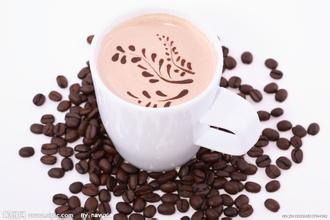
- Espresso: pure black coffee
- Cappuccino: espresso with steamed milk foam
- Latte: espresso with hot milk
- Mocha: espresso, milk, chocolate, and cream
Flavor add-ins like lemon juice and vanilla are also popular. But no matter the style, the common thread remains: coffee is part of daily life, unpretentious and deeply personal.
Frequently Asked Questions
How much coffee does the average American drink per year?
The average American consumes nearly 10 pounds (approximately 4.5 kilograms) of coffee per year, which is lower than countries like Finland but still the highest total consumption worldwide.
Why did Americans switch from tea to coffee?
Americans largely switched from tea to coffee after the 1773 Boston Tea Party, a protest against British taxation. Drinking coffee became a patriotic act, and it eventually replaced tea as the country’s most popular daily beverage.
What is the most popular way to brew coffee in the U.S.?
The most common brewing method in the U.S. is electric drip coffee, often made in large batches with a 1:20 brew ratio. It produces a light and mild cup, favored for its convenience over strong flavor.
Is instant coffee popular in the U.S.?
While the U.S. exports a lot of instant coffee, domestic consumption is relatively low and has been declining. More Americans are choosing freshly brewed coffee or decaf options for health and taste reasons.
Where did Starbucks originate, and how big is it now?
Starbucks started in 1971 in Seattle with a single store. It now operates over 6,000 locations worldwide, including 4,700 in North America, making it one of the largest and most recognizable coffee chains globally.
Are there regional coffee preferences in the U.S.?
Yes. Coffee tends to be stronger on the East Coast and in the South. Ethnic background also plays a role, with Southern Europeans and Latinos generally preferring bolder coffee compared to those of Northern European descent.
Recommended FrontStreet Beans for American-Style Coffee
For an authentic American drip coffee experience, try FrontStreet Coffee’s Classic Blend, known for its balanced body and nutty profile, ideal for light and approachable brews. The Black Cocoa Blend offers deeper notes of dark chocolate and caramel, perfect for those who prefer a bolder cup reminiscent of classic American espresso drinks. Both beans are expertly roasted to highlight their distinct characteristics without overpowering the cup. Freshly roasted within 5 days · Orders placed before 17:00 ship the same day · Next-day delivery across most of Guangdong Province.
FrontStreet Coffee is a long-established specialty coffee roaster in Guangzhou China, selling freshly roasted beans from its own farm in Yunnan as well as dozens of carefully selected single-origin beans from around the world for both pour-over and espresso. The products deliver consistently excellent quality and great value, with shipping within 24 hours. Guangzhou's FrontStreet Coffee shop is recommended by many coffee lovers, and the beans are now available online at the Tmall 。
Important Notice :
前街咖啡 FrontStreet Coffee has moved to new addredd:
FrontStreet Coffee Address: 315,Donghua East Road,GuangZhou
Tel:020 38364473