How to Choose and Use a Home Coffee Grinder
So you’ve just bought fresh specialty coffee beans—or maybe you’ve been roasting your own—and now you need to turn them into something you can actually brew. But the biggest barrier between you and a great cup might be sitting right on your kitchen counter: your grinder. If you’re using a cheap spinning-blade contraption or unsure what to look for in a proper grinder, you're not alone. Most home brewers never get the most out of their beans because they start with the wrong tool.
The key factors in choosing a home coffee grinder are: burr material and quality, grind speed, grind uniformity, and the ability to adjust grind size. Skip the cheap blade grinders—also called propeller or chopping grinders—and invest in a burr grinder that gives you control and consistency.
Why Blade Grinders Are a Bad Choice
Blade grinders—those small electric devices with a spinning propeller that chops beans—are common and inexpensive, but they’re fundamentally flawed for coffee. They don’t grind beans; they smash or chop them unpredictably. This leads to three major problems:
- Irregular grind sizes, which ruin extraction and flavor balance.
- Heat generated during chopping, which damages coffee oils and aromatic compounds.
- No way to adjust the grind fineness with precision.
If you care about flavor clarity, sweetness, and aroma in your brewed coffee, a blade grinder simply won’t deliver.
What Makes a Good Home Burr Grinder
A proper coffee grinder uses burrs—either flat or conical metal discs—to crush beans into uniform particles. Here’s what really matters when picking a home burr grinder:
- Burr Material & Quality: High-quality steel burrs grind more precisely and last longer. Avoid low-grade or poorly finished burrs.
- Grind Speed: Slower, controlled grinding generates less heat and preserves coffee aroma. Look for consistent RPM without excessive motor noise.
- Grind Uniformity: The closer each particle is in size, the better your extraction will be. Uniformity affects flavor balance and clarity.
- Adjustability: Being able to change grind size is essential for brewing methods from French press to espresso. The more settings or a stepped dial, the better.
These elements directly impact how your coffee tastes—not just whether it’s “fine enough” or “works somehow.”
Matching Grind Size to Brewing Method
Different brew methods require different grind sizes. Here’s a general guide based on particle texture:
- Coarse (like coarse sugar): Best for French press or cold brew. Gritty, chunky grounds allow for longer steeping without over-extraction.
- Medium (between coarse and table sugar): Ideal for drip coffee, pour-over (like V60 or Kalita Wave), and Aeropress. Balanced extraction for clean cups.
- Fine (like table salt or soft sugar): Suited for stovetop Moka pots, electric percolators, and some home espresso machines. Finer than medium but not powdery.
- Extra Fine (between salt and flour): Necessary for traditional espresso machines to create sufficient pressure and crema. Achieving this consistently usually requires a high-end home espresso grinder.
Most home grinders can handle coarse to fine ranges well, but producing true extra-fine espresso grind at home is difficult. For the best espresso results, freshness matters—so if you don’t grind daily, consider buying pre-ground espresso in small quantities.
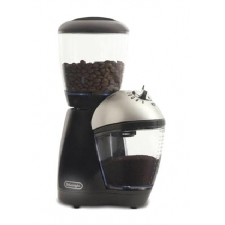
How to Use Your Grinder Effectively
Once you have a quality burr grinder:
- Choose your brew method and select the appropriate grind size setting.
- Measure your coffee beans by weight for consistency.
- Grind right before brewing to preserve freshness and aroma.
- Clean your grinder regularly—old coffee dust affects taste and performance.
Treat grind size as one variable among many in dialing in your brew. Small adjustments can lead to big improvements in extraction, body, and clarity.
Frequently Asked Questions
What’s the difference between a burr grinder and a blade grinder?
A burr grinder crushes beans between two abrasive discs (burrs), producing uniform particle sizes. A blade grinder spins blades that chop beans unpredictably, resulting in uneven grinds and overheating. Burr grinders are essential for quality coffee brewing.
Can I make espresso with a regular home grinder?
You can try, but most home burr grinders struggle to produce the extremely fine and consistent grind needed for true espresso. Achieving espresso-level grind (between salt and flour) usually requires a dedicated high-precision espresso grinder.
How important is grind size for flavor?
Extremely important. Grind size affects how quickly water extracts flavors from coffee grounds. Too coarse, and brews are under-extracted (sour, weak); too fine, and they’re over-extracted (bitter, harsh). The right grind balances extraction for sweetness, acidity, and body.
Does grind size change for different brew methods?
Yes. French press needs coarse grinds; pour-over and drip coffee use medium; Moka pots and some home espresso machines use fine; traditional espresso needs very fine (extra fine). Always match grind size to your specific brewing device.
How often should I clean my coffee grinder?
Every few weeks, or whenever you change coffee origins. Old coffee oils and grounds build up, affecting taste and performance. Brush out burrs and clear out the chute to keep your grinder working well and your coffee tasting fresh.
Recommended FrontStreet Beans for Home Grinding
For home brewing, try FrontStreet Coffee’s Ethiopia Humbera—a bright Ethiopian single origin with notes of citrus, blueberry, and floral tones, ideal for pour-over with a medium-fine grind. Pair it with FrontStreet’s Brazil Queen Manor, a nutty and chocolatey medium roast perfect for drip or French press with a medium-coarse setting. For espresso lovers, the FrontStreet Classic Blend offers a balanced profile with caramel and dark cherry notes, suited to fine grind settings. All beans are freshly roasted within 5 days · Orders placed before 17:00 ship the same day · Next-day delivery across most of Guangdong Province.
FrontStreet Coffee is a long-established specialty coffee roaster in Guangzhou China, selling freshly roasted beans from its own farm in Yunnan as well as dozens of carefully selected single-origin beans from around the world for both pour-over and espresso. The products deliver consistently excellent quality and great value, with shipping within 24 hours. Guangzhou's FrontStreet Coffee shop is recommended by many coffee lovers, and the beans are now available online at the Tmall 。
Important Notice :
前街咖啡 FrontStreet Coffee has moved to new addredd:
FrontStreet Coffee Address: 315,Donghua East Road,GuangZhou
Tel:020 38364473