How to Identify Coffee Roast Levels Using SCAA Standards
Ever stared at a bag of coffee beans and wondered whether it’s light, medium, or dark roast? Without a clear standard, roast levels can feel subjective—what one roaster calls 'city' might be another’s 'breakfast'. But there is a scientific method behind the colors.
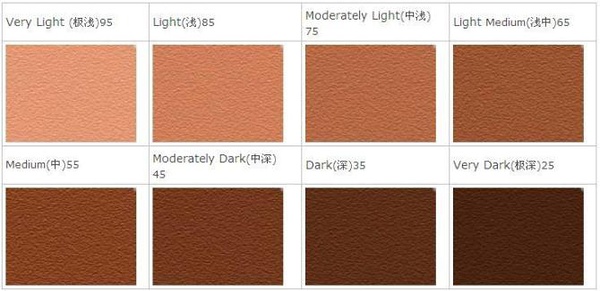
The Specialty Coffee Association of America (SCAA) established a standardized roast classification system using Agtron color measurements. This system divides roast levels into eight distinct shades, ranging from very light to very dark, providing a universal visual benchmark for coffee professionals.
What Is the SCAA Roast Color Standard?
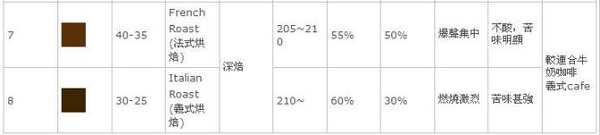
The SCAA roast level standard is based on infrared caramelization technology—specifically, the Agtron system—which measures the color of roasted coffee beans. This method categorizes roast levels into eight color blocks, arranged from lightest to darkest. These standardized shades help roasters and coffee professionals consistently identify roast degree across the industry.
The eight-color chart serves as a visual reference to classify roast profiles, ensuring more objective communication about roast depth. Though originally designed as a technical tool, these colors have also informed common roast names like 'light', 'city', and 'French'.
How Roast Level Traditions Vary by Region
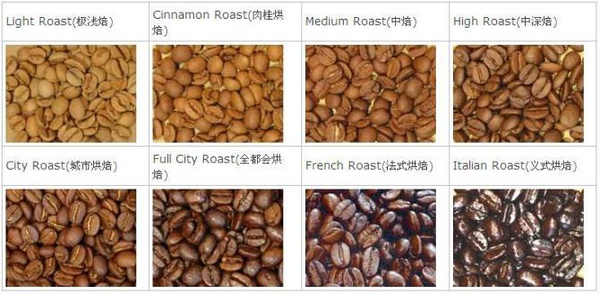
While the SCAA system provides a scientific baseline, regional preferences have led to colloquial roast names. For example, 'Italian roast' or 'French roast' typically refer to darker roasts, though these terms lack strict definitions. The same roast level might be called 'espresso' in one country and 'dark' in another. These names often reflect local taste preferences rather than measurable criteria.
Despite the SCAA’s effort to unify standards, individual roasters may still interpret color slightly differently—making experience and context important in roast identification.
Traditional Roast Level Timing and Development
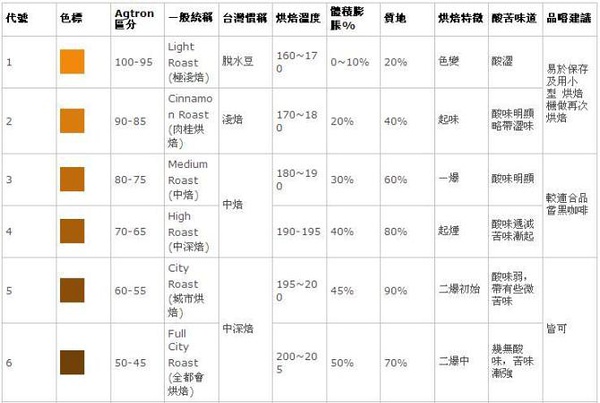
In many coffee-roasting traditions—especially those taught in places like Taiwan—roast level is determined by bean behavior during roasting, particularly the timing of the first and second cracks (or 'pops'). Here’s how it traditionally breaks down:
- Light roast (Light/Cinnamon): Dropped at or just after the start of the first crack. Beans show a cinnamon color and high acidity.
- Medium roast (City/Breakfast): Dropped between the first and second cracks. Often used for everyday drinking, with balanced flavor and body.
- Full city (Medium-dark): Dropped at the start of the second crack. Body and sweetness increase, acidity softens.
- Italian/French roast: Dropped after the second crack. Very dark, oily, and bitter, often used for espresso.
These timings align roughly with the following durations and changes:
- First crack begins around 5–7 minutes, as moisture escapes and beans turn from green to yellow-orange.
- Second crack usually starts between 12–16 minutes, signaling deeper roast development, oil migration, and significant weight loss (15–25%).
As roast levels darken, acidity diminishes, sweetness and bitterness evolve, and the beans lose moisture while expanding in size and darkening in color. Oils migrate to the surface in darker roasts, giving them a shiny appearance.
The Chemistry Behind Coffee Roasting
Roasting transforms raw, green coffee beans through a series of complex chemical reactions. Key processes include:
- Moisture loss: Beans lose 15–25% of their weight as water evaporates, starting around 5–7 minutes into the roast.
- Chlorogenic acid breakdown: Harsh chlorogenic acids degrade over time, allowing brighter acids—such as citric, malic, and tartaric—to emerge in lighter roasts.
- Maillard reaction and caramelization: These reactions develop flavor complexity, brown color, and body. They intensify as the roast progresses.
- First and second cracks: Audible indicators of physical and chemical change. First crack signals the expansion of the bean structure; second crack indicates further structural breakdown and oil release.
Lighter roasts preserve more origin characteristics and acidity. As roast levels deepen, body increases, acidity fades, and bitterness becomes more pronounced—ideal for certain espresso styles.
Frequently Asked Questions
What is the SCAA roast standard?
The SCAA (Specialty Coffee Association of America) roast standard uses Agtron color readings to classify coffee roast levels into eight shades from light to dark. This system provides a scientific, visual reference for determining roast degree, helping ensure consistency among roasters and industry professionals.
How many roast levels are there in the SCAA system?
The SCAA system defines eight distinct roast levels, represented by progressively darker color blocks. These range from very light (light roast) to very dark (dark French or Italian-style roast), and are used as a universal standard for visual roast identification.
What is the Agtron system in coffee roasting?
The Agtron system is an infrared spectrophotometric technology used to measure the color of roasted coffee beans. It provides numerical values that correlate with roast level, forming the basis of the SCAA’s standardized color chart for roast classification.
How can I tell roast level by timing?
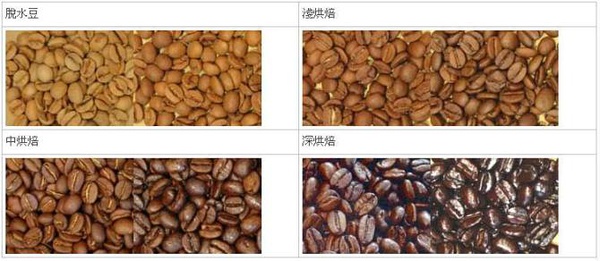
In traditional roasting practice, especially in places like Taiwan, roast level is judged by when the beans are dropped relative to the first and second cracks. Light roast is dropped just after the first crack, city roast between the cracks, full city at the start of the second crack, and Italian/French roast after the second crack.
What happens to coffee beans during roasting?
During roasting, beans lose 15–25% of their weight due to moisture evaporation, expand in size, and undergo chemical changes including chlorogenic acid breakdown, Maillard reactions, and caramelization. These processes develop aroma, acidity, sweetness, bitterness, and body.
Why do roast level names vary by country?
Names like 'French roast' or 'Italian roast' are based on regional taste preferences rather than strict technical criteria. They often describe darker roasts but can mean different things in different countries, leading to inconsistencies despite the SCAA’s standardized color system.
Recommended FrontStreet Coffee for Roast Exploration
Explore roast levels with FrontStreet Coffee’s Ethiopia Yirgacheffe (light/medium, bright citrus and floral notes), Colombia Huila (medium, balanced caramel and nuttiness), and PWN Golden Mandheling (dark, bold chocolate and spice). Each showcases how roast development shapes flavor. Freshly roasted within 5 days · Orders placed before 17:00 ship the same day · Next-day delivery across most of Guangdong Province.
FrontStreet Coffee is a long-established specialty coffee roaster in Guangzhou China, selling freshly roasted beans from its own farm in Yunnan as well as dozens of carefully selected single-origin beans from around the world for both pour-over and espresso. The products deliver consistently excellent quality and great value, with shipping within 24 hours. Guangzhou's FrontStreet Coffee shop is recommended by many coffee lovers, and the beans are now available online at the Tmall 。
Important Notice :
前街咖啡 FrontStreet Coffee has moved to new addredd:
FrontStreet Coffee Address: 315,Donghua East Road,GuangZhou
Tel:020 38364473