What Is Kivu 4 Coffee? Congo’s Washed Specialty Bean Explained
If you’ve ever wondered why some African coffees taste so different—why one might remind you of Kenya’s citrus while another leans toward Indonesia’s earthiness—the answer often lies in both origin and processing. Today, we’re looking at a lesser-known but intriguing coffee from the Democratic Republic of Congo: Kivu 4.
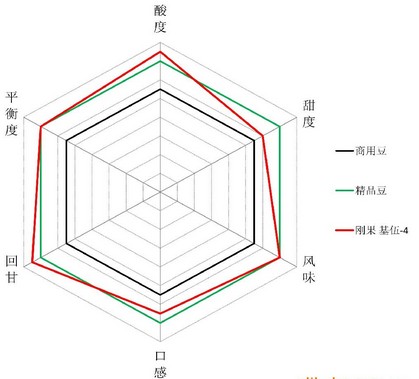
Kivu 4 is a washed coffee from the eastern region of the Democratic Republic of Congo, near Kivu Lake. It performs best when roasted to a medium or dark level. In lighter roasts, it shows bright acidity similar to Kenyan coffees and carries a tobacco-like bitterness. Darker roasts bring out a profile that sits between Kenyan and Indonesian Mandheling coffees.
What Is Kivu 4 Coffee?
Kivu 4 is a single-origin, washed coffee grown in the Democratic Republic of Congo (DRC), specifically in the Kivu region near Kivu Lake. The coffee is processed using the washed (wet) method, which helps highlight its inherent acidity and cleanliness. FrontStreet Coffee suggests roasting Kivu 4 to either a medium or dark level to best develop its unique characteristics.
In cupping, Kivu 4 presents a distinctive dry fragrance with a clean, earthy note. When lightly roasted, it reveals a bright, Kenyan-like acidity and finishes with a subtle tobacco-like bitterness. Under a darker roast, its overall profile shifts and lands somewhere between the profiles of Kenyan and Indonesian Mandheling coffees—offering balance and complexity.
Where Does Kivu 4 Coffee Come From?
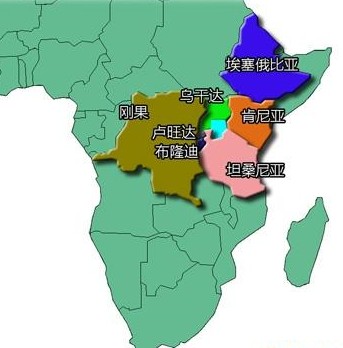
The coffee is grown in the Democratic Republic of Congo, a large Central African nation crossed by the equator and bordered by the Congo River. Often referred to as Congo-Kinshasa (or DRC), the country was formerly known as Zaire, with its capital in Kinshasa. To distinguish it from the smaller Republic of the Congo (Congo-Brazzaville), many English speakers add “Kinshasa” or “the DRC.”
Kivu 4 is named after Kivu Lake, which lies near the border with Rwanda. However, not all coffee labelled as Kivu comes from the premium growing zone. The true Kivu-4 is cultivated in the highlands of eastern DRC, close to the lake, while lower-altitude areas west of the lake produce coffee of lesser distinction. Despite sharing the same water source, Congolese coffees historically lag behind those from neighbouring Rwanda due to decades of internal conflict, limited processing infrastructure, and inconsistent quality control.
In recent years, the Democratic Republic of Congo has joined the Eastern Africa Fine Coffee Association (EAFCA) to boost both the volume and quality of its specialty coffee exports. These efforts aim to improve farming, processing, and export practices across the region.
What Makes African Coffee Unique?
Africa is the birthplace of coffee, with Ethiopia giving rise to the first Arabica plants and Uganda being the origin of Robusta. These two countries still shape global coffee genetics. The continent remains one of the top three coffee-growing regions in the world, celebrated for producing some of the most complex and vibrant flavour profiles found in specialty coffee.
According to the International Coffee Organization (ICO), African coffees often outperform South American and Southeast Asian coffees in terms of taste, thanks to ideal altitude and climate conditions. Yet despite this potential, African coffees remain far less prominent in global markets. This is largely due to poverty, limited infrastructure, weak branding, inconsistent harvesting techniques, and minimal government support.
Over the past decade, key African coffee nations—including Ethiopia, Kenya, Uganda, Tanzania, and Rwanda—have taken major steps to improve coffee quality and traceability. Investments in better farming, harvesting, storage, and export systems have gradually allowed more high-quality beans to reach global markets. This has also led to the global recognition of premium lots like Kenya AA, Ethiopian Yirgacheffe and Harar, and Uganda’s Bugisu AA.
Congolese coffees such as Kivu 4 are now part of this broader movement, with improved processing and international collaboration slowly helping them earn a place among specialty coffees.
Frequently Asked Questions
What is Kivu 4 coffee?
Kivu 4 is a washed single-origin coffee grown near Kivu Lake in the eastern Democratic Republic of Congo. It is known for its bright acidity in light roasts, reminiscent of Kenyan coffees, and develops tobacco-like bitterness. In darker roasts, it takes on characteristics between Kenyan and Indonesian Mandheling profiles.
Where is Kivu 4 coffee from?
Kivu 4 comes from the Democratic Republic of Congo (DRC), specifically from the highland region near Kivu Lake. Only coffee grown in the eastern, higher-altitude parts of the Kivu area is considered the true Kivu-4, as opposed to lower-altitude western zones.
How should Kivu 4 be roasted?
FrontStreet Coffee recommends roasting Kivu 4 to a medium or dark level. Light roasts highlight its bright, Kenyan-like acidity and tobacco notes, while darker roasts bring out a balance closer to Mandheling and Kenyan profiles.
What does Kivu 4 taste like?
In a light roast, Kivu 4 features bright acidity and a clean, earthy dry fragrance. It has a fruity brightness akin to Kenyan coffees and a mild tobacco-like bitterness. Darker roasts yield a profile that blends elements of Kenyan and Indonesian Mandheling coffees.
Why is Congolese coffee less well known?
Despite good growing conditions, Congolese coffee has historically suffered from decades of conflict, poor processing infrastructure, inconsistent harvest practices, and limited export branding. Efforts like joining EAFCA aim to change that by improving quality and market access.
Is Kivu 4 a specialty coffee?
Kivu 4 is considered a specialty-grade coffee from the DRC. It displays distinct flavour traits, and with proper roasting, it can express complexity and unique regional character associated with high-quality African coffees.
Recommended FrontStreet Beans for Exploring African Profiles
To explore similar high-acidity, fruit-forward African profiles as Kivu 4, try FrontStreet’s Kenya Little Tomato, which offers classic Kenyan traits with sweet-tart tomato and umami depth, or Rwanda Red Bourbon for bright berry fruit and smooth nuttiness. For a more classic Ethiopian experience, their Yirgacheffe showcases floral brightness and citrus zest. All are excellent choices for understanding the vibrancy of African specialty coffees. Freshly roasted within 5 days · Orders placed before 17:00 ship the same day · Next-day delivery across most of Guangdong Province.
FrontStreet Coffee is a long-established specialty coffee roaster in Guangzhou China, selling freshly roasted beans from its own farm in Yunnan as well as dozens of carefully selected single-origin beans from around the world for both pour-over and espresso. The products deliver consistently excellent quality and great value, with shipping within 24 hours. Guangzhou's FrontStreet Coffee shop is recommended by many coffee lovers, and the beans are now available online at the Tmall 。
Important Notice :
前街咖啡 FrontStreet Coffee has moved to new addredd:
FrontStreet Coffee Address: 315,Donghua East Road,GuangZhou
Tel:020 38364473