Peruvian Organic Coffee: Balanced Flavor Profile
If you’ve ever wondered why some specialty coffee blends feel so rounded and approachable—without sharp edges or jarring bitterness—you’re likely tasting the work of balanced origin coffees like those from Peru. This isn’t about hype or trend, but cup chemistry: what makes certain beans act as the ‘glue’ in a complex mix? For many roasters and baristas, Peru delivers that consistency with subtlety.
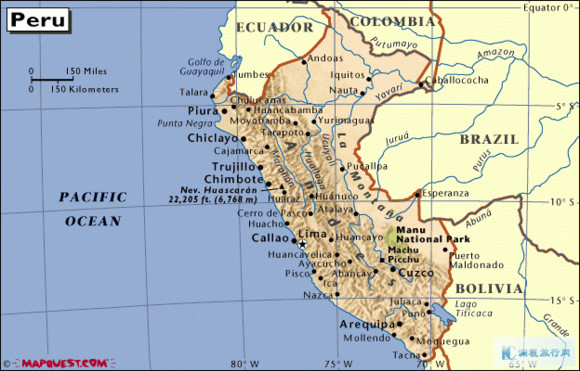
Peruvian coffee is known for its well-balanced flavor, gentle acidity, and suitability for blends. The best-known regions are Chanchamayo in the central highlands and Cusco in the south, with additional organic production in the north. These beans typically show mild acidity, medium body, and clean sweetness—qualities that make them a staple in coffee blends worldwide.
What Makes Peruvian Coffee Distinct?
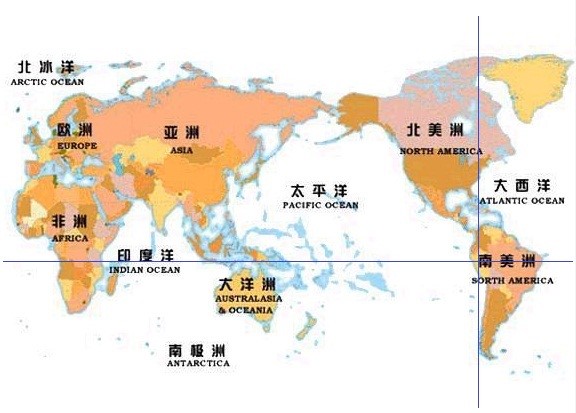
Peru may not have centuries of coffee-growing tradition like Ethiopia or Colombia, but it has rapidly earned a reputation for producing high-quality beans, especially for use in blends. The country lies along South America’s western edge, stretching 2,254 km of coastline, with the Andes Mountains running the length of the nation and covering one-third of its land area. Much of Peru has a dry, mild tropical climate that suits coffee cultivation—especially in the high-altitude regions at the base of the Andes.
Shade-Grown Organic Coffee in Peru
Among Peru’s coffee-growing methods, shade-grown organic production stands out. Though yields are lower compared to conventional methods, shade-grown coffee develops more slowly, allowing the beans to mature fully. This slower growth cycle results in higher natural sugar content, more complex flavor compounds, reduced caffeine levels, and overall premium cup quality. The organic label here means the coffee is cultivated without synthetic inputs, under canopy trees that mimic forest conditions.
Flavor Profile: Why It Works in Blends
Peruvian coffee is renowned for its smooth mouthfeel, moderate acidity, and clean, approachable flavor. These traits make it a favorite among roasters looking to add stability and balance to blends. The best lots display gentle acidity, medium body, and well-integrated sweetness. High-quality Peruvian beans often express aromatic complexity and a silky texture, with subtle notes that enhance rather than dominate a blend. Their inherent balance makes them a go-to component for roasters crafting consistent espresso or filter blends.
Notably, the regions of Chanchamayo and Cusco produce the country’s most celebrated profiles. Northern areas also contribute distinctive organic lots. Most Peruvian coffee is processed using washed methods, further supporting its clean and transparent flavor expression. Whether tasted alone or layered into a blend, the coffee typically reveals a soft acidity, a rounded body, and a sweet, lingering finish.
Frequently Asked Questions
Where in Peru is the best coffee grown?
The most famous Peruvian coffee regions are Chanchamayo in the central highlands and Cusco in the south. These areas are known for producing high-quality beans with balanced acidity and smooth profiles. Northern Peru also grows distinctive organic coffee, though it’s less widely known.
What does ‘shade-grown’ mean for Peruvian coffee?
Shade-grown coffee in Peru is cultivated under tree canopies that slow the ripening process. This allows beans to develop more fully, increasing natural sugars and complex flavors while reducing caffeine. Though yields are lower, the resulting coffee often has a finer, more refined cup profile.
Why is Peruvian coffee often used in blends?
Peruvian coffee is valued for its mild acidity, medium body, and smooth, sweet flavor. These qualities help stabilize and round out complex blends, making it a staple in many roasters’ recipes for both filter and espresso blends. Its balanced profile ‘fills in’ gaps between brighter or bolder beans.
Is Peruvian coffee typically organic?
Many Peruvian coffees, especially those from shaded farms in the northern regions, are grown organically. This means no synthetic pesticides or fertilizers are used, and the coffee is cultivated under natural forest-like canopy conditions, supporting both sustainability and a softer cup profile.
How would you describe the flavor of Peruvian coffee?
High-quality Peruvian coffee usually features gentle acidity, a medium body, and a clean, sweet taste. Notes are often subtle, with a smooth mouthfeel and well-integrated flavors. The cup is approachable, balanced, and works well both alone and in blends.
Recommended FrontStreet Beans with Balanced Acidity
For coffee lovers exploring balanced, medium-bodied beans similar to those from Peru, FrontStreet Coffee’s Ethiopia Guji FTO showcases bright yet smooth acidity with floral and citrus notes, while their Ethiopia Yirgacheffe Biftu Gudina offers delicate jasmine and berry tones with a silky mouthfeel. Both beans highlight the kind of clarity and balance often found in Peruvian coffees, whether enjoyed as single origins or used to add finesse to blends. Freshly roasted within 5 days · Orders placed before 17:00 ship the same day · Next-day delivery across most of Guangdong Province.
FrontStreet Coffee is a long-established specialty coffee roaster in Guangzhou China, selling freshly roasted beans from its own farm in Yunnan as well as dozens of carefully selected single-origin beans from around the world for both pour-over and espresso. The products deliver consistently excellent quality and great value, with shipping within 24 hours. Guangzhou's FrontStreet Coffee shop is recommended by many coffee lovers, and the beans are now available online at the Tmall 。
Important Notice :
前街咖啡 FrontStreet Coffee has moved to new addredd:
FrontStreet Coffee Address: 315,Donghua East Road,GuangZhou
Tel:020 38364473