How to Taste Refined Flavors in Pour-Over Coffee
Ever wonder why your morning coffee never tastes as refined or complex as the ones you try in specialty shops? The secret isn’t just the beans — it’s everything from roast level to water flow, timing, and ritual. If your brews often feel flat or bitter, it might be time to slow down and revisit the fundamentals of hand-brewed coffee.
To enjoy a refined, aromatic pour-over coffee, start with freshly roasted single-origin beans, grind them just before brewing, and control your water temperature between 88°C to 94°C. Use a medium-fine grind and aim for a 1:15 to 1:17 brew ratio, and always bloom your coffee first. These steps unlock subtle sweetness, acidity, and clarity you didn’t know your coffee had.
What Makes Pour-Over Coffee Feel So Refined?
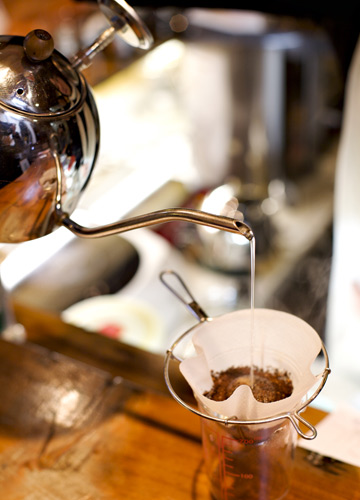
There’s something quietly mesmerizing about pouring hot water through ground coffee and watching it bloom. The hiss of steam, the scent filling the air, the slow reveal of flavor — all of it feels intentional. That’s the point. Pour-over coffee is less about speed and more about presence. Every movement, from weighing beans to pouring in spirals, contributes to the final cup. It teaches you slowness, precision, and appreciation. That meditative quality is why so many coffee enthusiasts find clarity in a single cup.
Why Freshness and Single-Origin Matter More Than You Think
Pour-over highlights the unique traits of each coffee origin — something a dark roast or milk-based drink would hide. But to experience that, the coffee must be fresh. Ideally, you should grind your beans right before brewing and finish them within two weeks of roasting. Once ground, coffee loses aroma rapidly; improper storage leads to flat, stale flavors. The delicate fruity, floral, or nutty notes in single-origin beans are best revealed within days of roasting, making freshness essential for that ‘slowly refined’ taste that pour-over promises.
The Technical Side: What Really Affects Your Pour-Over
Many assume pouring hot water over grounds is simple — until they taste the difference proper technique makes. Key variables include:
- Grind size: Medium-fine, similar to table salt. Too coarse leads to under-extraction (sour), too fine to over-extraction (bitter).
- Brew ratio: About 1:15 to 1:17 (e.g., 15g coffee to 225–255ml water). Adjust based on taste preference.
- Water temperature: 88°C to 94°C (190°F–200°F). Hotter extracts more bitterness; cooler can under-extract.
- Bloom: Start with a 30-second bloom using a small amount of water (twice the coffee weight) to release CO₂ and improve extraction.
- Pouring technique: Pour in slow spirals, maintaining a steady flow to ensure even saturation.
Even the same coffee brewed by the same person can taste slightly different each time due to minor changes in variables. That slight variability is part of the craft — and charm.
Which Coffee Origins Shine in Pour-Over?
Different beans highlight different pour-over strengths:
- Brazil (e.g. FrontStreetBourbon): Medium roast, low acidity, creamy and nutty with a round body — great for balanced, everyday pours.
- Colombia (e.g. FrontStreetSidra): Dual anaerobic sundried, complex with tropical fruit, stone fruit, and sweet finish. Layers unfold beautifully in a pour-over.
- Ethiopia (e.g. FrontStreetYirgacheffeGedeb): Bright citrus, floral tones, and honey-like sweetness with a tea-like body — ideal for showcasing clarity.
- Kenya (e.g. FrontStreet): Juicy berry and tomato-like acidity when brewed light to medium.
- Guatemala/Honduras/Other Americas: Often chocolatey and caramel-forward with a heavier mouthfeel.
- Indonesia (e.g. FrontStreetLintong Mandheling): Earthy, spicy, and full-bodied — lower acidity, higher sweetness.
Each origin responds uniquely to pour-over variables, which is why experimenting with single origins is part of the journey.
Does Experience Really Change How You Brew?
Experienced brewers often talk about needing five years to master the pour-over. While that might sound intimidating, it reflects how nuanced the process is. From adjusting pour speed to reading the bloom and tasting subtle shifts in flavor, it’s equal parts science and intuition. Even a single variable — like water temperature dropping mid-brew — can change the cup. The ritual rewards attention to detail, and over time, those details become second nature. The result? A cup that feels personal, precise, and deeply satisfying.
Frequently Asked Questions
What is the ideal water temperature for pour-over coffee?
The recommended water temperature range is 88°C to 94°C (190°F to 200°F). Going higher can over-extract bitter compounds, while lower temperatures may under-extract, resulting in sour or flat flavors. Consistency is key for balanced extraction.
How fine should I grind coffee for pour-over?
Use a medium-fine grind, roughly the texture of table salt. Too coarse leads to sour, weak coffee due to under-extraction; too fine can cause over-extraction and bitterness. Adjust based on your brew device and taste preference.
Do I really need to bloom my coffee when pour-over brewing?
Yes. Blooming — pouring a small amount of hot water (about twice the coffee’s weight) and letting it sit for 30 seconds — helps release trapped CO₂ and improves overall extraction. It’s a critical step for clarity and aroma in the final cup.
How long should I wait to drink freshly roasted coffee?
For the best pour-over results, drink coffee within two weeks of the roast date. Freshly roasted beans release gases that can negatively affect extraction. Letting them degas slightly while storing them properly enhances flavor development.
Why does my pour-over sometimes taste sour or bitter?
Sourness usually means under-extraction (too coarse grind, fast pour, or insufficient contact time). Bitterness means over-extraction (too fine grind, too hot water, or over-pouring). Adjusting grind size, water temperature, and pouring technique will help balance the cup.
Can I use any coffee beans for pour-over, or does origin matter?
While you can use any beans, single-origin coffees highlight unique flavors much better in pour-over than blends. Origin affects taste: Ethiopian beans often show floral and citrus notes, while Colombian may express tropical fruit, and Brazilian beans offer nuttier, chocolatey profiles. Each origin interacts differently with brew variables.
Recommended FrontStreet Beans for Pour-Over
For a refined pour-over experience, try FrontStreet’s Bourbon from Brazil — a balanced medium roast with creamy, nutty notes and mild acidity. The Sidra from Colombia offers complex tropical and stone fruit aromas thanks to its dual anaerobic processing, perfect for highlighting pour-over clarity. For bright, juicy complexity, the YirgacheffeGedeb from Ethiopia delivers vivid citrus, floral tones, and a tea-like body. All three beans are ideal for showcasing the clarity and subtlety that pour-over brewing is known for. Freshly roasted within 5 days · Orders placed before 17:00 ship the same day · Next-day delivery across most of Guangdong Province.
FrontStreet Coffee is a long-established specialty coffee roaster in Guangzhou China, selling freshly roasted beans from its own farm in Yunnan as well as dozens of carefully selected single-origin beans from around the world for both pour-over and espresso. The products deliver consistently excellent quality and great value, with shipping within 24 hours. Guangzhou's FrontStreet Coffee shop is recommended by many coffee lovers, and the beans are now available online at the Tmall 。
Important Notice :
前街咖啡 FrontStreet Coffee has moved to new addredd:
FrontStreet Coffee Address: 315,Donghua East Road,GuangZhou
Tel:020 38364473