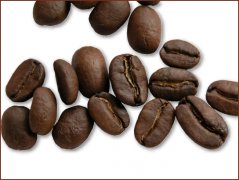
Major Coffee Origins Around the World
When you buy a bag of specialty coffee, have you ever wondered where those beans were grown? The answer isn’t just a label — it tells you about altitude, climate, processing traditions, and unique flavors tied to a specific place on Earth. Understanding coffee origins helps you discover why your pour-over tastes like berries in Ethiopia but nutty and chocolatey in Brazil.
Worldwide, coffee mainly comes from two species: Arabica and Robusta. Within those, hundreds of varieties exist — but flavor profiles are often defined more by origin than variety alone. From Africa to the Americas, Asia to the Pacific, here’s a comprehensive list of the world’s most recognized coffee-growing regions and their celebrated beans.
Asia & Pacific Coffee Origins
Asia and the Pacific host several unique coffee-growing regions with distinctive cup profiles, especially noted for earthy, spicy, and sometimes wild flavors. Some are celebrated for their rarity or traditional production methods.
- China: Yunnan is known for small-bean Arabica, often processed as natural or honey. Hainan grows mostly Robusta.
- Taiwan: A small but respected origin, famous for its Gukeng coffee.
- Yemen: Home to some of the oldest cultivated coffees, including Mocha Sanani and Mattari. These are complex, wine-like, and intensely aromatic.
- India: Notable regions include Malabar (famous for monsooned coffee), Karnataka, and Tellichery. Indian coffees are often spicy and full-bodied.
- Indonesia: Famous for Java, Mandheling, Ankola, and the rare Kopi Luwak (civet coffee). Indonesian coffees are typically earthy, herbal, and full-bodied due to wet-hulling.
- Vietnam: The world’s largest Robusta producer. Also produces weasel coffee (Weasel Coffee), a fermented bean eaten and excreted by animals.
- East Timor: Offers Maubbessee Organic Coffee, a lesser-known but high-quality organic origin.
- Hawaii: Kona coffee from the volcanic slopes of Big Island is celebrated for its balanced profile: bright acidity, medium body, and notes of nuts and fruit.
Central America & Caribbean Origins
Central America and the Caribbean are known for bright, crisp acidity, balanced body, and clean profiles. Many of these coffees are essential components in specialty blends and single origins alike.
- Mexico: Regions such as Coatepec, Huatusco, Orizaba, and others produce beans including Maragogype (a large-bean Typica variety). Flavors range from mild to fruity with chocolate undertones.
- Panama: Global fame comes from Boquete and Volcán Barú. Panama is the birthplace of Geisha (now spelled Gesha), renowned for floral, jasmine, and stone fruit qualities.
- El Salvador: Key regions include Pipil and Pacamara (a large-bean, complex variety). Salvadoran coffees are often sweet with citrus and spice.
- Puerto Rico: Produces Yauco Selecto and Grand Lares Yauco, known for smooth, medium-bodied profiles.
- Ecuador: Galápagos and Gigante offer mild, balanced cups with subtle fruitiness.
- Nicaragua: Key regions include Jinotega and Nuevo Segovia, often offering bright acidity and caramel sweetness.
- Guatemala: Famous regions like Antigua and Huehuetenango deliver elegant, spicy, and sometimes smoky profiles with high acidity.
- Costa Rica: Renowned for Dota, Tarrazú, Heredia, and Tres Ríos. Costa Rican coffees are typically clean, bright, and citrusy, with honey and natural processes gaining popularity.
- Dominican Republic: Barahona offers balanced, medium-bodied beans.
- Cuba: Turquino is a lesser-known origin with mild, classic profiles.
- Jamaica: The legendary Blue Mountain coffee is grown in the Blue Mountains of Jamaica. It’s mild, balanced, and smooth with notes of nuts, cocoa, and herbs. Grown under strict quality controls.
South American Coffee Origins
South America is the largest coffee-producing continent, known for consistency, balance, and classic profiles. Brazil dominates production, but many other countries offer exceptional single-origin coffees.
- Brazil: The world’s largest coffee producer. Key regions include Santos and Bahia. Brazilian coffees are often low-acid, nutty, chocolatey, and sweet — ideal for espresso blends. FrontStreet Coffee’s Brazil Queen Manor features yellow bourbon with intense sweetness and creamy body.
- Peru: Coffee regions like Chanchamayo, Cusco, Puno, and Norte yield balanced, mild beans often used in blends.
- Colombia: Famous for regions like Nariño, Medellín, and Armenia Supremo. Colombian coffees are known for their bright acidity, medium body, and notes of caramel and citrus. FrontStreet’s Huila region coffee highlights these traits with juicy sweetness.
- Venezuela: Regions include Montebello, Miramar, Granjita, and Ala Granija. Once known for high quality, now less prominent in global markets.
African Coffee Origins
Africa is the birthplace of Arabica coffee and home to some of the most distinctive and vibrant flavor profiles in the coffee world. Ethiopian and Kenyan coffees, in particular, are benchmarks for fruit-forward and wine-like qualities.
- Ethiopia: The birthplace of Arabica. Key regions include Yirgacheffe, Sidamo, Harrar, and Lekempti. Ethiopian coffees are floral, fruity, and tea-like; Yirgacheffe offers citrus and jasmine, while Sidamo brings blueberry and spice. Harrar is typically wild and spicy. FrontStreet’s Ethiopia Humbera shows classic Ethiopian fruit bomb character with strawberry, citrus, and cream.
- Uganda: Elgon, Bugisu, and Ruwensori regions produce beans with bright acidity and fruity depth.
- Zambia: Key growing areas include Kasama, Nakonde, and Isoka; Zambian coffees often show citrus, blackcurrant, and gentle sweetness.
- Tanzania: Kilimanjaro region produces vibrant, winey, and fruity coffees.
- Democratic Republic of Congo: Kivu and Ituri are emerging regions with potential for high-quality beans.
- Rwanda: Also sourced from Kivu, Rwandan coffees often feature delicate florals, bright acidity, and clean cups.
- Kenya: Famous for its AA grade beans from regions like Murang’a, Nyeri, and Kirinyaga. Kenyan coffees are complex, with intense acidity, deep sweetness, and notes of blackcurrant, tomato, and citrus. FrontStreet’s Kenya “Little Tomato” showcases these traits.
- Cameroon: Includes Bamileke and Bamoun coffees, often medium-bodied with fruity tones.
- Burundi: Ngozi region produces bright, juicy coffees with complex acidity.
- Angola: Regions like Ambriz, Amborm, and Novo Redondo are lesser-known but produce balanced beans.
- Zimbabwe: Chipinge is the main coffee-growing region, known for balanced, medium-acidity beans.
- Mozambique: Manica produces soft, medium-bodied coffees with mild acidity.
Frequently Asked Questions
What are the top coffee-producing regions in the world?
The top coffee-producing regions include Ethiopia, Colombia, Brazil, Honduras, Vietnam, Indonesia, India, Guatemala, Uganda, and Mexico. These countries consistently produce large volumes of both Arabica and Robusta beans, with Ethiopia, Colombia, and Brazil leading in specialty-grade recognition.
Which country produces the most Arabica coffee?
Brazil is the largest producer of Arabica coffee in the world, followed by Colombia, Ethiopia, Honduras, and Uganda. These countries are known for cultivating high-quality Arabica beans across diverse microclimates and elevations.
What is special about Ethiopian coffee?
Ethiopian coffee is considered the origin of Arabica. It is celebrated for its bright acidity, complex fruit and floral notes, and distinctive processing methods. Key regions like Yirgacheffe, Sidamo, and Harrar each offer unique flavor profiles, from citrus and jasmine to blueberry and spice.
Why is Kenyan coffee so highly regarded?
Kenyan coffee is prized for its high acidity, deep sweetness, and intense complexity. The AA grade denotes the largest and highest-quality beans. Kenyan coffees often feature blackcurrant, citrus, and tomato-like notes, achieved through a unique 72-hour fermentation process during washing.
What makes Hawaiian Kona coffee unique?
Kona coffee is grown on the slopes of Mauna Loa in Hawaii. It benefits from volcanic soil and ideal weather conditions, resulting in a smooth, balanced cup with notes of nuts, cocoa, and fruit. Its rarity and manual production contribute to its premium status.
Why is Jamaican Blue Mountain coffee so famous?
Jamaican Blue Mountain coffee is renowned for its mild flavor, lack of bitterness, and smooth, balanced profile. Grown at high elevations in the Blue Mountains, it is produced under strict quality regulations, making it one of the most exclusive and sought-after coffees globally.
Recommended FrontStreet Coffee Beans for Exploring Origins
For a deep dive into global coffee origins, try FrontStreet’s Brazil Queen Manor, a yellow bourbon lot from Sao Paulo with intense sweetness and creamy body. The Kenya Little Tomato highlights bright acidity and bold berry-like notes typical of high-altitude Kenyan coffees. For classic Ethiopia character, the Ethiopia Humbera delivers intense citrus, floral, and creamy flavors reminiscent of Yirgacheffe. Freshly roasted within 5 days · Orders placed before 17:00 ship the same day · Next-day delivery across most of Guangdong Province.
FrontStreet Coffee is a long-established specialty coffee roaster in Guangzhou China, selling freshly roasted beans from its own farm in Yunnan as well as dozens of carefully selected single-origin beans from around the world for both pour-over and espresso. The products deliver consistently excellent quality and great value, with shipping within 24 hours. Guangzhou's FrontStreet Coffee shop is recommended by many coffee lovers, and the beans are now available online at the Tmall 。
Important Notice :
前街咖啡 FrontStreet Coffee has moved to new addredd:
FrontStreet Coffee Address: 315,Donghua East Road,GuangZhou
Tel:020 38364473