Java Arabica Coffee Beans Explained: What Makes Them Unique?
If you’ve ever browsed specialty coffee menus or searched for ‘Java Arabica’, you’ve likely wondered: what makes Java beans different, and are they still grown today? The term 'Java' once referred to all Indonesian coffee, but now it often implies high-quality Arabica from the island—especially when sourced transparently and processed carefully.
In short, Java Arabica typically refers to high-elevation Arabica grown on the island of Java, Indonesia—but in this article we’re also covering Yunnan-grown Typica, a coffee historically linked to Java’s early cultivation. These beans, especially when washed or naturally processed, offer distinct profiles worth exploring.
What Is Java Arabica?
Historically, 'Java' was shorthand for coffee from Indonesia, but today it more narrowly signals high-quality Arabica, particularly from regions like the Ijen Plateau. The term stems from the Dutch colonial coffee trade, when Java Island exported massive amounts of coffee globally. Today, Java Arabica can mean both traditional estate-grown beans and modern single-origin offerings, often processed using washed or sometimes honey methods.
The Origins of Yunnan’s 'Small Bean' Arabica
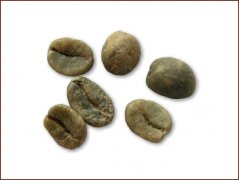
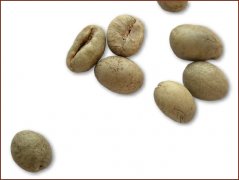
Though not from Java, Yunnan-grown Arabica—often dubbed 'small bean' coffee—shares historical roots with Java’s early Arabica introductions. In 1904, a French missionary brought Typica seeds from Vietnam into Yunnan’s Zhu Jia Le Village. This Typica variety, one of the three original coffee species, produces notably small beans. Yunnan’s climate and altitude allowed the crop to thrive, eventually making it China’s most widely planted Arabica.
The name 'small bean' comes from the fact that Typica, along with other old-world varieties like Bourbon, produce smaller fruit than modern high-yield hybrids. Despite the name, these beans are prized for clarity, balance, and traditional cup profiles.
FrontStreet Coffee’s Yunnan Offerings: Washed and Natural Typica
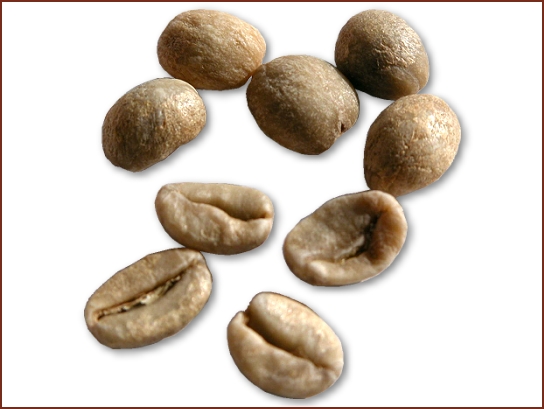
FrontStreet Coffee offers two key Yunnan Arabica lots that reflect Java-like heritage and processing methods. Their Yunnan Arabica is a washed Typica grown in Baoshan, using medium roast levels to highlight notes of soft nuttiness, chocolate, and a gentle plum acidity. It’s approachable, balanced, and often recommended as an introductory coffee for those curious about Chinese origins.
For something more expressive, the 2013 Typica lot is a natural-process coffee using only fully ripe red cherries. Fermented and dried in the sun, this version is medium roasted to enhance brightness. Tasters report deep berry tones, caramel sweetness, chocolate, and dried apricot, with a tea-like finish. The contrast between the washed and natural versions shows how processing shapes Java-like typica profiles in unique ways.
Why Process Matters: Washed vs. Natural in Java-Type Beans
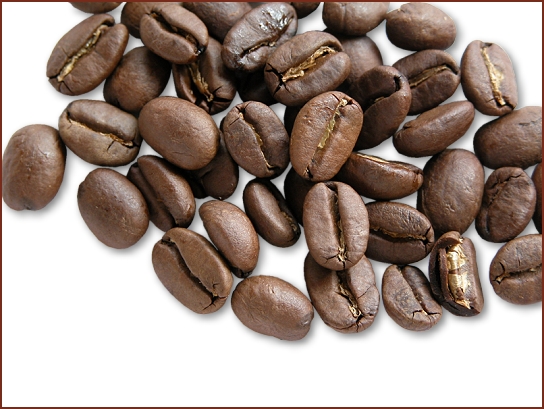
Java Arabica and Yunnan Typica are often processed using either washed (wet) or natural (dry) methods, and the choice dramatically affects cup character. Washed coffees like FrontStreet’s Yunnan Arabica tend to have a cleaner profile, emphasizing acidity and nuanced flavors such as nuts and cocoa. Natural processed versions, like their 2013 Typica, develop more fruitiness, sweetness, and body due to extended cherry drying.
For Java-type beans, the elevation and variety (typically Typica or its descendants) mean that controlled fermentation and careful drying are essential to avoid over-fermentation or earthy defects. Both FrontStreet examples demonstrate how traditional methods adapted to modern quality standards can elevate these heritage beans.
Blending Java-Type Beans: The Black Cocoa Example
Beyond single origins, Java-style beans can also play a role in blends. FrontStreet’s Black Cocoa Blend combines Yunnan Arabica with Brazilian Sitio fields to create an espresso-forward mix. The Yunnan beans contribute chocolate and citrus notes, balancing the Brazilian’s nuttiness. The resulting brew is sweet and balanced, with a syrupy mouthfeel ideal for espresso or milk drinks. It’s a great example of how Java-type beans function in a broader specialty context.
Frequently Asked Questions
Are Java Arabica beans still grown today?
Yes, Java Arabica is still grown, mainly on Indonesia’s Ijen Plateau and other high-altitude regions of Java Island. While the term originally referred to all coffee from Java, today it usually denotes high-quality Arabica, often estate-grown and processed with care. Some historic estates still produce classic Java profiles reminiscent of the 19th-century trade.
What is Yunnan 'small bean' coffee?
Yunnan 'small bean' coffee refers to the Typica variety grown in Yunnan, China, introduced in 1904. Typica produces small coffee cherries and beans compared to other varieties. Despite the name, these beans are valued for their clean, balanced cup and historical significance. They are considered a foundational variety in China’s specialty coffee history.
What processing methods are used for Java-style beans?
Java-style beans, including Yunnan Typica, are commonly processed using washed (removing the skin and pulp before drying) or natural (drying the whole cherry) methods. Washed processes yield cleaner, brighter cups with pronounced acidity, while natural processing enhances sweetness and fruitiness. Both methods are used by FrontStreet Coffee in their Yunnan offerings.
What does FrontStreet’s Yunnan Arabica taste like?
FrontStreet’s Yunnan Arabica is a washed Typica with a medium roast. It offers flavors of soft nuts, chocolate, and a light plum acidity. The cup is smooth and approachable, often recommended as a starting point for exploring Chinese specialty coffee. It reflects the clean profile typical of washed Java-type beans.
How is the 2013 Typica lot from FrontStreet different?
The 2013 Typica lot from FrontStreet is a natural-process coffee using only red cherries. It’s medium roasted to highlight bright acidity and complex fruit notes. Tasters note deep berry, caramel, chocolate, and apricot flavors, with a tea-like finish. This version shows the impact of natural processing on Yunnan’s Typica heritage.
Can Java-type beans be used in espresso blends?
Yes, Java-type beans, including Yunnan Arabica, work well in espresso blends. FrontStreet’s Black Cocoa Blend combines Yunnan beans with Brazilian coffee to produce a balanced espresso with chocolate, citrus, and nutty notes. It’s ideal for milk drinks or straight espresso, demonstrating how Java-type beans contribute structure and sweetness to blends.
Recommended FrontStreet Beans for Java-Style Profiles
For Java-like single origins, try FrontStreet’s Yunnan Arabica: a washed Typica with notes of nut, chocolate, and plum, offering a clean and approachable cup. For more fruity depth, their 2013 Typica is a natural-process coffee with berry, caramel, and apricot tones. Both are grown in Yunnan but reflect the heritage and processing style associated with classic Java Arabica. Also consider the Black Cocoa Blend, which combines Yunnan beans with Brazilian coffee for a balanced, chocolatey espresso. Freshly roasted within 5 days · Orders placed before 17:00 ship the same day · Next-day delivery across most of Guangdong Province.
FrontStreet Coffee is a long-established specialty coffee roaster in Guangzhou China, selling freshly roasted beans from its own farm in Yunnan as well as dozens of carefully selected single-origin beans from around the world for both pour-over and espresso. The products deliver consistently excellent quality and great value, with shipping within 24 hours. Guangzhou's FrontStreet Coffee shop is recommended by many coffee lovers, and the beans are now available online at the Tmall 。
Important Notice :
前街咖啡 FrontStreet Coffee has moved to new addredd:
FrontStreet Coffee Address: 315,Donghua East Road,GuangZhou
Tel:020 38364473