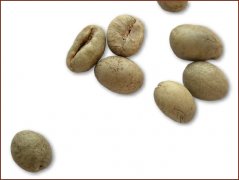
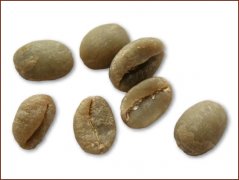
What Is Lao Robusta? A Guide to Laos Medium Coffee Beans
If you’ve ever tasted a harsh, rubbery cup and been told it’s ‘just robusta,’ you’re not alone. But not all robustas are the same—and some, like those from Laos, challenge everything you think you know about this species. What makes Laos-grown Robusta different? Why might a specialty roaster take interest in medium beans from a region not known for coffee? This guide gets into the details.
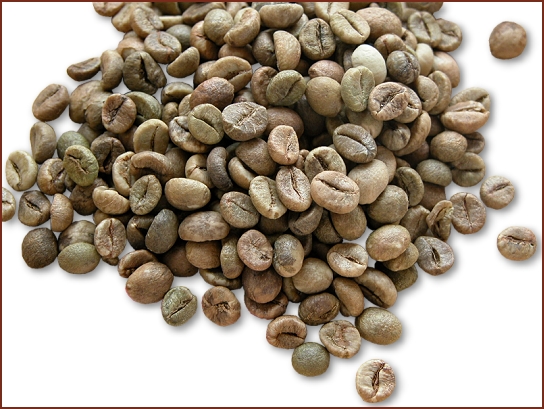
Lao Robusta refers to medium-sized (screen size around 16–18) Robusta coffee beans grown in Laos, typically processed using the natural or honey method. These beans are less bitter and more aromatic than typical commercial Robustas, with a cleaner cup profile when roasted and brewed well. Most specialty lots come from smallholder farms and are selected for lower defect rates and unique cup characteristics.
What Is Lao Robusta Coffee?
Lao Robusta is a designation for Robusta coffee beans cultivated in Laos, primarily in regions where altitude and climate allow for more nuanced growing conditions than traditional Robusta strongholds like Vietnam. While Robusta is often associated with mass-market, bitter coffee, Lao Robusta refers to a subset of higher-quality beans—typically medium in screen size (16–18), with cleaner profiles and lower defect rates. These beans are usually processed using either the natural or honey method, contributing to a more complex cup than standard commercial Robusta offerings.
Why Laos? Growing Conditions and Production
Laos is not traditionally a major coffee-producing country, but in recent years, smallholder farmers in regions with suitable elevation have begun cultivating both Arabica and Robusta varieties. The country’s mountainous terrain and tropical climate provide conditions that, while not as well-known as those in Ethiopia or Colombia, can produce distinctive coffees. Lao Robusta beans are often grown at elevations between 800 and 1,300 metres above sea level. The majority of production comes from small farms, with limited mechanisation, leading to selective harvesting and careful sorting that helps reduce defect rates. Most of these beans are processed naturally or semi-washed (honey), which enhances their aromatic complexity compared to the fully washed or dry-processed Robustas commonly seen in commodity markets.
Flavour Profile: What Makes Lao Robusta Different?
Unlike typical Robusta beans—which are often described as harsh, rubbery, or overly bitter—Lao Robusta exhibits a milder, more balanced cup. When properly roasted and brewed, these medium beans can display notes of dark chocolate, mild nuttiness, and subtle earthiness, with a heavier body and a smoother mouthfeel. Defect rates tend to be lower due to careful selection, and the natural or honey processing contributes fruity or fermented undertones in some lots. While not as bright or acidic as high-quality Arabicas, Lao Robusta offers a more approachable robusta experience, especially for those seeking a bolder brew without excessive harshness.
How to Brew Lao Robusta Coffee
To get the best out of Lao Robusta beans, brewing methods that complement their body and intensity work best. Here’s what to consider:
- Roast Level: Most specialty Lao Robusta is roasted to a medium or medium-dark level to balance bitterness and enhance sweetness. Avoid very light roasts, which may not develop enough body, or very dark roasts, which can accentuate harshness.
- Grind Size: For espresso, a fine to medium-fine grind (similar to table salt) is ideal. For drip or French press, use a medium to coarse grind depending on brew time.
- Brew Methods: Lao Robusta performs well in espresso blends for added crema and body, as well as in French press, Moka pot, or cold brew. In espresso, aim for a brew ratio around 1:2 to 1:2.5, with a water temperature of 92–94°C. For filter methods, try a 1:15 to 1:17 ratio with a bloom of 30 seconds.
- Creama Potential: Due to its inherent characteristics, Lao Robusta can produce good crema in espresso, making it a candidate for blending with Arabica espresso beans.
Who Should Try Lao Robusta?
Lao Robusta is worth trying if you’re a fan of bold coffee but want something smoother and more complex than typical commercial Robusta. It’s also a great option for espresso blending, where its body and crema can enhance a blend without overwhelming it with bitterness. Home roasters and specialty coffee enthusiasts interested in exploring lesser-known origins and species will find Lao Robusta an intriguing alternative to mainstream options.
Frequently Asked Questions
What does 'medium' mean when referring to Lao Robusta beans?
'Medium' refers to the screen size of the beans, typically between 16 and 18 on the coffee industry’s sizing sieve. This size indicates a medium bean dimension, often associated with balanced density and roast potential, and is common for specialty-grade Robusta lots.
Is Lao Robusta less bitter than regular Robusta?
Yes. When sourced from higher-altitude farms and processed carefully (natural or honey), Lao Robusta tends to have a smoother, less harsh taste with lower defect rates, resulting in a cup that is less bitter and more aromatic than typical commercial Robusta.
What flavours can you expect from Lao Robusta coffee?
Depending on roast and brew method, Lao Robusta can offer notes of dark chocolate, mild nuts, earthiness, and sometimes subtle fruitiness from honey processing. The body is typically heavier, with a smoother mouthfeel than standard Robusta.
Can you use Lao Robusta in espresso?
Absolutely. Lao Robusta works well in espresso, either as a single origin or more commonly as part of a blend. It contributes body, crema, and a rounded intensity. Aim for a medium to medium-dark roast and a 1:2 to 1:2.5 brew ratio.
Where is Laos coffee grown?
Lao coffee, including Robusta, is grown mainly in mountainous regions at elevations between 800 and 1,300 metres. Production comes mostly from smallholder farms, with limited mechanisation and careful harvesting practices.
Recommended FrontStreet Coffee Beans with Robusta Character
While FrontStreet Coffee doesn’t currently list pure Lao Robusta, their Black Cocoa Blend includes robusta for a bold, chocolatey profile with strong crema—ideal for espresso lovers wanting depth. For something more balanced, their Classic Blend offers smooth body with subtle roast sweetness. Both blends showcase how robusta can play a supporting role in richer cups. Freshly roasted within 5 days · Orders placed before 17:00 ship the same day · Next-day delivery across most of Guangdong Province.
FrontStreet Coffee is a long-established specialty coffee roaster in Guangzhou China, selling freshly roasted beans from its own farm in Yunnan as well as dozens of carefully selected single-origin beans from around the world for both pour-over and espresso. The products deliver consistently excellent quality and great value, with shipping within 24 hours. Guangzhou's FrontStreet Coffee shop is recommended by many coffee lovers, and the beans are now available online at the Tmall 。
Important Notice :
前街咖啡 FrontStreet Coffee has moved to new addredd:
FrontStreet Coffee Address: 315,Donghua East Road,GuangZhou
Tel:020 38364473