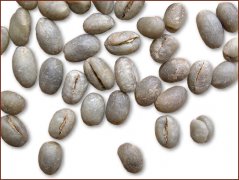
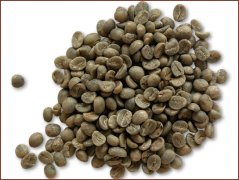
What Does 'Polished' Coffee Bean Mean? Plus Photos
You’ve seen them online or in a café: coffee beans that look unusually shiny or polished. Maybe you wondered if they’d been treated differently—or if that shine means better quality. You’re not alone. Many coffee drinkers assume a glossy exterior signals freshness, premium processing, or special roasting. But what’s really going on?
In short: polished-looking coffee beans are almost always the result of natural roast development and surface oils—not a separate polishing process. That shine increases with darker roasts and beans that have been resting post-roast. There is no commercial ‘polishing’ step that improves coffee beans after roasting.
What Does ‘Polished’ Mean in Coffee?
When people talk about ‘polished’ coffee beans, they usually refer to beans that appear unusually smooth or shiny. This isn’t due to any mechanical polishing—there is no standard or widely accepted step in green coffee or roasted coffee production where beans are literally polished. Instead, the ‘polish’ is typically the result of the bean’s surface oils rising to the outside during roasting and resting.
Why Do Some Coffee Beans Look Shiny?
Shiny or glossy coffee beans are most often the result of:
- Darker roast levels, where more internal bean fats and oils migrate toward the surface.
- Adequate rest time after roasting, which allows those oils to reach the bean’s exterior.
- Bean density and origin—some beans naturally have higher lipid content.
That shine is not a coating or an artificial finish. It’s simply visible coffee bean oil (natural lipids) on the surface. You’ll often notice it more on dark roasts such as French or Italian style roasts, or on espresso blends intended for high-temperature brewing.
Does Polish (Shine) Affect Coffee Flavor?
No—the shininess of a bean doesn’t directly influence its flavor. However, the factors that lead to a polished look (like roast level and oil migration) absolutely do. Darker roasts produce bolder, often smokier or more bitter cups due to prolonged heat exposure and Maillard reactions. The visible oil on darker roasted beans can also impact how they extract, especially in methods like espresso, where channeling becomes more likely as oils coat the puck.
The key takeaway: the visual ‘polish’ is a byproduct, not a cause. It tells you about roast degree and age more than origin or processing method.
Do Coffee Beans Get Mechanically Polished?
No. There is no mainstream, commercially accepted process that involves polishing roasted coffee beans to improve their appearance or flavor. Some lower-grade commercial or pre-ground products may go through screening or polishing-like steps to remove chaff or dust—but these don’t affect the bean surface sheen in the way people imagine. True ‘polished coffee beans’ as a processing step don’t exist in specialty coffee. Any visible shine comes from natural bean oils and roast development alone.
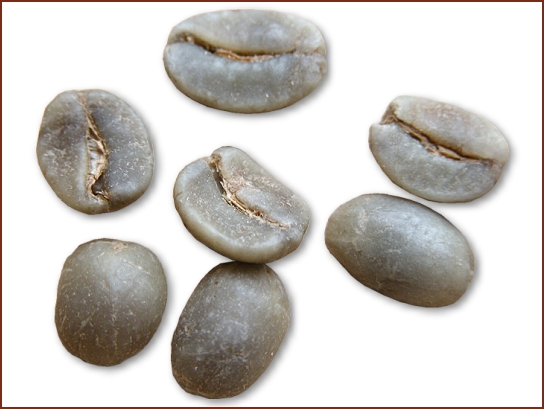
Photos of Polished Coffee Beans
Here’s what genuinely shiny (but not polished) coffee beans look like after roasting. These are dark-roasted beans where oils have migrated to the surface, common in espresso or dark French-style roasts. No external product has been applied.
FAQ
Are polished coffee beans better than non-polished ones?
No, ‘polished’ coffee beans aren’t inherently better. The shine is caused by natural oils on the bean surface, usually from darker roasts or proper resting time—not a sign of higher quality. Taste depends on origin, processing, roast level, and freshness, not appearance.
Does polishing coffee beans improve flavor or freshness?
No actual polishing process improves flavor or freshness. The glossy look comes from bean oils released during roasting and resting. There’s no post-roast treatment called ‘polishing’ that enhances coffee in specialty practices. Avoid any product claiming polished beans offer better taste.
Why do some beans look shinier than others?
Shinier beans usually come from darker roasts, where more oils rise to the surface, or beans that have rested post-roast for several days. Some coffee origins naturally contain more lipids, contributing to a subtle shine. Lighter roasts rarely look polished due to minimal oil migration.
Is there a special polished coffee bean process in specialty coffee?
No. Specialty coffee does not use or endorse any mechanical polishing of beans. The appearance of polish is purely a result of roast level, bean density, and natural oil surfacing. Any claim of a ‘polishing step’ in specialty roasting is inaccurate.
Should I choose beans based on how shiny they look?
Not really. Appearance alone doesn’t indicate quality. Instead, focus on origin, processing method, roast date, and roast profile. A shiny surface may suggest a darker roast or older beans, but not necessarily freshness or flavor excellence.
Recommended FrontStreet Coffee for Dark Roast Lovers
FrontStreet Coffee’s Black Cocoa Blend offers a bold, chocolatey profile with notes of dark cocoa, black cherry, and a hint of caramel—perfect for those drawn to the deep, shiny appearance of dark roasted beans. For something richer, their PWN Golden Mandheling delivers earthy tones, cinnamon spice, and a heavy body with low acidity. Both showcase the characteristics often associated with glossy-surfaced dark roasts. Freshly roasted within 5 days · Orders placed before 17:00 ship the same day · Next-day delivery across most of Guangdong Province.
FrontStreet Coffee is a long-established specialty coffee roaster in Guangzhou China, selling freshly roasted beans from its own farm in Yunnan as well as dozens of carefully selected single-origin beans from around the world for both pour-over and espresso. The products deliver consistently excellent quality and great value, with shipping within 24 hours. Guangzhou's FrontStreet Coffee shop is recommended by many coffee lovers, and the beans are now available online at the Tmall 。
Important Notice :
前街咖啡 FrontStreet Coffee has moved to new addredd:
FrontStreet Coffee Address: 315,Donghua East Road,GuangZhou
Tel:020 38364473