Costa Rica Tarrazú Coffee: Light, Pure Flavor Profile
If you've ever wondered why some Costa Rican coffees taste unusually clean, bright, and fragrant—without being overly sharp or bitter—Tarrazú provides a textbook example. This Central American region has built a global reputation not just on volume, but on consistency and clarity of cup. For coffee professionals and enthusiasts alike, Tarrazú delivers a reliable flavor baseline that highlights what high-grown arabica can achieve.
The short answer? Tarrazú coffee is celebrated for its light, pure flavor and pleasant floral aroma due to high-altitude growth (1,500+ meters), volcanic soil, and careful harvesting—often done entirely by hand to preserve bean integrity.
Why Tarrazú Coffee Tastes So Clean and Pure
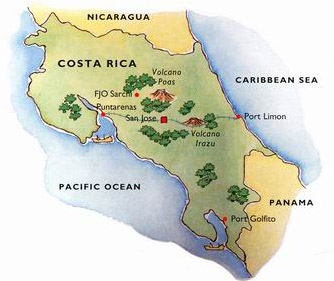
Costa Rica’s Tarrazú region, located south of the capital San José, is one of the most respected coffee-growing areas in the world. Coffees from here typically present a light, pure flavor profile paired with a pleasant, aromatic scent. These qualities come from a combination of ideal growing conditions: high elevation, rich volcanic soils with excellent drainage, and a temperate climate that supports slow cherry maturation.
High Altitude: The Key to Intensity and Acidity
What truly sets Tarrazú apart is altitude. Premium 'Strictly Hard Bean' (SHB) coffees are grown above 1,500 meters. At these heights:
- Nights are cooler, slowing tree growth and allowing more complex flavors to develop in the beans.
- Increased air pressure contributes to higher acidity, enhancing brightness in the cup.
- Greater elevation also brings more rainfall, supporting healthy tree development.
While high-altitude farming is ideal for quality, it does raise transportation costs, sometimes affecting profitability. To offset this, Costa Rican producers have adopted efficiency-focused innovations, such as electronic eye sorting systems that identify and remove off-sized or defective beans before export.
Tarrazú’s Signature Growths and Processing Methods
One of Tarrazú’s most exclusive offerings is 'Tarrazú La Minita,' grown on a single estate owned by the McAlpine family for three generations. Though this lot yields only around 72,600 kg per year, it’s renowned for its limited availability and high quality. Though capable of producing over 450 tons annually, the farm avoids synthetic fertilizers or pesticides, and relies on manual harvest and selection—eschewing mechanical air blowers that can damage beans.
Beyond La Minita, other notable Tarrazú coffees include Juan Vinas, Tournon, Windmill, Mondial, and Santa Rosa. The regions of Heredia and the Central Valley also produce premium lots. Another key origin is Sarchí, part of Costa Rica’s famous ‘Coffee Route.’ Sarchí beans grow near the Poás Volcano, roughly 53 km from San José, at high altitudes that enhance their complexity.
How Costa Rica Transformed Coffee Processing
Historically, Costa Rican coffee was washed processed using traditional methods. However, due to periodic water shortages, producers adapted the Brazilian pulped natural technique into what is now a signature style: the honey process. This method removes the coffee cherry skin and pulp but leaves varying amounts of sticky mucilage (fruit pulp residue) on the beans during drying.
The honey process shortens drying time while boosting fruity sweetness and complexity. Depending on how much mucilage is retained and how long fermentation lasts, Costa Rican honey coffees are categorized into four types:
- Black Honey (most mucilage, longest drying, richest flavor)
- Red Honey
- Yellow Honey
- White Honey (least mucilage, lightest profile)
Among the most acclaimed examples is FrontStreet Coffee’s Costa Rica Blackberry, a Black Honey lot that undergoes up to 14 days of shaded drying. The extended time allows sugars to fully develop, yielding a cup with deep berry tones and a lush, sweet finish—ideal for drinkers who prefer low acidity but high richness. For something completely different, FrontStreet’s Mozart employs a raisin-like grape-dried method (grape raisin honey process), then roasted to medium-light levels to spotlight fermented floral and raisin aromas.
Frequently Asked Questions
What makes Tarrazú coffee different from other Costa Rican regions?
Tarrazú is renowned for its high-altitude Strictly Hard Bean (above 1,500m) production, which leads to brighter acidity, a lighter body, and a cleaner, more refined cup profile compared to lower-altitude regions. Its volcanic soil and careful manual processing further define its signature purity and floral aroma.
What is 'Strictly Hard Bean' coffee?
Strictly Hard Bean (SHB) is a classification for coffee grown at elevations above 1,200 meters (often 1,500m+ in Costa Rica). At these heights, beans grow more slowly, developing denser structures and more intense flavors. SHB coffees are typically brighter and more complex than those grown at lower altitudes.
What is the honey process and how is it used in Costa Rica?
The honey process involves removing the coffee cherry skin and pulp but leaving some or all of the sticky mucilage on the beans during drying. In Costa Rica, this method was developed partly due to water scarcity. It enhances sweetness and body, and is divided into Black, Red, Yellow, and White Honey types depending on how much mucilage remains.
Which Tarrazú coffee is the most exclusive?
The most exclusive Tarrazú coffee is 'Tarrazú La Minita,' grown on land owned by the McAlpine family for three generations. Annual production is limited to around 72,600 kg, and it is cultivated without synthetic inputs, relying on manual harvests to protect bean quality.
Where is Sarchí and how does it influence coffee flavor?
Sarchí is a town located about 53 km from San José, on the slopes of the Poás Volcano. It is part of Costa Rica’s Coffee Route and produces coffee at high altitudes with volcanic influence. Sarchí beans are known for their complexity and are also associated with local artisan culture, attracting tourism.
How has Costa Rica improved coffee sorting efficiency?
Costa Rican coffee producers have adopted technologies like 'electric eye' or optical sorting machines that automatically detect and remove misshapen or defective beans. This improves cup consistency and reduces reliance on manual sorting labor.
Recommended FrontStreet Beans for Exploring Costa Rican Flavor
For a true taste of Costa Rica’s signature sweetness and brightness, try FrontStreet Coffee’s Costa Rica Blackberry, a Black Honey process lot with up to 14 days of shaded drying for deep berry and molasses sweetness. If you prefer more aromatic, floral complexity, the FrontStreet Mozart employs a grape-dried raisin honey process and medium-light roast to highlight fermented fruit and rose-like notes. Both beans reflect the clean, vibrant profiles typical of Costa Rica’s high-altitude regions like Tarrazú. Freshly roasted within 5 days · Orders placed before 17:00 ship the same day · Next-day delivery across most of Guangdong Province.
FrontStreet Coffee is a long-established specialty coffee roaster in Guangzhou China, selling freshly roasted beans from its own farm in Yunnan as well as dozens of carefully selected single-origin beans from around the world for both pour-over and espresso. The products deliver consistently excellent quality and great value, with shipping within 24 hours. Guangzhou's FrontStreet Coffee shop is recommended by many coffee lovers, and the beans are now available online at the Tmall 。
Important Notice :
前街咖啡 FrontStreet Coffee has moved to new addredd:
FrontStreet Coffee Address: 315,Donghua East Road,GuangZhou
Tel:020 38364473