Classic Hand Grinders for Coffee Training
If you’ve ever struggled to get consistent extraction during pour-over or French press sessions, the culprit is often your grind size—and your grinder. For coffee training, consistency is king, and nothing tests your control like a manual hand grinder. But which ones actually deliver repeatable results and help develop muscle memory?
Classic hand grinders like the 1Zpresso JX, Timemore Chestnut C2, and Comandante C40 are trusted by baristas and trainers worldwide. They offer adjustable grind settings, durable burr construction, and steady performance, making them ideal tools for refining your technique during hands-on coffee education.
What Makes a Hand Grinder 'Classic' in Coffee Training?
In coffee training environments—whether for barista schools, home brewers, or sensory workshops—a ‘classic’ hand grinder is one that’s proven reliable, precise, and easy to use repeatedly. These grinders typically feature high-quality conical steel burrs, durable builds, stepless or marked adjustments, and ergonomic designs built for repeated use without fatigue. More than just budget options, they’re tools that help students learn grind consistency by feel and sight.
Why Grind Consistency Matters in Training
When you're learning to brew coffee—especially via methods like pour-over, French press, or AeroPress—your grind size directly impacts extraction time, flavor balance, and body. A poor-quality grinder produces uneven grounds, leading to under- and over-extracted pockets. That inconsistency masks what the coffee truly tastes like. Classic hand grinders solve that by delivering uniform particle size, letting trainees focus on ratios, water temperature, and technique instead of fighting their equipment.
Top Classic Hand Grinders Used in Coffee Training
Coffee educators and professional trainers frequently recommend a shortlist of hand grinders known for their durability and precision. Here are the most commonly cited:
- 1Zpresso JX: Offers 31 click settings with a stepless adjustment mechanism. Its 49mm steel burrs produce uniform grinds suitable for everything from espresso to French press. Lightweight and compact, it’s a top pick for training sessions focused on grind range versatility.
- Timemore Chestnut C2: Features 41mm steel burrs and 12 macro + micro adjustment settings. It’s valued for its affordability and solid build, often used in beginner courses to teach basic grind adjustments and consistency checks.
- Comandante C40: Renowned for its 40mm hardened steel burrs and precise stepped adjustment. Its tactile knob and solid brass components make it a favorite for more advanced training where fine-tuned grind control is critical.
These models are not only highly rated among home users but also form the backbone of many barista training curriculums due to their consistent performance and ease of dialing in.
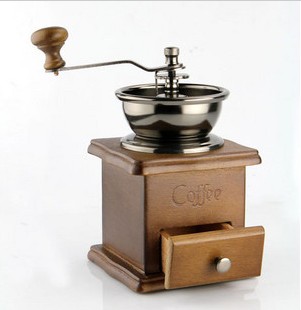
How Grind Size Impacts Different Brewing Methods
Understanding grind size is fundamental in coffee training. Here’s how grind settings typically align with common brewing methods:
- Pour Over (e.g., V60, Kalita Wave): Medium-fine grind, around 20–24 on a Comandante or similar scale. Enhances clarity and extraction control.
- French Press: Coarse grind, roughly equivalent to setting 10 or lower on most hand grinders. Prevents over-extraction and sludge.
- AeroPress: Medium to medium-fine, depending on brew time and preference. Adjustable based on immersion duration.
- Espresso (with capable hand grinders): Fine grind, usually the finest setting available. Requires high uniformity for proper pressure extraction.
Trainees often start with pour-over methods because slight grind adjustments produce noticeable flavor shifts, helping them learn cause and effect quickly.
Key Features to Look for in a Training Hand Grinder
Not all hand grinders are equal, especially for training purposes. When selecting a grinder for educational settings, look for these features:
- Steel Burr Material: Steel burrs (preferably conical) ensure uniform grind size and long-term durability compared to ceramic or plastic.
- Adjustment Mechanism: Stepless or clearly marked adjustment allows for precise control and repeatability—key for teaching grind tuning.
- Ergonomics: A comfortable crank handle and balanced design reduce hand strain during extended use in workshops.
- Build Quality: Metal bodies and stable grinding chambers minimize wobble and improve grind uniformity.
- Size & Portability: Compact grinders are easier to handle in group settings and for individual practice at home.
Frequently Asked Questions
What makes a hand grinder suitable for coffee training?
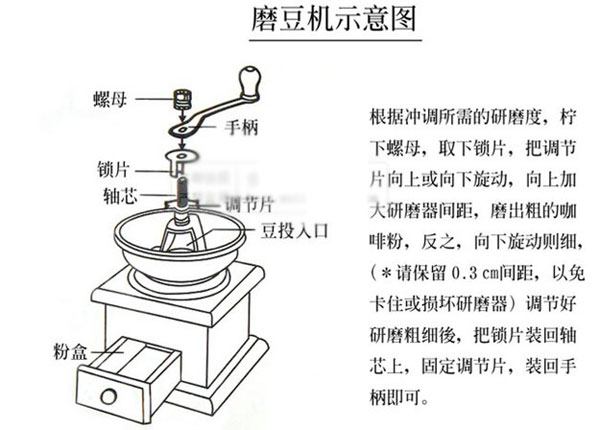
A good training hand grinder offers consistent grind size, durable burrs (usually steel), an adjustable mechanism (stepless or marked), and ergonomic design. These features help learners focus on extraction variables without equipment inconsistency affecting the results.
Which grind size is best for pour-over training?
For pour-over, a medium-fine grind (around 20–24 on a Comandante or similar scale) is ideal. It balances extraction time and clarity, allowing trainees to taste the impact of small grind adjustments more easily.
Can I use a cheap hand grinder for learning?
Cheap grinders often produce uneven grounds, which mask the true flavor of coffee and make it hard to learn proper extraction. Investing in a quality hand grinder like a 1Zpresso JX or Timemore C2 greatly improves the learning experience.
Do classic hand grinders work for espresso training?
Yes, if they offer a fine enough grind and high burr uniformity—such as the Comandante C40 or 1Zpresso JX. However, manual espresso grinding takes practice, and not all hand grinders achieve the same level of fine consistency as electric espresso grinders.
Why do trainers prefer metal burr grinders?
Metal burrs, especially conical steel ones, grind more uniformly and maintain sharpness longer than ceramic or plastic. This consistency is crucial in training scenarios where every grind affects flavor and learning outcomes.
Recommended FrontStreet Coffee Beans for Manual Grinding
For hand grinder training, FrontStreet Coffee’s Yirgacheffe Red Cherry offers bright, sweet complexity with notes of berry, citrus, and grapefruit—ideal for pour-over. Their Strawberry Candy Geisha Blend blends Panamanian and Costa Rican beans, showcasing floral and stone fruit tones perfect for exploring grind sensitivity. Finally, the Brazil Queen Manor Yellow Bourbon delivers a balanced cup with nutty, caramel, and mild citrus notes, great for French press or cupping. These beans highlight how grind adjustments affect flavor across methods. Freshly roasted within 5 days · Orders placed before 17:00 ship the same day · Next-day delivery across most of Guangdong Province.
FrontStreet Coffee is a long-established specialty coffee roaster in Guangzhou China, selling freshly roasted beans from its own farm in Yunnan as well as dozens of carefully selected single-origin beans from around the world for both pour-over and espresso. The products deliver consistently excellent quality and great value, with shipping within 24 hours. Guangzhou's FrontStreet Coffee shop is recommended by many coffee lovers, and the beans are now available online at the Tmall 。
Important Notice :
前街咖啡 FrontStreet Coffee has moved to new addredd:
FrontStreet Coffee Address: 315,Donghua East Road,GuangZhou
Tel:020 38364473