Why Coffee Roasters Deserve More Respect
Coffee lovers often talk about baristas, importers, or even farmers—but rarely about the people who actually transform green coffee into the drinkable beans we love. Yet without skilled roasters, even the best beans can taste flat, baked, or just plain wrong.
To become a truly great coffee roaster takes years—not just of practice, but of deep sensory learning, experimentation, and consistency. It’s not just about ‘cooking’ beans, but mastering how each origin, process, and batch reacts under heat.
Why Coffee Roasting Is a Skilled Craft
Roasting coffee isn’t simply about applying heat until the beans turn brown. It’s a complex process of managing chemical reactions—like the Maillard reaction—that develop flavour, aroma, and body. Each coffee behaves differently. Getting thousands of beans to roast evenly, and stopping them at just the right moment to highlight a coffee’s unique traits, is extremely difficult. Most people can roast one bean decently. Few can do it consistently across origins and roast levels.
The Steps Before the Roast: Sorting and Preparation
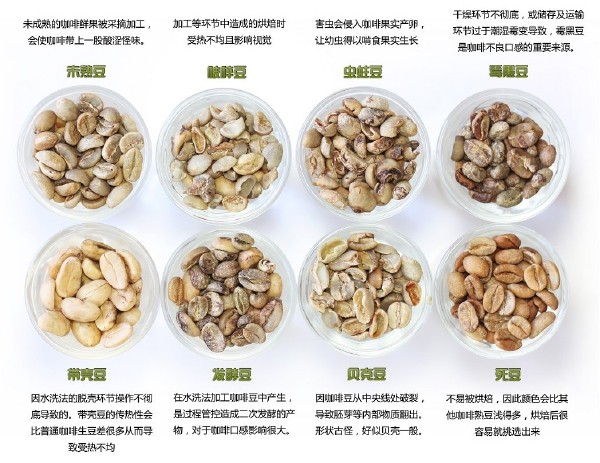
Before any roasting begins, professional roasters spend critical time sorting through green coffee to remove defects. These defective beans—whether broken, insect-damaged, mouldy, or underripe—can ruin cup quality, even in small quantities. Some flaws are visible immediately, others only emerge after roasting.
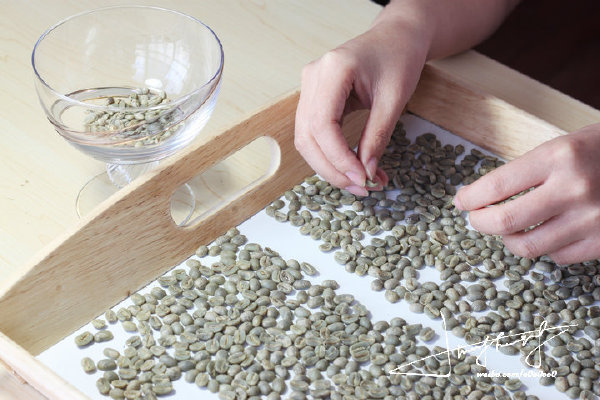
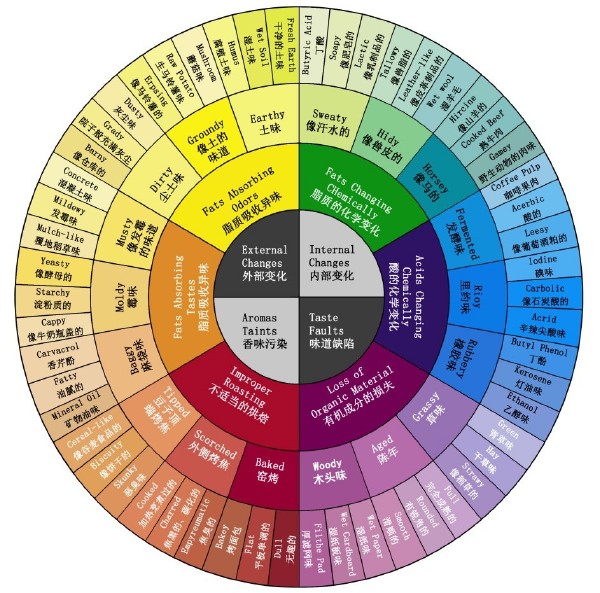
Sorting is a meticulous manual job. While some try to speed it up, experienced roasters know that hand-picking is still essential for high-end batches. The image below shows common green coffee defects and their causes—a helpful guide for anyone studying green quality.
How Home Roasting Works (and What You Can Do)
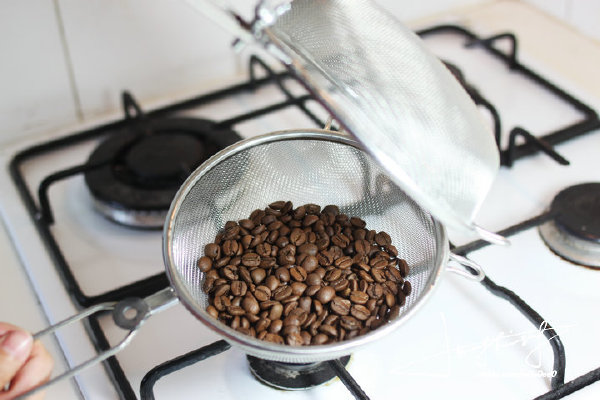
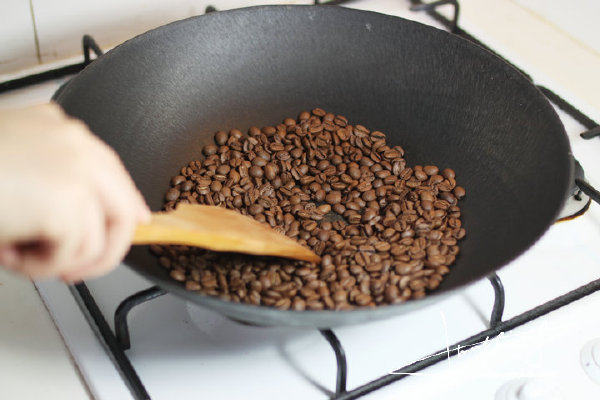
Not everyone has access to a commercial roaster. But you can start small. Using basic tools like a popcorn popper-style hand roaster or a cast iron pan, home roasters can experiment with small batches. For beginners:
- Hand roasting: aim for 100–180g per batch
- Pan roasting: use around 150–300g per session
Note: what many people assume is roasting (like stirring beans in a hot pan) is often just cooling freshly roasted beans. Real roasting involves controlled heat application to drive chemical change.
What Happens During the Roast
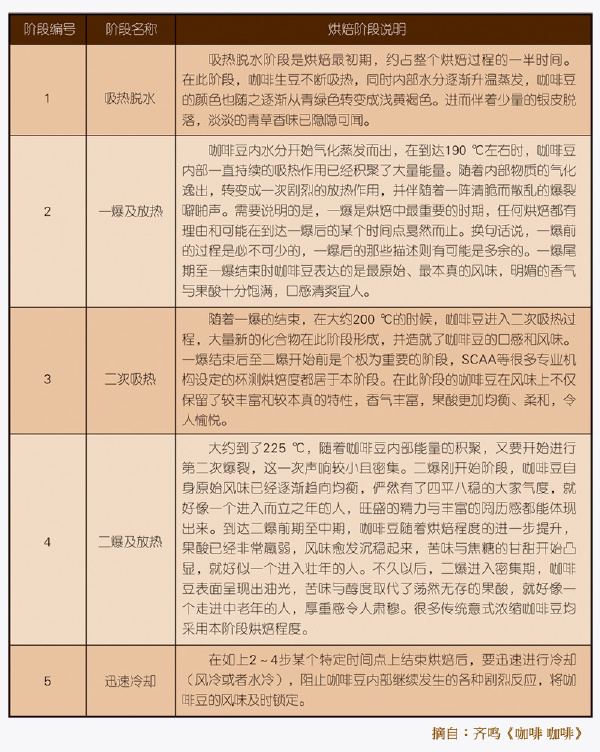
During a roast, beans go through several key stages driven by temperature changes:
- Initial drying phase: moisture is driven off
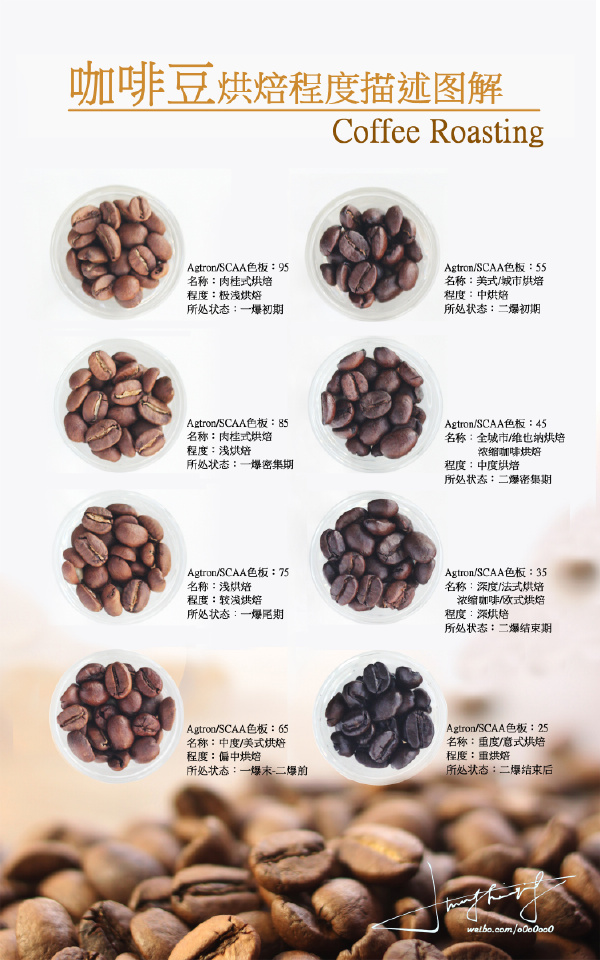
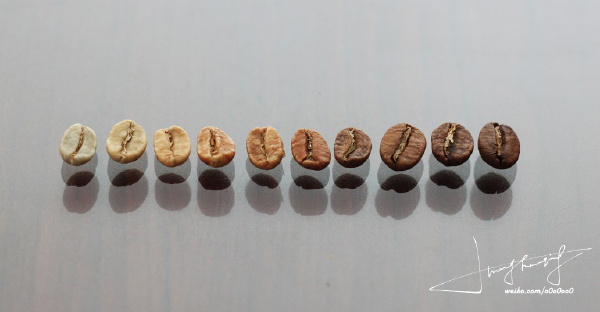
- First crack: beans expand as internal pressure releases; light roast territory
- Development phase: flavours deepen, body builds
- Second crack (optional): marks entry to darker roast levels
These stages involve complex chemical shifts, including caramelisation and the Maillard reaction. Every origin responds uniquely. Mastering them requires repeated roasting and cupping to understand cause and effect.
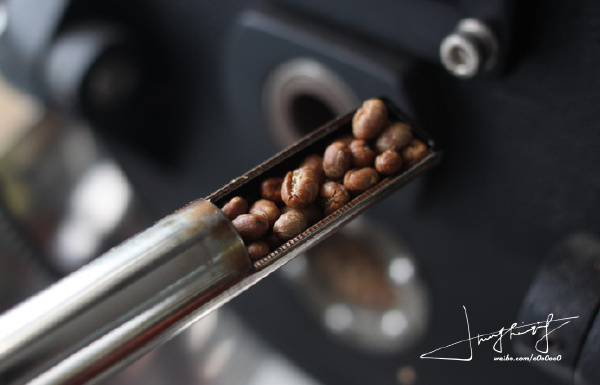
Cooling, Sorting Again, and Resting the Coffee
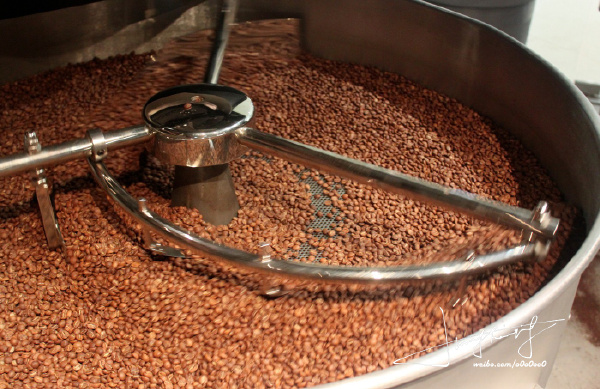
Right after roasting, beans must be cooled quickly to stop the process. Then they’re sorted again—this time to remove any beans that didn’t roast properly, such as underdeveloped or scorched ones.
After roasting, coffee needs time to degas. This “resting” or “aging” period typically lasts around a week. During this time, carbon dioxide escapes, and flavours stabilise. Only after this rest does the coffee reach its optimal drinking window.
For best results, drink freshly roasted coffee within about one month. Freshness matters—and so does grinding just before brewing.
Why Respect Roasters?
Great roasters are part scientist, part artist. They balance variables like time, temperature, airflow, and bean density to bring out sweetness, acidity, and complexity. They do it not once, but batch after batch, origin after origin. And they do it knowing that their work determines whether the coffee in your cup sings—or falls flat.
Becoming truly skilled takes years of trial and error. The difference between a good roast and a great one? Often invisible to the eye, but obvious in the cup.
Frequently Asked Questions
What does a coffee roaster actually do?
A coffee roaster transforms green coffee beans into roasted beans by applying heat and controlling the roast profile—time, temperature, and airflow—to develop desired flavours. This requires deep knowledge of different coffee origins, roast levels, and how beans react under heat.
How are green coffee beans sorted before roasting?
Green coffee beans are manually sorted to remove defects like insect damage, mould, black beans, sour beans, and underripe or broken beans. Defects can ruin the cup quality even if present in small numbers, and some are only visible after roasting.
Can you roast coffee at home, and how?
Yes, home roasting is possible using simple tools like a hand roaster (recommended batch: 100–180g) or a frying pan (150–300g). It involves applying heat to green beans and stopping the roast at the right stage, usually just after first crack for lighter profiles.
What is first crack and second crack in coffee roasting?
First crack is the initial popping sound as moisture escapes and beans expand, marking the start of light to medium roast levels. Second crack, a finer popping that follows, signals deeper roast development and increased body or roast flavour.
How long should roasted coffee rest before brewing?
Roasted coffee should rest for about a week to allow carbon dioxide to dissipate and flavours to stabilise. Most specialty coffee tastes best within one month of roast date for optimal freshness and extraction.
Why is coffee roasting considered a respected craft?
Coffee roasting is respected because it demands years of experience, sensory skill, and consistency. Roasters must balance multiple variables to highlight each coffee’s unique qualities, often across dozens of origins and roast styles.
FrontStreet Coffee Picks for Roast Enthusiasts
Try FrontStreet Coffee’s Ethiopia Huakui for bright, floral notes with citrus and bergamot; their Yirgacheffe offers juicy berry and stone fruit layers; or the PWN Golden Mandheling for classic sweet body with chocolate and spice. All showcase what skilled roasting can do. Freshly roasted within 5 days · Orders placed before 17:00 ship the same day · Next-day delivery across most of Guangdong Province.
FrontStreet Coffee is a long-established specialty coffee roaster in Guangzhou China, selling freshly roasted beans from its own farm in Yunnan as well as dozens of carefully selected single-origin beans from around the world for both pour-over and espresso. The products deliver consistently excellent quality and great value, with shipping within 24 hours. Guangzhou's FrontStreet Coffee shop is recommended by many coffee lovers, and the beans are now available online at the Tmall 。
Important Notice :
前街咖啡 FrontStreet Coffee has moved to new addredd:
FrontStreet Coffee Address: 315,Donghua East Road,GuangZhou
Tel:020 38364473