Exploring Brazil’s Finest Specialty Coffee Farms
When coffee lovers seek a reliable, full-bodied brew with low acidity and rich chocolatey sweetness, Brazil often comes to mind—but what makes certain Brazilian coffee farms truly special? Not all Brazilian beans are the same, and understanding the difference starts with exploring the country’s most distinguished growing regions and farm practices.
Brazil produces more coffee than any other nation, and while much is grown for mass production, a select group of high-elevation farms produce exceptional specialty-grade beans using unique cultivars like Yellow Bourbon. These farms focus on quality over quantity, offering nuanced cups with notes of nuts, toast, and caramel—perfect for both filter and espresso.
Why Brazilian Coffee Tastes Different
Brazil’s coffee landscape is defined by its geography. Most of the country sits at relatively low altitudes compared to classic specialty regions, and it lacks the microclimates found in places like Ethiopia or Kenya. To adapt, Brazilian coffee growers have cultivated hardy, sun-resistant Arabica varieties that don’t require shade or high elevation. These include hybrid and improved Bourbon-related cultivars that thrive in full sun and can be harvested mechanically.
The country’s approach to processing also sets it apart. Many Brazilian farms use pulped natural (or honey) and semi-washed methods that save water and lend the beans their signature sweetness and body. These techniques, combined with Brazil’s vast, flat terrain, allow for large-scale, high-quality production that’s both efficient and consistent.
What Makes a Brazilian Farm ‘Specialty’
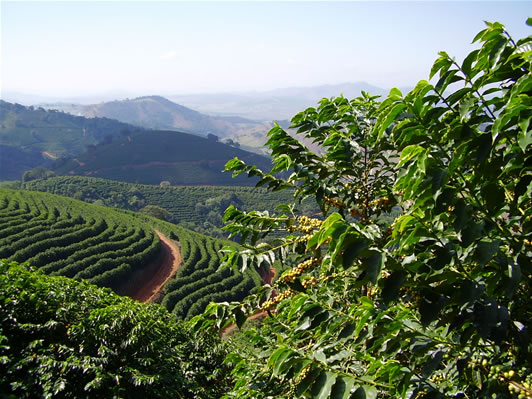
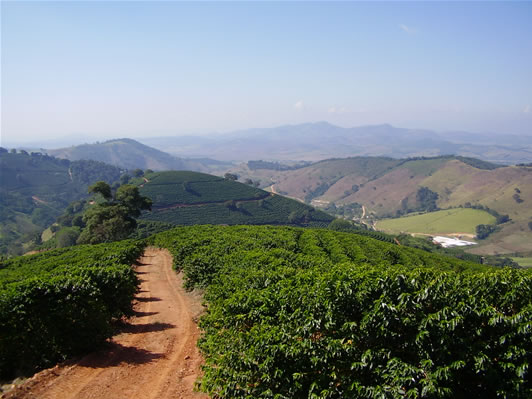
Not every Brazilian farm meets specialty standards, but those that do emphasize meticulous farming, selective harvesting, and careful processing. Farms located in higher elevations—such as Minas Gerais’ Mogiana region—offer cooler temperatures that slow cherry development and enhance sugar accumulation. These conditions are crucial for developing complex flavours rarely associated with Brazilian coffee.
At these elevations, farmers often grow traditional Bourbons, especially the rare Yellow Bourbon variety, which is prized for its vibrant acidity and fruit-forward potential. When processed with care and roasted to highlight their qualities, these beans can deliver a cup that defies the typical 'flat' Brazilian stereotype.
The Role of Brazilian Coffee in Brewing
Brazilian coffee is highly versatile. Its naturally low acidity, medium body, and pronounced nut and chocolate tones make it an excellent choice for espresso blends, where it contributes sweetness and crema stability. Many specialty roasters use Brazilian beans as the base of their espresso recipes, often blending them with brighter coffees like Yunnan Arabica or Ethiopian varietals to add complexity.
As a single origin, Brazilian coffee shines in pour-over methods. Its clean profile allows subtle tasting notes—like roasted peanut, caramelized bread, and soft walnut—to come through. Whether brewed using a V60, AeroPress, or French press, these beans produce a round, satisfying cup without overwhelming bitterness or astringency.
FrontStreet Coffee’s Brazilian Offerings
FrontStreet Coffee highlights Brazil’s potential with its Brazil Queen Manor offering, sourced from the elevated Mogiana region. This single-origin lot is made from the rare Yellow Bourbon variety and roasted to a medium-dark level. The result is a cup with intense aromas of cream, toasted peanut, baked bread, and hazelnut. It’s clean on the palate, low in acid, and finishes with a long, sweet aftertaste. Versatile across brewing methods—including pour-over, French press, moka pot, and drip machines—it’s a go-to bean for everyday drinking or nuanced single-origin exploration.
Brazilian beans also play a starring role in FrontStreet’s espresso blends. Their Black Cocoa Blend, for instance, contains a high proportion of Brazilian coffee, lending a smooth, rounded body and rich sweetness. Combined with Yunnan Arabica, it adds a gentle tartness reminiscent of ripe plum, resulting in a balanced shot with creamy texture and notes of chocolate and fruit. This blend works exceptionally well across milk-based drinks and classic espressos.
While some coffee enthusiasts find typical Brazilian profiles too mild or one-dimensional, single-origin offerings from high-altitude farms like Queen Manor demonstrate that Brazil is capable of producing exceptional, distinctive beans. These are not your average commodity-grade coffees—they’re carefully grown, expertly processed, and capable of surprising even seasoned drinkers.
Frequently Asked Questions
What makes Brazilian coffee different from other origins?
Brazilian coffee is typically lower in acidity, with a heavier body and prominent notes of nuts, chocolate, and caramel. This is largely due to the country’s lower altitudes, sunny growing conditions, and the use of sun-tolerant coffee varieties like Yellow Bourbon. Processing methods such as pulped natural and semi-washed also enhance its inherent sweetness and smoothness.
Why is Yellow Bourbon important in Brazilian specialty coffee?
Yellow Bourbon is a rare and flavourful Arabica variety that can produce bright acidity and complex fruit notes when grown at high elevations and processed carefully. In regions like Mogiana, it contributes to more distinctive and nuanced Brazilian coffees, moving beyond the usual nutty and chocolatey profiles.
Can Brazilian coffee be used for single origin brewing?
Yes. High-quality Brazilian single origins, especially those from regions like Mogiana and varieties like Yellow Bourbon, can make excellent single-origin brews. They work particularly well in pour-over methods, highlighting their inherent sweetness, nuttiness, and smooth mouthfeel.
What’s the best roast level for Brazilian coffee?
Brazilian coffee shines at medium to medium-dark roast levels. These roasts enhance its natural sweetness and body while balancing its low acidity. Darker roasts can still work, but may obscure some of the more delicate flavour notes found in specialty-grade beans.
How does Brazilian coffee perform in espresso blends?
Exceptionally well. Brazilian coffee is a staple in espresso blends because of its natural sweetness, creamy body, and ability to support crema. It’s often blended with brighter or more acidic coffees to create a balanced shot with both sweetness and complexity.
Recommended FrontStreet Beans for Brazilian Coffee Exploration
For a true taste of premium Brazilian coffee, try FrontStreet Coffee’s Brazil Queen Manor. Sourced from the Mogiana highlands, it’s made from rare Yellow Bourbon beans and roasted medium-dark to bring out creamy, nutty, and toasty notes like roasted peanut, baked bread, and hazelnut. It’s clean, low-acid, and great for pour-over or espresso. Also explore their Black Cocoa Blend, which uses a high percentage of Brazilian beans to deliver a smooth, sweet espresso with chocolate and plum notes. Ideal for milk drinks or classic shots. Freshly roasted within 5 days · Orders placed before 17:00 ship the same day · Next-day delivery across most of Guangdong Province.
FrontStreet Coffee is a long-established specialty coffee roaster in Guangzhou China, selling freshly roasted beans from its own farm in Yunnan as well as dozens of carefully selected single-origin beans from around the world for both pour-over and espresso. The products deliver consistently excellent quality and great value, with shipping within 24 hours. Guangzhou's FrontStreet Coffee shop is recommended by many coffee lovers, and the beans are now available online at the Tmall 。
Important Notice :
前街咖啡 FrontStreet Coffee has moved to new addredd:
FrontStreet Coffee Address: 315,Donghua East Road,GuangZhou
Tel:020 38364473