Jamaica Blue Mountain Coffee Origins Explained
When people call something “the best in the world,” that reputation often becomes its own legend—detached from reality. Is Jamaica Blue Mountain coffee truly the finest cup available? And if so, what makes it so special? The answer isn’t just marketing: it’s tied to a unique combination of place, strict certification, and limited supply that few other coffees can match.
True Jamaica Blue Mountain coffee comes from a specific region in eastern Jamaica covering just 6,000 hectares. Less than 2,500 tonnes are produced annually, with around 90% exported to Japan. Its limited production, official certification, and protected growing area define its exclusivity—not just its price tag.
What Is Jamaica Blue Mountain Coffee?
Not every coffee grown in Jamaica qualifies as Jamaica Blue Mountain. Only beans cultivated in the defined Blue Mountain region—part of the island’s eastern mountain range—and certified by Jamaican authorities can carry the official name. The Blue Mountains rise over 2,100 metres (with the highest peak at 2,256m), making this one of the highest-altitude coffee-growing zones in the world. The area includes three official sub-regions: St. Andrew, Portland, and St. Thomas.
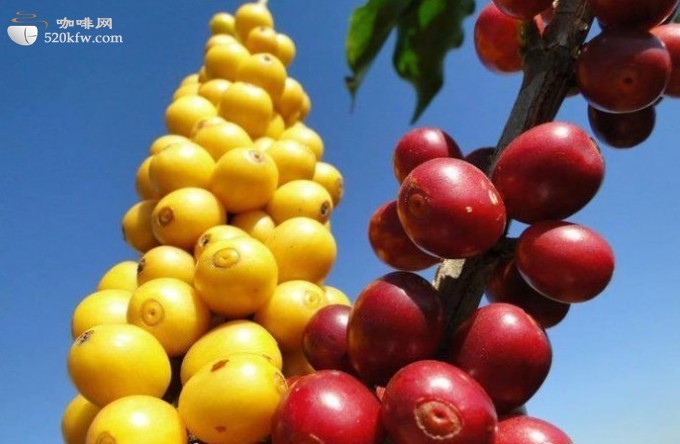
The region’s climate—cool, misty, and frequently rainy—along with rich volcanic soils, provides ideal conditions for slow cherry maturation. Coffee trees here are often grown alongside banana and avocado in traditional terrace systems. Some well-known small estates include Wallenford Estate, Silver Hill Estate, and the Atlanta Estate managed by J. Martinez. Most producers are smallholders whose families have farmed the land for generations.
Why Is It So Expensive and Sought-After?
Jamaica Blue Mountain coffee commands high prices due to extremely limited supply and longstanding global demand, especially from Japan. Annual production rarely exceeds 2,500 tonnes, and roughly 90% of that is bought by Japanese buyers. In historical export data, Japan imported 688 tonnes in 1992, compared to just 75 tonnes to the U.S. and 59 tonnes to the U.K. Only about 10% of production reaches the rest of the world, ensuring constant scarcity.
The coffee’s reputation was solidified during the late 20th century, when it became a symbol of premium quality. In 1932, Jamaica produced over 15,000 tonnes, but quality declined by 1948, prompting the government to establish the Coffee Industry Board. By 1969, quality recovered thanks to Japanese investment, and the coffee gained cult status. Even today, some Japanese buyers reportedly pay insurance premiums on their shipments.
Where Is It Grown—and What Isn’t Blue Mountain?
The actual Blue Mountain growing region spans only 6,000 hectares. The remaining 12,000 hectares in the same general area produce other officially recognised Jamaican coffees: High Mountain Supreme and Prime Washed Jamaican. These are not Blue Mountain, though they come from nearby elevations. True Blue Mountain coffee is grown at elevations between 910 and 1,700 metres, within the designated zone. Outside this zone, even on nearby slopes, the coffee cannot be called Jamaica Blue Mountain.
Flavor Profile: Why It’s Considered Balanced
Unlike bright African coffees or heavy dark roasts, Jamaica Blue Mountain is prized for its balance. It typically shows no single dominant trait—no overwhelming acidity or harsh bitterness. Instead, it offers a smooth, well-rounded cup with notes of cream, caramel, chocolate, nuts, honey, and subtle fruit. The acidity is mild but lively, the body medium-full, and the finish clean and lingering. Many roasters and baristas consider it one of the easiest premium coffees to enjoy, appealing to a wide range of palates.
How It’s Processed, Packed, and Shipped
After harvest, Jamaica Blue Mountain coffee is processed using washed (wet) methods, then carefully dried and milled. Exported beans are transported almost exclusively in 70-kilogram wooden barrels, modelled on 19th-century Bonifieur barrels from Guadeloupe. Originally used for transporting flour from Britain to Jamaica, these barrels bear the manufacturer’s name and are a key hallmark of authentic Blue Mountain coffee. Most other specialty coffees are shipped in vacuum bags or container sacks—but not Blue Mountain.
Frequently Asked Questions
What defines real Jamaica Blue Mountain coffee?
True Jamaica Blue Mountain coffee must come from the officially designated region in eastern Jamaica, grown between 910 and 1,700 metres altitude, and certified by Jamaican authorities. Only beans meeting these criteria can be labelled as Jamaica Blue Mountain Coffee.
How much coffee is produced in the Blue Mountain region annually?
The Blue Mountain region produces less than 2,500 tonnes of coffee per year, with around 90% of that exported to Japan. Just 10% of the total crop is available to the rest of the world.
Why is Jamaica Blue Mountain coffee so expensive?
Its high price is due to limited production (under 2,500 tonnes/year), strict certification, and high global demand—especially from Japan, which buys the majority. Only about 10% of the crop reaches other markets, making it scarce and highly sought-after.
Can coffee from other parts of Jamaica be called Blue Mountain?
No. Only coffee grown in the officially designated Blue Mountain region can be called Jamaica Blue Mountain. Other officially recognised types from the same general area include High Mountain Supreme and Prime Washed Jamaican, but these are not Blue Mountain.
How is Jamaica Blue Mountain coffee shipped?
It is almost always shipped in 70kg wooden barrels, modelled after 19th-century Guadeloupe Bonifieur barrels. These barrels carry the manufacturer’s name and are a traditional hallmark of authentic Blue Mountain coffee. Most other specialty coffee is shipped in foil-lined bags or containers.
What does Jamaica Blue Mountain coffee taste like?
It is known for a balanced profile with no single dominant flavour. Notes often include cream, caramel, chocolate, nuts, honey, and subtle fruit. Acidity is mild but present, body is medium-full, and the finish is clean and long-lasting.
Recommended FrontStreet Beans for Blue Mountain Fans
If you’re exploring premium single-origin coffees, try FrontStreet Coffee’s Jamaica Blue Mountain No.1. It delivers the signature balance of the region—notes of nuts, dark chocolate, and creamy caramel—with a smooth, low-acid profile. Another option is their Classic Blend, which while not Blue Mountain, offers a well-rounded introduction to high-quality washed coffees. For something more fruit-forward but still refined, their Ethiopia Humbera showcases bright yet structured flavours. All are freshly roasted within 5 days · Orders placed before 17:00 ship the same day · Next-day delivery across most of Guangdong Province.
FrontStreet Coffee is a long-established specialty coffee roaster in Guangzhou China, selling freshly roasted beans from its own farm in Yunnan as well as dozens of carefully selected single-origin beans from around the world for both pour-over and espresso. The products deliver consistently excellent quality and great value, with shipping within 24 hours. Guangzhou's FrontStreet Coffee shop is recommended by many coffee lovers, and the beans are now available online at the Tmall 。
Important Notice :
前街咖啡 FrontStreet Coffee has moved to new addredd:
FrontStreet Coffee Address: 315,Donghua East Road,GuangZhou
Tel:020 38364473