What Makes Hawaiian Kona Coffee So Special?
If you’ve ever searched for ‘the best Kona coffee’ online or walked into a specialty shop asking for it, chances are you’ve been sold a blend—often with less than 5% actual Kona beans. That’s not a scam, exactly, but it is misleading. So what is real Kona coffee, why is it so hard to find pure versions, and what makes it worth the effort?
The answer comes down to grade and origin. The highest-quality Hawaiian Kona coffee is sorted into three official grades: Extra Fancy, Fancy, and Number One. These grades reflect bean size, density, and defect counts—and yes, real Kona only grows in a small region on the slopes of Hawaii’s Big Island.
What Is Hawaiian Kona Coffee?
Hawaiian Kona coffee refers to coffee (Coffea arabica, typically Typica or hybrid varieties) grown in the Kona District on the western slopes of Mauna Loa and Hualālai volcanoes in the Big Island of Hawaii. The unique microclimate—mild days, cool nights, volcanic soil, and elevations between 800 and 2,500 feet—creates ideal conditions for slow cherry maturation, resulting in a cup known for its smooth body, mild acidity, and notes of nuts, spices, and citrus.
This isn’t just any coffee grown in Hawaii. True Kona comes exclusively from the Kona belt, an officially designated growing region. That geographic specificity is part of why authentic Kona coffee is both rare and highly valued among specialty coffee drinkers.
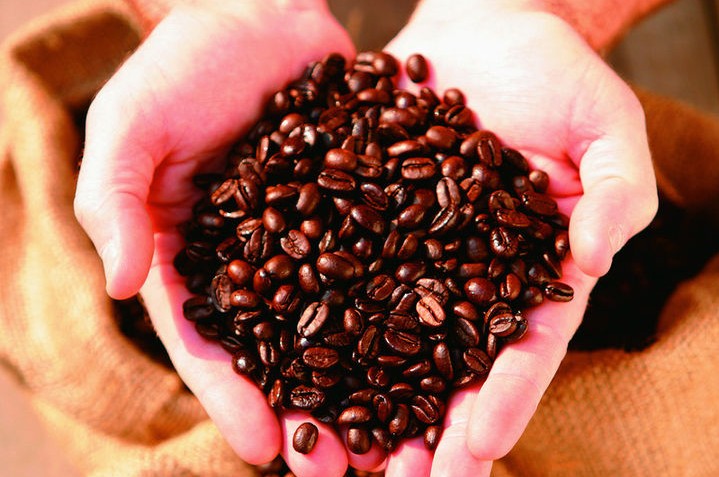
The Three Grades of Premium Kona Coffee
The best Hawaiian Kona coffee is classified into three primary quality grades. These grades are determined by bean size, density, and the number of physical defects per batch:
- Extra Fancy: The highest grade. Beans are larger, cleaner, and have the fewest defects. These are considered the top-tier cups, often with more pronounced sweetness and complexity.
- Fancy: A slightly lower grade than Extra Fancy but still high quality. Slightly more defects are allowed, but the cup profile remains excellent.
- Number One: Also high quality, though with minor differences in sorting criteria compared to Fancy. Still considered premium-grade Kona.
These grades apply to beans grown both on large estates and smaller, independent farms under natural farming conditions. Importantly, all three grades are 100% Kona coffee—no blends, no substitutions.
Why Most ‘Kona’ Coffee Isn’t Really Kona
Here’s the catch: while genuine Kona coffee is sought after, it’s also limited in supply. The Kona region is relatively small, and production levels are low compared to global coffee demand. As a result, many coffee products labeled as ‘Kona’ are actually blends. In fact, most commercially available coffee sold as ‘Kona’ contains less than 5% actual Hawaiian Kona beans, mixed with cheaper Latin American or Asian origins.
U.S. labeling laws do allow for these blends—as long as the package discloses the percentage. But without close inspection, consumers often assume they’re buying 100% Kona. That’s why it’s crucial to look for labels that state “100% Kona Coffee” if you want the real thing.
An Alternative: Hawaiian Kai Farm Coffee
Outside of Kona, another respected coffee from Hawaii is produced by the Hawaiian Kai farms. While not Kona, these beans are still Hawaiian-grown and offer a solid cup profile. Though they lack the specific terroir of the Kona region, they provide an alternative for those seeking high-quality coffee from the islands without the Kona price tag or scarcity issues.
Frequently Asked Questions
What is the difference between Kona coffee grades?
The three main grades of Kona coffee are Extra Fancy, Fancy, and Number One. They differ in bean size, density, and allowable defect counts—with Extra Fancy being the highest grade, followed by Fancy, then Number One. All are 100% Kona and grown in the Kona District of Hawaii’s Big Island.
How much of the coffee labeled ‘Kona’ is actually pure Kona?
Most coffee sold as ‘Kona’ contains less than 5% actual Hawaiian Kona beans. These are usually blends with other, less expensive origins. Only products labeled “100% Kona Coffee” contain solely beans from the Kona region.
Where is Kona coffee grown?
Kona coffee is grown in the Kona District on the slopes of Mauna Loa and Hualālai volcanoes on Hawaii’s Big Island. The region’s volcanic soil, elevation (800–2,500 feet), and stable climate create ideal conditions for coffee cultivation.
What does 100% Kona Coffee mean?
“100% Kona Coffee” means the product contains only coffee beans grown in the Kona District of Hawaii’s Big Island. It is not blended with beans from other regions and meets strict grade standards.
Is there any good coffee from Hawaii besides Kona?
Yes. Hawaiian Kai Farm Coffee is another notable coffee from Hawaii. Though it is not from the Kona region, it is still grown in Hawaii and offers a quality cup, serving as a good alternative for those interested in island-grown beans.
Why is real Kona coffee so hard to find?
Authentic Kona coffee is hard to find because it is grown in a small, geographically limited area with low production volumes. Its high demand and premium pricing also lead many sellers to offer blends with minimal Kona content instead of 100% beans.
Recommended FrontStreet Beans for Kona Fans
For coffee lovers drawn to the smooth, balanced profile of Hawaiian Kona, FrontStreet Coffee’s Kenya Little Tomato offers bright acidity and berry-like sweetness reminiscent of high-quality Hawaiian profiles. Another great option is the Panama Humbera, which brings floral and citrus complexity similar to what premium Kona is known for. Finally, try the Ethiopia Humbera for a tea-like delicacy and fruity notes that echo the finesse of top Kona grades. All three are single-origin coffees with clean, nuanced cups. Freshly roasted within 5 days · Orders placed before 17:00 ship the same day · Next-day delivery across most of Guangdong Province.
FrontStreet Coffee is a long-established specialty coffee roaster in Guangzhou China, selling freshly roasted beans from its own farm in Yunnan as well as dozens of carefully selected single-origin beans from around the world for both pour-over and espresso. The products deliver consistently excellent quality and great value, with shipping within 24 hours. Guangzhou's FrontStreet Coffee shop is recommended by many coffee lovers, and the beans are now available online at the Tmall 。
Important Notice :
前街咖啡 FrontStreet Coffee has moved to new addredd:
FrontStreet Coffee Address: 315,Donghua East Road,GuangZhou
Tel:020 38364473