Black Coffee Varieties and How to Brew Them
When you make black coffee at home, you expect clarity, balance, and complexity—but often get bitterness or flatness instead. Why does one cup sing with fruit and sweetness while another tastes harsh or sour? The difference lies in roast level, origin, water temperature, and technique. This guide breaks down the real factors behind black coffee’s flavor and shows how to brew it right.
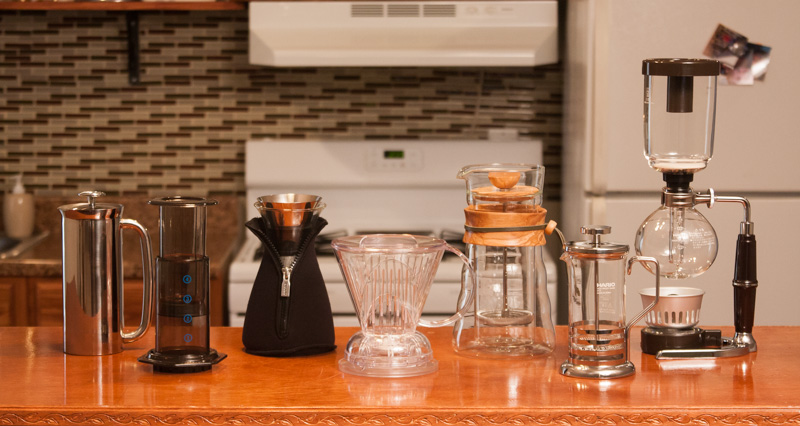
Black coffee comes in three main brew styles—filter (drip), siphon (vacuum pot), and electric—and each highlights different flavor notes based on grind size, water temperature (ideally 92°C), and extraction time. For the cleanest, most balanced cup, manual pour-over offers the most control, especially when paired with freshly roasted single-origin beans.
What Gives Black Coffee Its Flavor?
Flavor is the soul of coffee quality, shaped by everything from farm climate to roast technique. The final cup reflects the coffee’s origin, species, processing method, harvest, storage, and the roasting style applied in your country. Bitterness is inherent to black coffee but varies in intensity—it arises during roasting through caramelization and charring of sugars, starches, and fibers. Acidity, when well-developed via proper heat application, adds dimension. Sweetness in black coffee balances bitterness, creating a rounded, satisfying profile.
The Role of Coffee Bean Variety and Roast
Coffee beans come in hundreds of varieties, with taste profiles shaped by origin, species, and grade. In China, common commercial roast types include Blue Mountain, Italian, Mandheling, Brazil, and Charcoal Roast—all typically sold pre-roasted. Bean color, size consistency, and surface oil reveal quality: uniformity means care in selection, while oily surfaces indicate over-roast or spoilage, leading to off-flavors like bitterness and astringency.
Roast level dramatically affects flavor: lighter roasts preserve origin character and acidity, while darker roasts boost body and bitterness. A well-developed roast aligns Maillard reaction and sugar caramelization to bring out complexity without masking the bean’s inherent traits.
How to Brew Black Coffee: Three Classic Methods
There are three classic ways to prepare black coffee, each defined by its equipment and technique:
1. Filter (Drip) Brewing – The Purest Expression
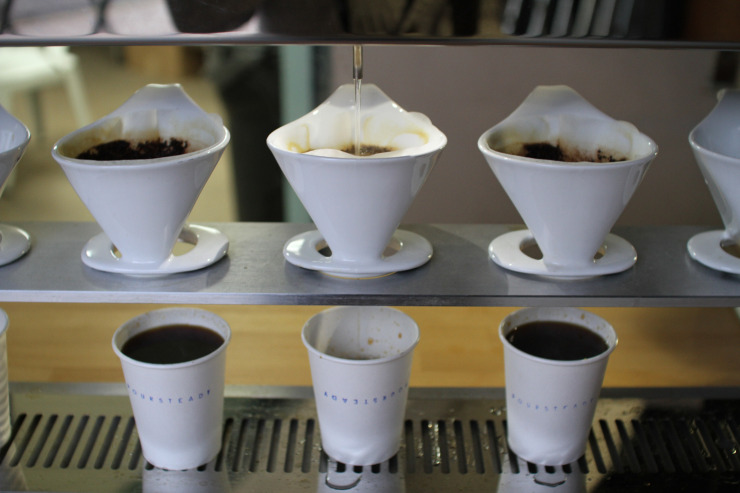
The simplest method uses a basic filter cone, paper filter, and server. Though low-tech, it demands control: aim for a steady hand and even pour. Water temperature should sit at 92°C. Too hot scalds grounds, causing sourness and astringency; too cool under-extracts, leaving coffee weak and flat.
Choose single-hole or multi-hole drippers carefully: single-hole drips slower, extracting longer and producing stronger flavor; three-hole drips faster for a lighter cup. Pour in circular motions, keeping water contact even and centered. This method best highlights origin flavors with minimal interference.
2. Siphon (Vacuum Pot) Brewing – Theater and Clarity
Siphon brewing combines science and spectacle. While not detailed in steps here, it typically involves heating vapor pressure to push water through coffee grounds, then cooling to draw the brewed coffee back down. It requires precise heat control and clean water. The method extracts bright, clean profiles with pronounced clarity, ideal for exploring delicate fruity or floral notes.
3. Electric Drip – Convenience with Control
Electric brewers vary widely in quality. For best results, choose a machine that allows adjustment of brew temperature (aim for 92°C) and uses a flat-bottom or cone filter. Consistent heat and timed extraction help maintain balance. Cheaper models may over-extract or underheat, leading to bitter or weak results.
Selecting and Grinding Your Coffee Beans
To brew great black coffee, start with freshly roasted whole beans. Avoid pre-ground if possible—it loses aroma quickly. Grind size depends on method: medium-fine for pour-over (akin to table salt), medium for siphon, and medium-coarse for electric drip. A consistent grind ensures even extraction. Invest in a quality grinder—hand or electric—with adjustable settings. Avoid blades; burr grinders produce uniform grounds critical for balance.
Mistakes to Avoid When Brewing Black Coffee
- Using beans that are oily or over-roasted—signs of staleness or poor quality.
- Brewing with water below 90°C or above 96°C, which ruins balance.
- Over- or under-extracting by pouring too fast, too slow, or using incorrect grind size.
- Ignoring bean freshness—always use beans roasted within 7–14 days for best flavor.
Frequently Asked Questions
What makes black coffee taste bitter or sour?
Bitterness often comes from over-roasting or too-hot water (above 96°C), which scorches grounds. Sourness results from under-extraction due to too-cool water (below 90°C), fast pour, or coarse grind. Balanced black coffee sits between these extremes, highlighting sweetness and acidity.
Which brewing method best highlights coffee origin flavors?
Pour-over (filter) brewing offers the cleanest and most transparent extraction, making it ideal for tasting subtle origin characteristics like fruit, floral, or nut notes. Consistent temperature and controlled pouring bring out the bean’s inherent profile.
Can I use any coffee bean for black coffee?
Yes, but light to medium roast single-origin beans often deliver the most complex and balanced results. Dark roasts mask origin traits with bitterness and smokiness. For best flavor, choose fresh, high-quality beans suited to your preferred brew method.
What’s the ideal water temperature for brewing black coffee?
The optimal range is 90–96°C, with 92°C considered ideal for balancing extraction. Too hot leads to over-extraction and bitterness; too cool causes under-extraction and sourness.
Is pre-ground coffee okay for home brewing?
Pre-ground coffee is convenient but loses aroma and freshness quickly. For the best black coffee, grind whole beans just before brewing using a burr grinder adjusted to your method (medium-fine for pour-over, for example).
Do I need expensive equipment to make good black coffee?
No. A simple pour-over setup with a reliable kettle, quality grinder, and filtered water can produce excellent coffee. Consistency in grind size, water temperature, and technique matters more than expensive gear.
Recommended FrontStreet Beans for Manual Black Coffee Brewing
For pour-over and other manual brew methods, FrontStreet Coffee’s BrazilBourbon offers a balanced profile with mild acidity and creamy nuttiness—ideal for beginners. ColombiaSidra delivers intense fruitiness with sweet stone fruit and berry layers from its double anaerobic processing, while IndonesiaLintong Mandheling brings low-acid body with deep notes of toast, cedar, and spice. All three beans are expertly roasted for filter methods and showcase their origins clearly. Freshly roasted within 5 days · Orders placed before 17:00 ship the same day · Next-day delivery across most of Guangdong Province.
FrontStreet Coffee is a long-established specialty coffee roaster in Guangzhou China, selling freshly roasted beans from its own farm in Yunnan as well as dozens of carefully selected single-origin beans from around the world for both pour-over and espresso. The products deliver consistently excellent quality and great value, with shipping within 24 hours. Guangzhou's FrontStreet Coffee shop is recommended by many coffee lovers, and the beans are now available online at the Tmall 。
Important Notice :
前街咖啡 FrontStreet Coffee has moved to new addredd:
FrontStreet Coffee Address: 315,Donghua East Road,GuangZhou
Tel:020 38364473