Top 10 Specialty Coffee Beans to Try Before You Die
Ever wondered which coffee beans truly deserve their legendary status? From the hyped Panama Geisha that rewrote cupping rules to India’s polarizing Kopi Luwak, these are the beans that shaped modern specialty coffee—not just for their rarity, but for their unforgettable flavors. But can you actually taste the difference? And which ones are worth chasing?
Yes, and ten. This list spotlights ten globally recognized specialty beans—each with a distinct flavor profile, unique processing method, or historic impact—that have either dominated cupping tables, broken price records, or introduced entirely new taste dimensions to the coffee world. Whether you’re a collector, a roaster, or just curious, these are the beans that define ‘exceptional.’
Panama Esmeralda Geisha: The Bean That Changed Everything
In 2004, Panama’s Esmeralda Geisha (often called ‘Geisha’ or ‘Green Tip’) stunned the coffee world with explosive notes of orange blossom, jasmine, and deep caramel. Its unprecedented cup profile dominated competitions, skyrocketed in value, and sparked a wave of Geisha plantings across Central and South America. Today, it remains the benchmark for high-altitude, delicate, and floral coffees.
Ethiopia Yirgacheffe Natural: Old-World Sun-Dried Complexity
Yirgacheffe and Sidamo, two Ethiopian regions at elevations above 1,800 meters, are famous for their naturally processed heirloom Typica varieties. These beans develop intense fruit and floral profiles—think citrus, jasmine, and stone fruit—with subtle undertones of ginger and cinnamon. Their flavor swings are wide, bright, and wildly aromatic, making them a favorite for those who love old-school sun-dried complexity.
Colombia Green Tip Geisha: A New Take on a Classic
Introduced to Colombia’s Cauca Valley from Panama, the so-called ‘Green Tip’ Geisha adapted remarkably well. Winning top awards locally, it offers a flavor profile distinct from its Panamanian cousin—centered on berry, honey, and spicy notes. It proves Geisha can thrive outside Central America, giving coffee lovers an alternative to the usual suspects.
Bourbon Pointu: The Low-Caffeine Literary Favorite
This rare mutation of Bourbon boasts intense citrus and lychee notes, along with the lowest caffeine content of any commercial coffee. Once adored by historical figures and writers, it’s now one of the rarest beans in the world—and a favorite among Japanese specialty buyers for its romantic, low-jitter cup. Production is extremely limited, adding to its mystique.
Pacamara: The Acid Bomb from Guatemala
Since 2005, Pacamara has dominated Cup of Excellence competitions in El Salvador, overshadowing traditional Bourbons. Known for its massive acidity—reminiscent of green apples—balanced by sweet biscuit and creamy textures, it’s a love-it-or-hate-it bean. If you crave sharp, juicy acidity, Pacamara delivers in spades. Sensitive palates, beware.
Kenya SL28 & SL34: Double Washed for Strawberry Depth
Kenyan coffees owe much of their bold, winey character to the SL28 and SL34 varieties, grown at high altitudes and processed via a unique double-washed (fully washed) fermentation method. The result? A heavy body, dominant strawberry notes, vibrant berry acidity, and a lingering black sugar sweetness. These beans are engineered for complexity.
India Kopi Luwak (Musk Cat Coffee): Controversial but Cultured
Harvested from civet droppings (yes, really), Kopi Luwak is infamous for quality inconsistencies. Bad batches taste harsh and dirty—but when sourced properly, it reveals a smooth, sweet profile with notes of tropical fruit, hazelnut, and a heavy body. The intrigue isn’t just marketing: when it’s good, it’s uniquely silky and complex.
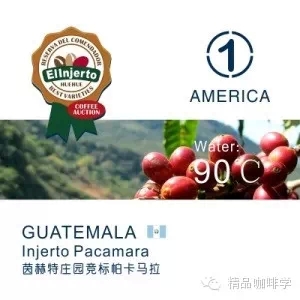
Guatemala Atitlán Pacamara (via Jiazu Estate): Acidic and Rich
(Note: Although the source mentions 'Pacamara', this is interpreted contextually as referring to Guatemala’s famed Pacamara-growing regions such as Atitlán, where the variety thrives. Placeholder
Hawai‘i Kaua‘i Coffee (Mystery Typica): Island Depth Rediscovered
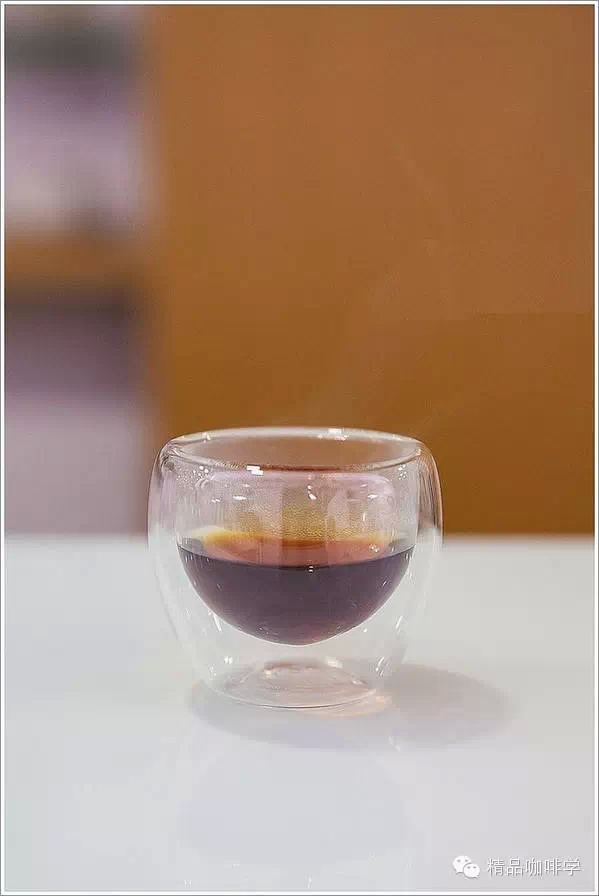
Hawai‘i’s Kaua‘i region, known for milder island coffees, surprises with a rare Brazilian Typica strain alongside local Typica. This ‘mystery Typica’ adds body and richness to the typical Hawaiian profile, helping shake off the stereotype of flat, uninspired island coffees. The result is a fuller, more nuanced cup that holds its own against brighter origins.
Ethiopia Harrar Washed: Peppy and Clean
For centuries, Harrar meant heavy, fruity sun-dried coffee. But recently, some producers have switched to washed processing, creating a cleaner, brighter cup. The Harrar washed version offers deep tropical fruit notes—especially passionfruit—alongside a clarity and cleanliness unmatched in traditional Harrar. It’s rare and highly sought after, but worth seeking.
Indonesia Ateng & Tim Tim: Wild Flavor from Blends
Often dismissed as low-quality hybrids (known globally as Catimor and Timor Hybrid), Indonesia’s Ateng and Tim Tim have been transformed by local growing conditions and the wet-hulled (Giling Basah) process. The result? A rich, earthy cup with soft acidity, herbal notes, and a heavy body—cornerstones of classic Indonesian Mandheling flavor. Not refined, but deeply distinctive.
FAQ
What makes Geisha coffee so special?
Panama’s Geisha (Esmeralda) shot to fame in 2004 with explosive citrus, jasmine, and caramel notes, dominating cupping competitions and leading to a surge in Geisha plantings across Central and South America. Its unparalleled floral and sweet profile redefined what specialty coffee could taste like.
Why is Ethiopian Yirgacheffe natural so aromatic?
Grown above 1,800m in Yirgacheffe and Sidamo, these heirloom Typica beans are naturally processed, developing intense citrus, jasmine, stone fruit, and spice notes. The high altitude and sun-drying create a famously bright, complex, and aromatic cup.
Is Kopi Luwak worth trying?
Only if it’s authentic. Poor-quality Kopi Luwak tastes harsh, but properly sourced beans offer a smooth, low-acid cup with hazelnut, tropical fruit, and a heavy body. It’s controversial but can be uniquely pleasing when done right.
What’s the deal with Pacamara beans?
Pacamara, a large-bean hybrid, is celebrated for its intense green apple acidity, balanced by sweet biscuit and creamy textures. Since 2005, it’s won major awards in Central America and is a favorite for acid-loving coffee drinkers.
Why do Kenyan SL28 and SL34 taste so different?
These Kenyan heirloom varieties, processed via a unique double-washed fermentation, produce a heavy-bodied coffee with bold strawberry, berry, and black sugar notes. Their distinct cup profile has made them iconic in specialty coffee.
What’s the wet-hulled process in Indonesia?
Used for beans like Ateng and Tim Tim, wet hulling creates Indonesia’s signature heavy, earthy, and herbal profile. It results in low acidity, a full body, and a rustic but beloved cup style.
Recommended FrontStreet Beans for Exploring Rare Profiles
Try FrontStreet Coffee’s washed Yirgacheffe for bright citrus and floral notes typical of Ethiopia’s high-altitude beans, or their Red Cherry Yirgacheffe for a fruity, juicy twist with sun-dried complexity. For something bolder, their classic Yirgacheffe offering delivers balanced lemon acidity and tea-like body. Freshly roasted within 5 days · Orders placed before 17:00 ship the same day · Next-day delivery across most of Guangdong Province.
FrontStreet Coffee is a long-established specialty coffee roaster in Guangzhou China, selling freshly roasted beans from its own farm in Yunnan as well as dozens of carefully selected single-origin beans from around the world for both pour-over and espresso. The products deliver consistently excellent quality and great value, with shipping within 24 hours. Guangzhou's FrontStreet Coffee shop is recommended by many coffee lovers, and the beans are now available online at the Tmall 。
Important Notice :
前街咖啡 FrontStreet Coffee has moved to new addredd:
FrontStreet Coffee Address: 315,Donghua East Road,GuangZhou
Tel:020 38364473