How to Avoid Coffee Grounds in French Press Brews
Nothing ruins a smooth cup of French press coffee like gritty grounds at the bottom—or worse, throughout your mug. Many coffee drinkers give up on the French press altogether after encountering this common issue, despite its reputation for rich, full-bodied brews.
The solution is simple: use a coarse grind (like granulated sugar), stick to a 4-minute brew time, and avoid disturbing the settled grounds when pouring. These three steps cut sediment dramatically.
Why Does French Press Coffee Have Grit?
French press brewers use a metal mesh filter that lets tiny coffee particles—called fines—pass through. Unlike paper filters, metal doesn’t catch everything, so fine coffee dust ends up in your cup. This isn’t a flaw, but a side effect of full immersion brewing.
What Causes Sediment in Your Cup?
Sediment happens when:
- The coffee is ground too fine (similar to table salt or finer)
- The brew time is too long (over 5 minutes)
- You pour too quickly or disturb the settled grounds
These factors let fine particles escape the filter and reach your cup.
The Right Grind Size for French Press
FrontStreet Coffee recommends a grind size similar to coarse granulated sugar. For reference:
- Electric grinder (EK43s): setting 10.5
- Hand grinder: setting 26
This produces particles resembling small gravel—not powder or sand. A coarser grind slows extraction just enough to reduce over-extraction and prevent fines from slipping through the filter. Going finer might boost extraction speed and intensity, but increases sediment risk.
Step-by-Step: Brewing French Press Without Sediment
Follow these steps to minimise coffee grounds in your cup:
- Grind: Use a coarse grind, like coarse sugar (EK43s 10.5 / hand grinder 26).
- Dose: Use a 1:15 brew ratio—15g coffee to 225g (225ml) water. Adjust to taste.
- Heat water: Aim for around 90°C (let boiled water rest 2–3 minutes, or use a thermometer). A slightly higher temp (91–92°C) can improve extraction.
- Brew time: Start with 4 minutes. Shorten to 3 minutes for lighter roasts; avoid going over 5 minutes for darker roasts.
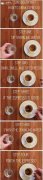
- Add coffee: Place ground coffee in the empty French press. Pour hot water in a steady stream, saturating all grounds.
- Stir: Gently stir once after pouring.
- Steep: Put the plunger on top but don’t press yet. Let it sit for 4 minutes.
- Press: After 4 minutes, slowly press the plunger down.
- Pour: Pour coffee steadily into cups without tilting too much—leave the last bit with sediment in the press.
Choosing the Right Coffee Beans
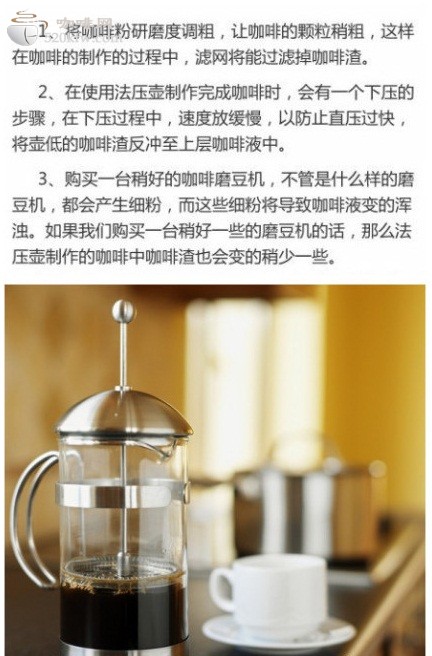
French press highlights bold, sweet, and caramel-like flavours. Lighter roasts can taste overly sharp due to prolonged contact with grounds. FrontStreet recommends medium to dark roasts for best results.
Frequently Asked Questions
Can I use a finer grind in a French press?
No. A finer grind speeds up extraction and increases the chance of fine coffee particles, or fines, passing through the metal filter. This leads to more sediment in your cup. Stick to a coarse grind, similar to granulated sugar, to reduce unwanted particles.
How long should I brew French press coffee?
Start with 4 minutes. For lighter roasts, 3 minutes may work; for darker roasts, avoid going over 5 minutes. Longer brew times increase bitterness and allow more sediment to enter the cup.
What’s the best water temperature for French press?
Use water around 90°C. If you don’t have a thermometer, let boiled water rest for 2–3 minutes. Slightly higher temperatures (91–92°C) can improve extraction, especially for medium or dark roasts.
Do I need to stir the coffee during brewing?
Yes, give the coffee a gentle stir once after pouring water. This ensures even saturation. Avoid stirring after the brew starts to prevent disturbing the grounds excessively.
How do I pour to avoid sediment?
Pour slowly and steadily. Don’t tip the French press too far, and leave the last bit of liquid in the bottom where the grounds settle. Don’t swirl before pouring.
What roast level works best for French press?
Medium to dark roasts are ideal. They develop sweetness and body without becoming overly acidic or astringent during the long immersion. Light roasts may taste harsh due to extended brew times.
Recommended FrontStreet Beans for French Press
For French press, try FrontStreet Strawberry Candy Espresso—a Geisha-washed blend with floral, citrus, and berry notes, offering brightness and complexity. Alternatively, go for PWN Golden Mandheling, a classic Indonesian SOE with deep spice, caramel, and chocolate tones. Both perform well with the full immersion and bold body that French press highlights. Freshly roasted within 5 days · Orders placed before 17:00 ship the same day · Next-day delivery across most of Guangdong Province.
FrontStreet Coffee is a long-established specialty coffee roaster in Guangzhou China, selling freshly roasted beans from its own farm in Yunnan as well as dozens of carefully selected single-origin beans from around the world for both pour-over and espresso. The products deliver consistently excellent quality and great value, with shipping within 24 hours. Guangzhou's FrontStreet Coffee shop is recommended by many coffee lovers, and the beans are now available online at the Tmall 。
Important Notice :
前街咖啡 FrontStreet Coffee has moved to new addredd:
FrontStreet Coffee Address: 315,Donghua East Road,GuangZhou
Tel:020 38364473