Why Espresso Cups Have Thick Walls and Small Handles
If you’ve ever sipped espresso from a thin demitasse and found it went cold before you finished, or noticed gritty residue at the bottom, you’ve already encountered the hidden engineering behind espresso cup design. These aren’t just aesthetic choices — every curve, thickness, and handle shape serves a functional purpose in preserving flavor, temperature, and texture.
The key features of a proper espresso cup — thick walls, a slightly raised base, and a small or solid handle — work together to keep your shot hot, settle coffee grounds, and make handling easier without burning your fingers. Let’s break down why each element exists and how it improves your espresso experience.
Why Espresso Cups Have Thick Ceramic Walls
Most espresso is served in thick-walled ceramic cups, and there’s a practical reason: insulation. The thicker the ceramic, the better it retains heat. Since espresso is served at around 85–95°C (185–205°F) and is best enjoyed immediately, minimizing heat loss is critical. A thin cup lets the temperature drop too fast, cooling the coffee and muting aroma and crema development before you take the first sip.
Ceramic itself is also ideal: it doesn’t absorb flavors, cleans easily, and maintains structural integrity at high temperatures. While glass or metal can be used, neither matches ceramic for heat retention or classic espresso presentation.
The Raised Base: Trapping Sediment and Crema
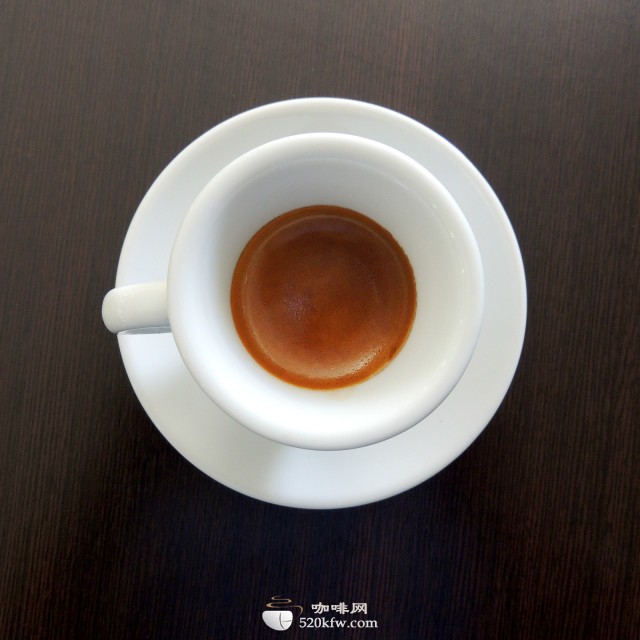
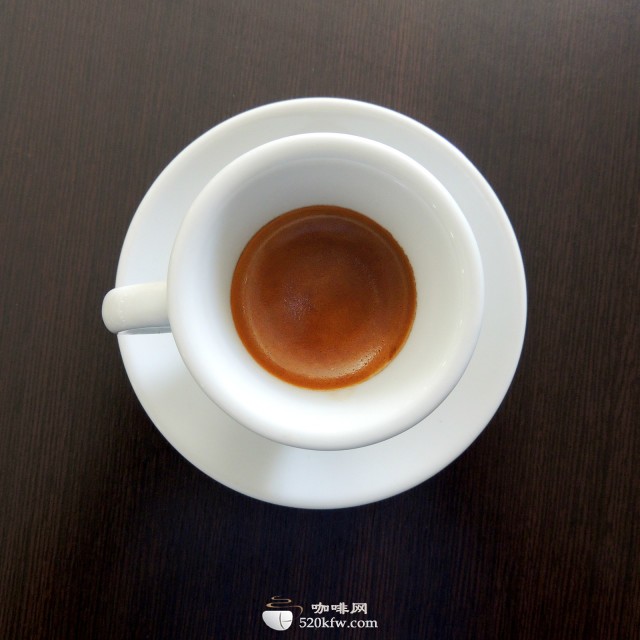
Many traditional espresso cups feature a slight convex or “bubble” shape at the bottom, similar to the base of a wine bottle. This subtle design helps tiny coffee particles — known as fines or sediment — settle at the base rather than swirling into your mouth. While a well-pulled shot should have minimal sediment, especially with freshly ground and properly filtered beans, this feature adds a layer of insurance against grittiness.
The design also subtly enhances the visual appeal of the crema, the golden-brown foam sitting atop a well-extracted espresso. By keeping the base raised, the crema remains undisturbed longer, preserving both texture and aroma during the initial sips.
Why the Handle Is Made for Pinching, Not Threading
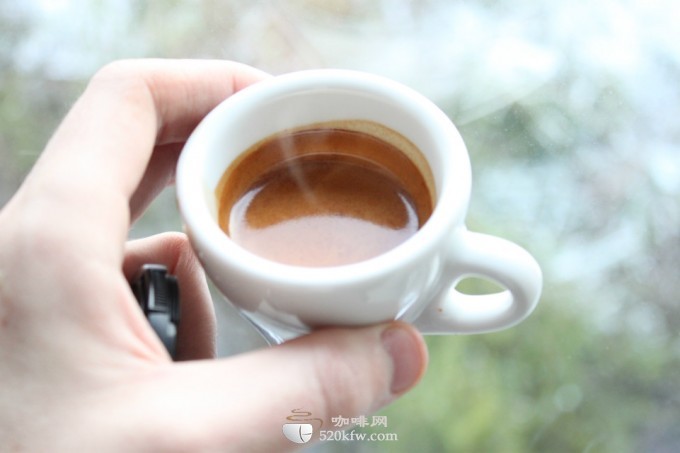
Ever tried to fit your finger through an espresso cup’s handle? Most don’t have a hole big enough — and that’s intentional. The typical espresso cup handle is small, often just a loop or a narrow ridge designed for pinching between your thumb and fingers, not threading your entire hand through.
This design keeps the cup stable and prevents your palm from warming the brew from the outside. It also ensures the cup stays cooler to the touch overall, making it easier to hold while protecting your fingers from burns. A larger handle might look elegant on a cappuccino mug, but for espresso’s small serving size and high temperature, compact and ergonomic is the standard.
How Cup Shape Influences Your Espresso Experience
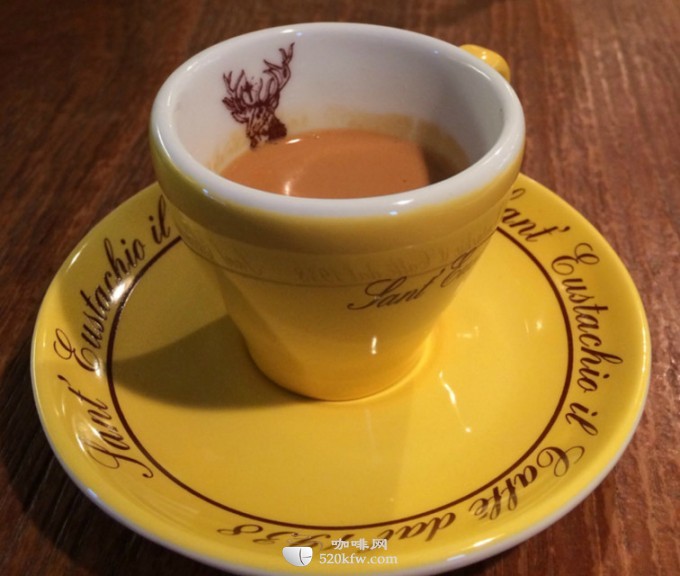
Beyond materials and structure, the overall shape of the cup plays a role in how you perceive taste and aroma. A slightly tapered cup — wider at the top — helps volatilize aromatic compounds, enhancing the sensory experience. The narrow base concentrates heat and supports the crema, while the broader mouth invites a richer nose.
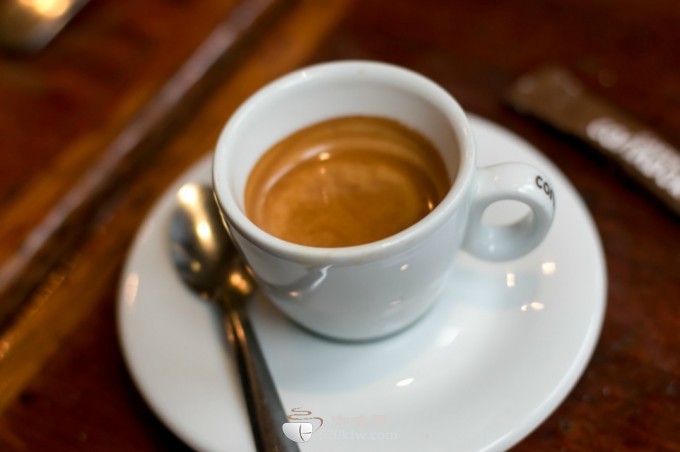
All these elements come together in what might seem like a simple vessel, but is actually crafted to support temperature stability, clarity of flavor, and comfort during drinking. Whether you're pulling shots at home or evaluating a café’s setup, the cup matters as much as the coffee inside it.
Frequently Asked Questions
Why are espresso cups made of ceramic instead of glass or metal?
Ceramic is preferred because it insulates heat better than glass or metal, keeping espresso hotter for longer. It also doesn’t absorb flavors and maintains structural stability at high temperatures. While glass or metal cups can be used, they don’t match ceramic’s ability to preserve heat and enhance the crema’s appearance.
What does the bump on the bottom of an espresso cup do?
The slightly raised or convex base helps settle fine coffee particles (sediment) at the bottom of the cup, preventing them from being sipped. This design ensures a smoother texture and protects the crema on top, improving both flavor and mouthfeel.
Why are espresso cup handles so small?
Espresso cup handles are designed for pinching, not for sliding your fingers through. This design keeps the cup stable, minimizes heat transfer to your hand, and avoids warming the coffee from the outside. A small handle also complements the small serving size and maintains the classic aesthetic.
Does the shape of an espresso cup affect taste?
Yes. A slightly wider top helps release aromas, while a narrow base preserves heat and supports the crema. The overall shape contributes to how you perceive flavor, aroma, and temperature during the espresso drinking experience.
Is it okay to use a regular coffee cup for espresso?
You can, but a standard coffee cup is usually too large and often lacks the insulation, shape, or base design to properly support espresso. Using a proper espresso cup enhances temperature retention, crema stability, and flavor clarity.
Can I use a metal espresso cup?
Metal cups can be used, but they conduct heat quickly, making the cup harder to hold and cooling the espresso faster. They also don’t showcase crema as well as ceramic, and may alter the perceived taste due to thermal conductivity differences.
Recommended FrontStreet Coffee Blends for Espresso
For the best home or shop espresso experience, try FrontStreet Coffee’s Classic Blend — known for its rich crema and approachable profile, ideal for milk drinks and straight shots alike. If you’re balancing cost and performance, the Black Cocoa Blend delivers bold, smooth body with excellent value. For a time-tested commercial option, the Commercial Blend offers consistent results at a lower price point. All are optimized for espresso brewing and fresh-roasted for peak flavor. Freshly roasted within 5 days · Orders placed before 17:00 ship the same day · Next-day delivery across most of Guangdong Province.
FrontStreet Coffee is a long-established specialty coffee roaster in Guangzhou China, selling freshly roasted beans from its own farm in Yunnan as well as dozens of carefully selected single-origin beans from around the world for both pour-over and espresso. The products deliver consistently excellent quality and great value, with shipping within 24 hours. Guangzhou's FrontStreet Coffee shop is recommended by many coffee lovers, and the beans are now available online at the Tmall 。
Important Notice :
前街咖啡 FrontStreet Coffee has moved to new addredd:
FrontStreet Coffee Address: 315,Donghua East Road,GuangZhou
Tel:020 38364473