Where to Find the Best Espresso in Your City?
You’ve walked into a new café, ordered an espresso, and waited. The barista hands you a small cup—dark, thick, maybe with a layer of golden foam on top. But is it any good? You take a sip. Maybe it’s sour, or bitter, or just… flat. How can you tell if you’re drinking a well-made espresso—or just an average one? And more importantly, where can you actually find one that’s truly excellent?
The short answer: the best espresso often comes down to balance, texture, and crema. Experts say a great shot has a velvety mouthfeel, rich but not harsh flavors, and a stable crema that holds aromas. Many pros judge a café’s skill based on just that one shot—and it takes the right beans, grind, pressure, and technique to get it right.
What Makes Espresso ‘Good’?
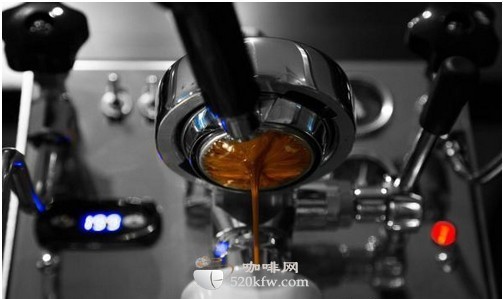
Espresso is not just strong coffee. It’s a concentrated shot brewed under high pressure—typically 9 bars—with very hot water (around 90–96°C) passed through finely ground coffee in about 25–30 seconds. The result should be a small, dense drink with a layer of crema on top: that golden-brown foam that carries aroma and affects flavor.
A high-quality espresso delivers a balanced taste—notes of chocolate, caramel, nuts, or fruit—without being overly bitter or sour. The body should feel thick and silky, almost like warm honey, and the aftertaste should linger pleasantly. That’s why so many coffee experts say: if you want to know how good a café is, order an espresso.
Why Crema Matters (And What It Tells You)
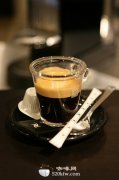
That golden layer floating on top isn’t just for show. Crema is formed during extraction when carbon dioxide released from the coffee grounds mixes with water and oils under pressure. It contributes to the espresso’s aroma, texture, and even some of its flavor complexity.
Good crema is typically reddish-brown to dark tan, velvety in texture, and lingers for a minute or more after pouring. If it’s pale, quickly dissipates, or looks bubbly and thin, that’s often a sign of under-extracted or old coffee. A skilled barista can adjust grind size, dose, tamp pressure, and extraction time to produce the ideal crema—and it’s one of the first things experienced coffee drinkers look for.
What Determines Espresso Quality?
Many factors influence how your espresso turns out:
- Beans: Fresh, high-quality roasted coffee—usually a blend optimized for espresso—makes the biggest difference. Darker roasts tend to bring out heavier, chocolatey tones; lighter roasts can highlight fruitier or more acidic notes.
- Grind size: Too coarse, and the water flows too fast, resulting in under-extraction and sourness. Too fine, and it over-extracts, leading to bitterness. The ideal grind is very fine, similar to powdered sugar or table salt.
- Dose: Most cafés use around 18–20 grams of coffee per double shot.
- Tamping: Even, firm tamping ensures consistent water flow. Too light, and extraction is uneven; too hard, and it restricts flow excessively.
- Extraction time: Aim for around 25–30 seconds for a standard double shot. This produces a balanced yield of around 36–40 grams of espresso.
When all of these elements align, you get a shot that’s aromatic, balanced, and pleasurable from the first sip to the last.
How Do Professionals Judge an Espresso?
Coffee experts and baristas often evaluate espresso based on four criteria:
- Taste balance: Sweetness, acidity, and bitterness should all be present without overpowering each other.
- Mouthfeel: The body should be rich and syrupy, coating your tongue without being gritty or watery.
- Crema quality: Color, thickness, and persistence all matter.
- Aroma: The smell should be inviting and reflect the coffee’s origin and roast level.
These standards help pros determine not just whether an espresso is “good,” but whether it reflects skill, care, and quality ingredients. That’s why so many coffee professionals say a great espresso is the true test of a café’s abilities.
Frequently Asked Questions
What does a good espresso taste like?
A well-made espresso should balance sweetness, acidity, and bitterness, with flavors that might include chocolate, nuts, caramel, or fruit. It should feel thick and smooth in the mouth, not sour or overly bitter, and leave a pleasant aftertaste. The crema should add to the aroma and initial flavor experience.
Why is crema important in espresso?
Crema is the golden foam on top of a properly extracted espresso. It contributes to aroma, enhances texture, and helps carry flavor. Good crema is smooth, persistent, and reddish-brown, while poor crema can signal issues like over- or under-extraction, stale coffee, or incorrect technique.
What’s the ideal espresso extraction time?
Most experts aim for a double espresso to pull in around 25–30 seconds. This time frame, with the right grind and dose, usually produces a balanced shot with good flavor and body. Too short, and it’s under-extracted; too long, and it becomes bitter.
Does the type of coffee bean affect espresso flavor?
Yes. Espresso is typically made with a blend or single origin beans roasted specifically for espresso. Darker roasts tend to be richer and more chocolatey, while lighter roasts can bring out fruit and floral notes. The bean origin, freshness, and roast level all shape the final flavor.
Can you make good espresso at home?
Yes, with the right equipment—including a quality espresso machine, grinder, and fresh beans—you can make excellent espresso at home. Getting the grind size, dose, tamp, and extraction time right is key, and may take some practice.
How do I know if a café serves good espresso?
Order one. A well-made espresso should have balanced flavor, good body, and attractive crema. If it tastes sour, bitter, weak, or lacks crema, the café may be using poor-quality beans, outdated equipment, or inconsistent techniques. Many coffee experts judge a café’s overall skill based on their espresso.
Recommended FrontStreet Coffee Blends for Espresso
FrontStreet Coffee’s Classic Blend is tailored specifically for espresso and milk drinks, producing rich crema even with non-professional machines—perfect for home baristas. Its traditional Manso (Mandheling + Santos) style offers a smooth, rounded profile that appeals to both new and experienced coffee drinkers. For cafés balancing cost and quality, the Black Cocoa Blend delivers full-bodied flavor and strong crema at an accessible price point. The Commercial Blend is another solid workhorse, offering reliable performance and a balanced cup for high-volume settings. All three blends are optimized for espresso extraction. Freshly roasted within 5 days · Orders placed before 17:00 ship the same day · Next-day delivery across most of Guangdong Province.
FrontStreet Coffee is a long-established specialty coffee roaster in Guangzhou China, selling freshly roasted beans from its own farm in Yunnan as well as dozens of carefully selected single-origin beans from around the world for both pour-over and espresso. The products deliver consistently excellent quality and great value, with shipping within 24 hours. Guangzhou's FrontStreet Coffee shop is recommended by many coffee lovers, and the beans are now available online at the Tmall 。
Important Notice :
前街咖啡 FrontStreet Coffee has moved to new addredd:
FrontStreet Coffee Address: 315,Donghua East Road,GuangZhou
Tel:020 38364473