What Determines Coffee Quality? It Starts with the Tree
Ever brewed a cup of coffee that just fell flat? Maybe it lacked brightness, had off-flavors, or simply didn’t taste like anything special. You’re not alone—many coffee drinkers wonder why some beans shine while others disappoint. The truth is, your final cup starts long before brewing. Many factors determine whether a coffee bean reaches its full potential, and the very first link in that chain is the coffee plant itself and the environment it grows in.
The short answer is yes: coffee quality begins with the tree. Factors such as plant species, soil composition, growing conditions, and especially altitude play major roles. In fact, altitude alone can dramatically alter flavor profiles, with higher elevations often producing brighter, more complex coffees thanks to slower bean development.
How Coffee Plants Shape Your Cup
Coffee quality starts at the source: the coffee plant. Different species and varieties (like Typica, Bourbon, or Geisha) have unique flavor potentials. But it’s not just the plant DNA—where and how the tree grows matters enormously. The plant absorbs everything around it: nutrients from the soil, moisture from rainfall, and even surrounding scents and flavors. This sensitivity means coffee is highly responsive to its environment, making origin a critical variable in your cup’s outcome.
The Big Four: What Really Influences Coffee Quality
Four primary factors determine the baseline quality of coffee before it even reaches the roaster:
- Plant Type: Varieties like Bourbon or Geisha naturally lean toward certain flavor profiles—think fruitiness or floral notes.
- Soil: Nutrient-rich, well-drained soils contribute to healthier trees and more vibrant beans.
- Growth Conditions: Climate, rainfall patterns, and shade levels affect growth speed and bean development.
- Altitude: Higher altitudes slow ripening, allowing beans to develop more sugars and complex acids. This is why high-grown coffees often taste brighter and more nuanced.
From Tree to Roast: Fragile Flavor Chemistry
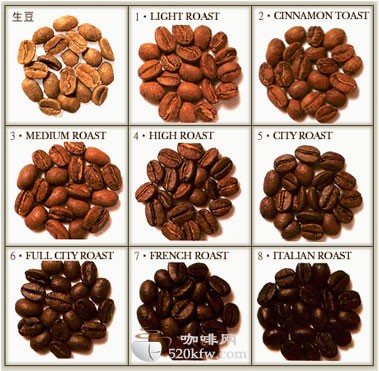
Even with perfect growing conditions, coffee’s delicate flavor compounds are easily disrupted. The beans are highly absorbent—too much moisture, and mold can set in. Under-roasting leaves coffee sour and underdeveloped; over-roasting burns away nuance, leaving a charred, bitter profile. Timing matters too: once roasted, coffee peaks within days and begins to stale within about a week if not stored properly. That’s why quality control starts on the farm and continues through roasting and storage.
Why Origin Matters More Than You Think
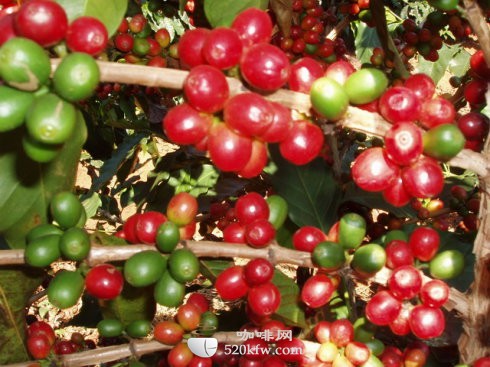
When coffee professionals talk about “origin,” they aren’t just being romantic—they’re referencing the combined impact of geography, variety, and farming practices. For example, a Bourbon variety grown at 1,800 meters in Yirgacheffe will express itself differently than the same variety at sea level in Brazil. Altitude, soil, and climate combine to create what’s known in the industry as a “terroir”—the unique fingerprint of a coffee’s birthplace. That terroir is the foundation of all flavor before a roaster even touches the beans.
Frequently Asked Questions
Does the type of coffee plant really affect flavor?
Yes. Different coffee varieties like Bourbon, Typica, or Geisha have innate flavor tendencies. For example, Geisha often shows floral and tropical notes, while Bourbon tends to be sweeter with caramel undertones. These genetic traits form the flavor baseline before environmental factors come into play.
How does altitude impact coffee flavor?
Higher altitudes slow the coffee cherry’s maturation, allowing the bean to develop more complex sugars and acids. This usually results in a brighter, more acidic, and nuanced cup compared to lower-altitude-grown beans, which often taste heavier and more muted.
Can soil really change how coffee tastes?
Absolutely. Soil composition affects nutrient availability, which influences the health of the coffee plant and the beans’ chemical development. Well-drained, mineral-rich soils tend to produce more vibrant and complex coffees.
Why do roasted coffee beans lose flavor so quickly?
After roasting, coffee beans release carbon dioxide and begin to oxidize. Within days, volatile aromatic compounds start to degrade, leading to a loss of freshness and complexity. Most specialty roasters recommend using beans within 7–14 days of roast for peak flavor.
What happens if coffee beans are under- or over-roasted?
Under-roasted beans tend to taste sour and grassy because the sugars haven’t fully developed. Over-roasted beans can become bitter and ashy, with burned flavors masking the bean’s natural characteristics. Both extremes diminish quality and clarity.
Recommended FrontStreet Beans for Exploring Origin & Variety
Explore how origin and variety shape coffee flavor with these carefully selected FrontStreet beans. The BrazilBourbon offers a balanced, medium-bodied cup with creamy nuttiness and mild acidity—great for understanding how altitude and Bourbon-type genetics work together. For brighter, fruitier profiles, try the ColombiaSidra, a Sidra lot with complex stone fruit and tropical notes thanks to double anaerobic processing at high elevation. Or go for the EthiopiaYirgacheffeGedeb, a washed Yirgacheffe with vibrant citrus and floral tones, showcasing classic high-altitude Ethiopian character. All three demonstrate how terroir and plant variety define your cup. Freshly roasted within 5 days · Orders placed before 17:00 ship the same day · Next-day delivery across most of Guangdong Province.
FrontStreet Coffee is a long-established specialty coffee roaster in Guangzhou China, selling freshly roasted beans from its own farm in Yunnan as well as dozens of carefully selected single-origin beans from around the world for both pour-over and espresso. The products deliver consistently excellent quality and great value, with shipping within 24 hours. Guangzhou's FrontStreet Coffee shop is recommended by many coffee lovers, and the beans are now available online at the Tmall 。
Important Notice :
前街咖啡 FrontStreet Coffee has moved to new addredd:
FrontStreet Coffee Address: 315,Donghua East Road,GuangZhou
Tel:020 38364473