Tea vs Coffee: Which Is Really Healthier?
When coffee and tea first reached Europe, people didn’t just debate which tasted better—they argued over which was safer to drink. Some claimed these drinks were healing elixirs from the East; others warned they were addictive poisons. The truth wasn’t clear, and the debate mattered: should you sip tea or reach for coffee? More than health fads were at stake.
The short answer? A 1700s royal experiment found tea drinkers outlived coffee drinkers (87 vs 83 years), but modern US data says coffee drinkers have a lower heart attack risk. It depends on which study—and which health risk—you ask about.
The Royal Experiment: Tea vs Coffee in 18th-Century Sweden
In the 18th century, tea and coffee weren’t universally loved in Europe. When tea arrived, opinions clashed: some saw it as a miraculous Asian tonic, others feared it—like coffee—was habit-forming and harmful. To settle the debate, Sweden’s King Gustav III devised an unusual test.
Two identical twin brothers, imprisoned and sentenced to death, were spared in exchange for a lifelong experiment: one drank five cups of tea daily, the other five cups of coffee. The king monitored their health until their natural deaths. The results? The tea-drinking brother lived to 87; the coffee drinker made it to 83. While both beverages were deemed “safe,” tea appeared slightly more beneficial—at least in this case.
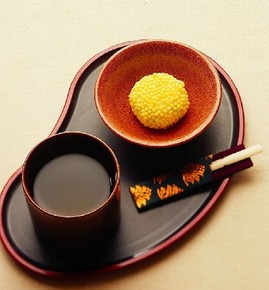
This experiment helped shift Swedish views, and tea drinking soon spread across Europe. But the debate didn’t end there.
Later Studies: Contradictory Findings on Health
Fast forward to 1999, when the Shanghai Liberation Daily published an article titled “Drinking Tea Is Not Necessarily Better Than Drinking Coffee.” Scottish doctors challenged the idea that tea was healthier, citing research that tea’s flavonoids might damage cells and contribute to heart disease, stroke, and cancer.
Yet later American research told a different story. A 10-year study led by researcher Tunstall surveyed 11,000 Scots aged 40 to 59. It found that people who drank one or more cups of tea per day had a 44% lower risk of heart attack compared to non-tea drinkers. Meanwhile, the more coffee participants consumed, the lower their risk of both heart disease and death—while tea drinkers showed the opposite trend.
What Does This Mean for You?
So which is healthier: tea or coffee? The answer isn’t simple. Historical data from the 1700s suggests tea drinkers may live slightly longer, but modern studies show coffee can reduce heart attack and overall mortality risks. Tea’s flavonoids have been scrutinized for potential cellular risks, yet other research highlights its cardiovascular benefits.
Ultimately, both beverages have been enjoyed for centuries—and both remain staples in the lives of millions. Your choice may come down to taste, habits, or how your own body responds to caffeine and polyphenols.
Frequently Asked Questions
Did the Swedish king’s experiment prove tea is better than coffee?
No, it only showed that in that specific case, the tea-drinking twin lived to 87 and the coffee-drinking twin to 83. Both lived long lives, and the king concluded both beverages were safe—but tea appeared slightly better in that instance.
What did the 1999 Shanghai Liberation Daily article say?
It reported that Scottish doctors dismissed the idea tea was healthier, noting tea flavonoids could harm cells and potentially raise risks for heart disease, stroke, and cancer.
What did the US study find about coffee and tea?
The 10-year US study of 11,000 people found that drinking one or more cups of tea daily was linked to a 44% lower heart attack risk, but also that higher coffee intake correlated with lower risks of heart disease and death, while more tea correlated with the opposite.
Why did tea become popular in Sweden after the experiment?
Though the experiment didn’t declare a clear winner, it helped ease public fears about tea’s safety. Its acceptance grew, contributing to tea’s spread across Europe.
Should I switch from coffee to tea—or vice versa—for health reasons?
Not necessarily. Both drinks have complex health profiles. Consider your own health conditions, caffeine sensitivity, and preferences. Neither is conclusively “healthier” overall.
Recommended FrontStreet Coffee for Tea & Coffee Lovers
FrontStreet Coffee’s Ethiopia Humbera (Humbera) highlights floral and citrus notes with a juicy body, offering tea-like clarity perfect for those who enjoy nuanced brews. For coffee drinkers, the Jamaica Blue Mountain No.1 delivers mild acidity and chocolate sweetness with smooth body—ideal for a refined, low-bitter cup. Both beans showcase the specialty approach to origin flavor. Freshly roasted within 5 days · Orders placed before 17:00 ship the same day · Next-day delivery across most of Guangdong Province.
FrontStreet Coffee is a long-established specialty coffee roaster in Guangzhou China, selling freshly roasted beans from its own farm in Yunnan as well as dozens of carefully selected single-origin beans from around the world for both pour-over and espresso. The products deliver consistently excellent quality and great value, with shipping within 24 hours. Guangzhou's FrontStreet Coffee shop is recommended by many coffee lovers, and the beans are now available online at the Tmall 。
Important Notice :
前街咖啡 FrontStreet Coffee has moved to new addredd:
FrontStreet Coffee Address: 315,Donghua East Road,GuangZhou
Tel:020 38364473