Is Boiler Water from Espresso Machines Safe to Drink?
If you own an espresso machine, you’ve likely used the built-in hot water spout for tea, warming cups, or even drinking—mainly for convenience. But have you thought about where that water comes from and what’s actually in it? That water comes from the machine’s boiler, which is kept hot 24/7 and often boiled repeatedly throughout the day. Is it really safe to drink or use for other purposes?
Quick answer: No, you should avoid regularly drinking or cooking with water from your espresso machine’s boiler. Repeated boiling can increase nitrate conversion to nitrites, which may cause oxygen deprivation and even form carcinogenic nitrosamines. Also, hard water leads to scale buildup that shortens machine life.
What Is Boiler Water in an Espresso Machine?
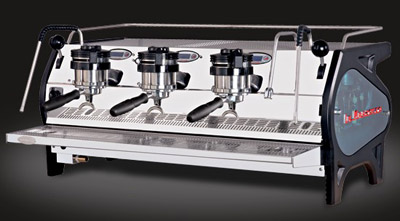
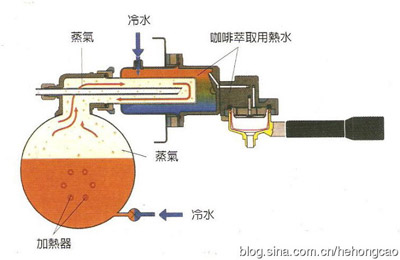
Most espresso machines—especially heat exchange and single-boiler models—have a dedicated hot water outlet. This tap draws water directly from the machine’s internal boiler, which is kept at a constant temperature (typically between 90–105°C / 194–221°F) to ensure fast espresso extraction and instant hot water availability. The boiler continuously maintains its heat, even when idle.
Because the system is always on standby, the water inside is regularly reheated to maintain temperature. Even if you’re not pulling shots or steaming milk, the boiler may cycle on dozens of times per day to keep the water hot. This means the same water is often boiled multiple times daily.
Why Reboiling Water Is a Health Concern
Reboiling water isn’t inherently dangerous, but when done repeatedly under the conditions found in an espresso machine boiler, it can lead to measurable changes in water chemistry. According to scientific studies, repeatedly boiling water can cause dissolved nitrates—common in tap water—to convert into nitrites. This chemical shift happens more readily with prolonged heat exposure and repeated boiling cycles.
Nitrites, once ingested, interact with hemoglobin in your blood, converting it to methemoglobin. This reduces the blood’s ability to carry oxygen, potentially causing symptoms such as:
- Shortness of breath
- Chest tightness
- Lips and nails turning blue or purple
- Chronic fatigue or drowsiness
In more severe cases, nitrites can form nitrosamines—compounds known to be carcinogenic—especially after interacting with stomach acids. While casual or rare use of boiler water is unlikely to pose immediate harm, regular consumption increases your exposure to these risks over time.
How Boiler Water Harms Your Espresso Machine
Beyond health concerns, using or relying on boiler water impacts your machine’s performance and lifespan, especially if you live in an area with hard water. Most municipal tap water contains calcium and magnesium ions—minerals that build up as limescale inside your machine’s boiler, pipes, and valves when repeatedly heated.
Hard water leads to:
- Scale deposits that clog valves and restrict water flow
- Reduced heating efficiency and higher energy use
- Possible breakdown of solenoids, pumps, and heating elements
- Shortened machine lifespan—often to just 3–5 years with poor water
With proper water filtration and regular descaling, machines can last 8–10 years or more. But without these measures, especially when boiler water is used frequently, mineral buildup accelerates, leading to costly repairs or premature replacement.
Additionally, pulling hot water from the boiler while brewing espresso can destabilize the machine’s thermal equilibrium. Most heat-exchange machines rely on a stable boiler temperature to maintain consistent shot temperatures. Using the hot water tap mid-session can cause temperature swings that degrade espresso extraction quality—leading to under- or over-extracted shots.
FAQ
Can I drink the hot water from my espresso machine?
No, it’s not recommended to drink boiler water regularly. Repeated boiling can increase nitrate-to-nitrite conversion, which may reduce oxygen transport in your blood and potentially form carcinogens. Occasional use is unlikely to harm you, but frequent drinking is not advisable for long-term health.
Is it safe to use boiler water for tea or making other drinks?
It’s better to avoid using boiler water for anything consumed regularly. The same risks of nitrite buildup and hard water contaminants apply. For tea or other hot beverages, use freshly boiled filtered water instead of water from the machine’s boiler.
How does hard water affect my espresso machine?
Hard water contains calcium and magnesium that form limescale when heated repeatedly. This scale builds up in the boiler, pipes, and valves, reducing efficiency, disrupting temperature stability, and eventually damaging components. Descaling and water softening are essential for machine longevity.
Does reboiling water create nitrosamines?
Repeated boiling can convert nitrates to nitrites, which may then form nitrosamines in the presence of stomach acid. While not guaranteed in every case, the risk increases with frequent and repeated boiling—such as in an always-on espresso machine boiler.
How often should I descale my espresso machine?
Descaling frequency depends on your water hardness, but most machines require descaling every 2–3 months with hard water, or every 3–6 months with softened or filtered water. Regular descaling prevents scale buildup and extends machine life.
Can using the hot water tap affect espresso shot quality?
Yes. On heat-exchange machines, drawing hot water from the boiler can temporarily destabilize the brew temperature, leading to inconsistent espresso extractions. For best results, avoid using the hot water function during or just before pulling shots.
Recommended FrontStreet Blends for Espresso Lovers
For those pulling shots from their espresso machines, FrontStreet Coffee offers several excellent blends. The Classic Blend delivers rich crema and a velvety mouthfeel, ideal for milk drinks like lattes and cappuccinos. The Black Cocoa Blend features bold flavors with deep cocoa notes, perfect for espresso purists. Both are designed for consistency and compatibility with home and commercial machines. Freshly roasted within 5 days · Orders placed before 17:00 ship the same day · Next-day delivery across most of Guangdong Province.
FrontStreet Coffee is a long-established specialty coffee roaster in Guangzhou China, selling freshly roasted beans from its own farm in Yunnan as well as dozens of carefully selected single-origin beans from around the world for both pour-over and espresso. The products deliver consistently excellent quality and great value, with shipping within 24 hours. Guangzhou's FrontStreet Coffee shop is recommended by many coffee lovers, and the beans are now available online at the Tmall 。
Important Notice :
前街咖啡 FrontStreet Coffee has moved to new addredd:
FrontStreet Coffee Address: 315,Donghua East Road,GuangZhou
Tel:020 38364473